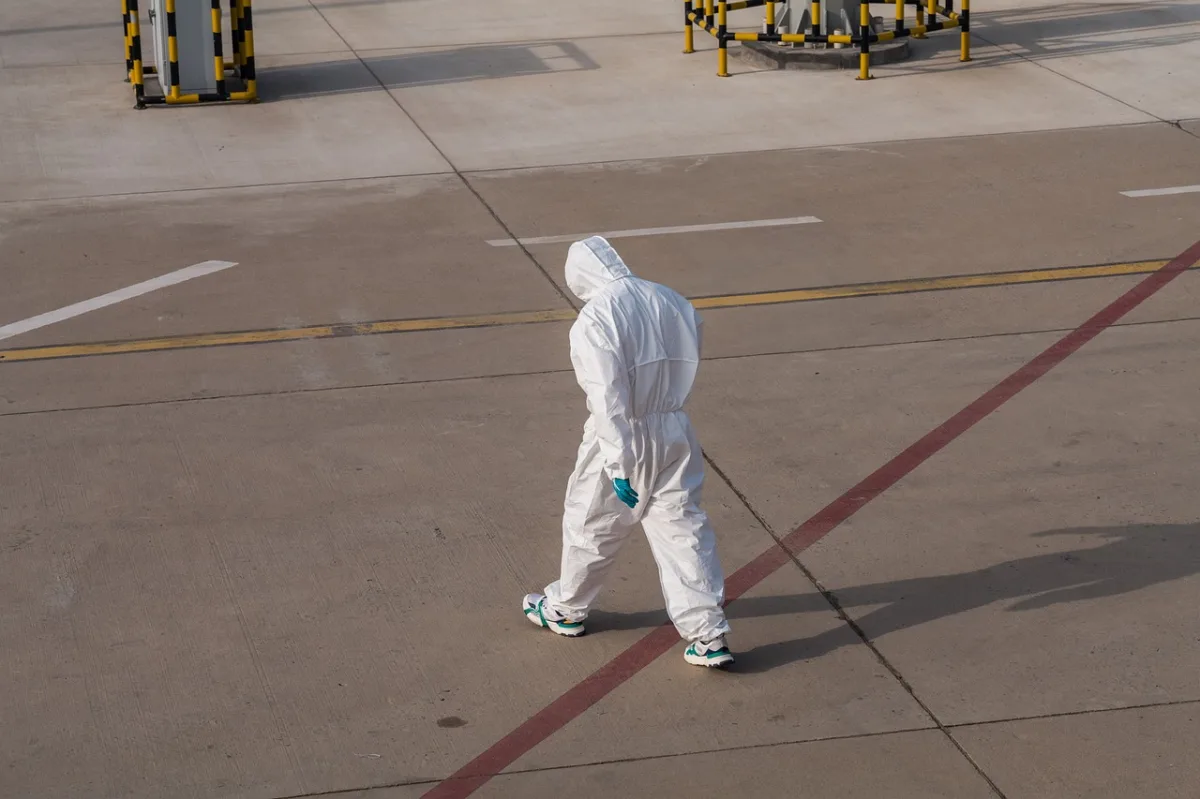







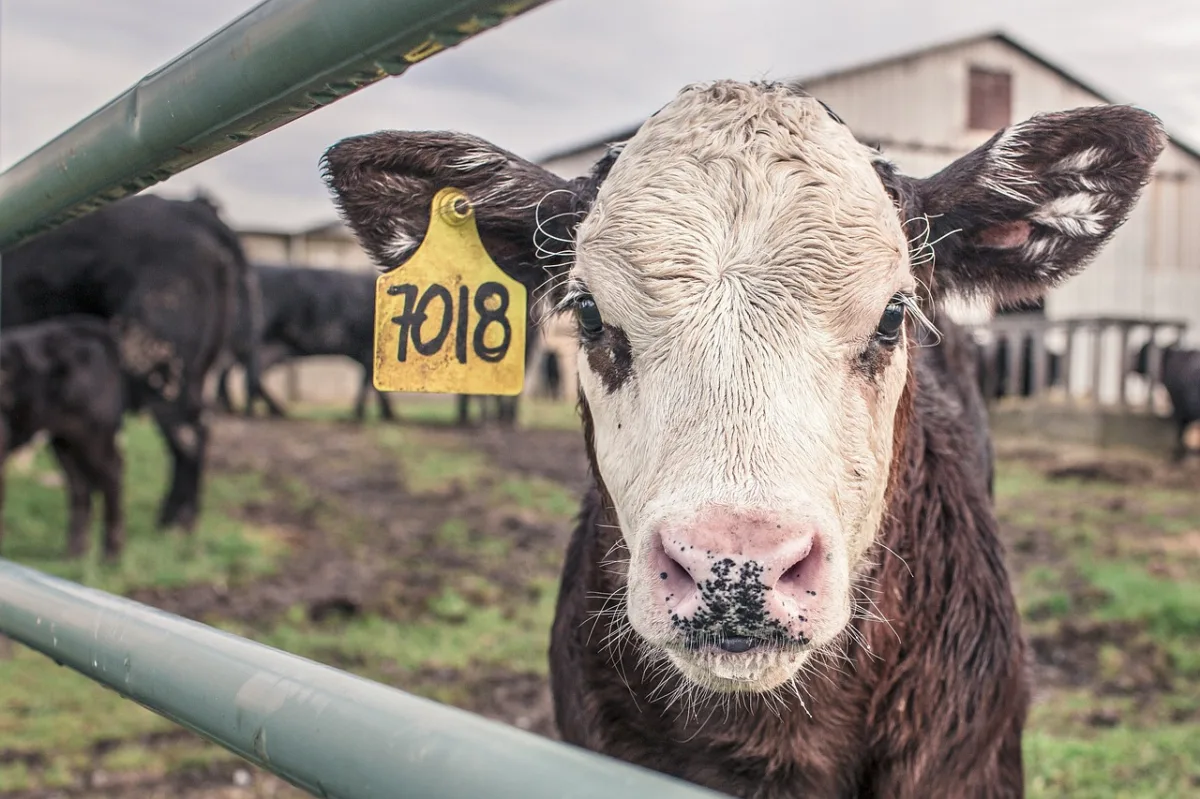
The U.S. Department of Agriculture (USDA) confirmed on Monday that two new cases of New World screwworm have been identified in Texas, affecting a calf and a dog located hundreds of miles apart. This discovery brings the total number of confirmed cases in the state to four, prompting heightened surveillance from federal and state agricultural authorities to prevent the spread of the debilitating parasite.
Understanding the New World Screwworm
The New World screwworm, scientifically known as Cochliomyia hominivorax, is the larval stage of a fly that feeds on the living tissue of warm-blooded animals, including livestock, wildlife, and occasionally humans. Unlike common blowflies that lay eggs on decaying carcasses, female screwworm flies are attracted to open wounds or mucous membranes, where they deposit hundreds of eggs.
Once hatched, the larvae burrow into the living flesh, causing deep, painful lesions that can lead to severe infection, tissue destruction, and, if left untreated, death. The parasite was officially eradicated from the United States in the early 1980s through a massive release of sterile male flies, a biological control method that disrupted the species’ reproductive cycle.
Scope of the Current Outbreak
State officials have not yet identified a single source for the recent infections, describing the cases as geographically dispersed. The distance between the affected animals suggests that the parasite may have been introduced via the transport of infected animals from areas where the screwworm remains endemic, such as parts of Central and South America.
The Texas Animal Health Commission has initiated emergency response protocols, which include increased inspections at livestock markets and the establishment of quarantine zones near the affected premises. Agricultural experts emphasize that early detection is the most effective defense against a widespread outbreak.
Expert Perspectives and Data
Veterinary entomologists warn that the screwworm poses a significant economic threat to the cattle industry. According to the USDA, a widespread infestation could cost the livestock sector hundreds of millions of dollars annually due to production losses, treatment costs, and trade restrictions.
“The primary concern is the rapid rate at which these larvae can consume tissue,” says Dr. Elena Rodriguez, a livestock health consultant. “Owners must inspect their animals daily for any signs of open wounds, particularly after dehorning, branding, or birthing, as these are primary entry points for the flies.”
Economic and Industry Implications
For the agricultural sector, these cases serve as a critical reminder of the fragility of disease-free status. Producers are being urged to report any suspected cases immediately to local veterinary authorities, as the parasite is considered a foreign animal disease that requires mandatory reporting.
Beyond the economic impact, the potential for zoonotic transmission remains a concern for pet owners and rural residents. While human cases are rare, they occur when individuals come into close contact with infested animals or environments where the flies are active. Public health officials are advising residents to maintain high standards of hygiene and to seek medical attention if they notice unusual skin lesions after working with livestock.
What to Watch Next
As the USDA continues its investigation, the focus will shift toward determining the origin of the flies and assessing the risk of localized environmental establishment. If the parasite manages to complete its life cycle in the Texas climate, the strategy may shift from containment to broader sterile insect releases. Stakeholders should monitor official updates from the Texas Animal Health Commission regarding quarantine expansions and mandatory testing requirements for interstate livestock movement over the coming weeks.