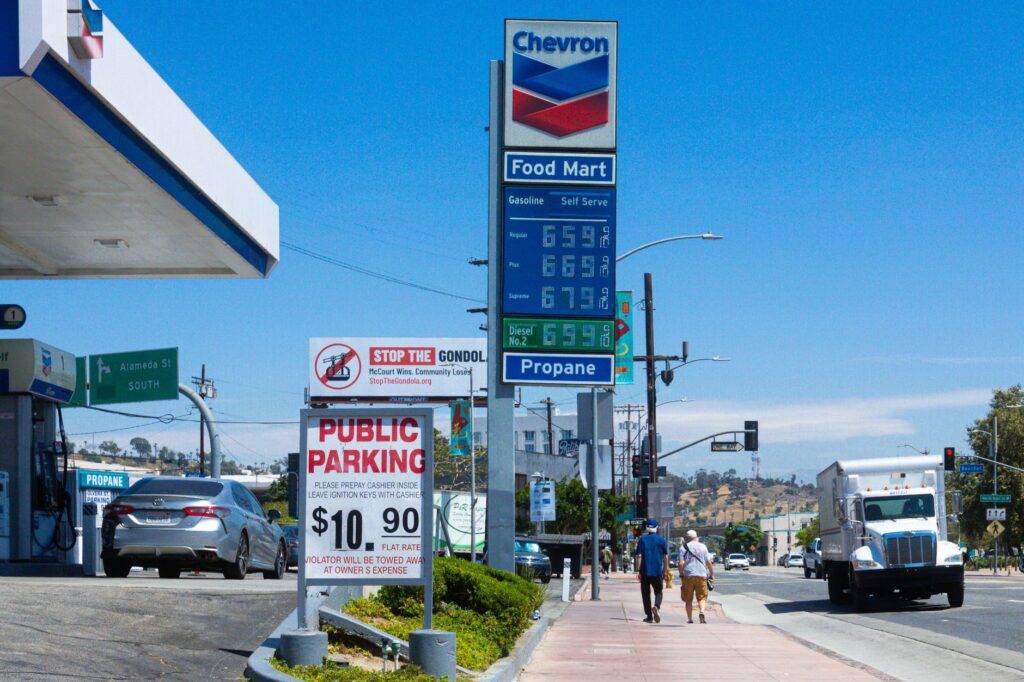

Recent economic data reveals that regular fuel prices across the United States have experienced a consistent downward trend over the past six weeks. Motorists have welcomed this relief at the pump after months of market volatility. However, despite these consecutive weeks of price reductions, individuals planning holiday road trips may still face unprecedented expenses. Thanksgiving travel expenses could ultimately hit record levels this year as underlying economic pressures persist across the transportation sector.
Understanding the Six Week Price Decline
The recent relief for everyday drivers comes after a prolonged period of elevated pump prices. Energy analysts note that supply chains have stabilized somewhat, and seasonal demand has tapered off following the peak summer driving months. This transition naturally drives regular retail rates lower. For six consecutive weeks, consumers have watched per-gallon averages tick downward, offering a much-needed break for household budgets that have been stretched thin by general cost-of-living increases.
Why Thanksgiving Fuel Costs Remain a Concern
Even though regular gasoline is cheaper today than it was two months ago, the upcoming holiday travel window presents a complex financial picture. Holiday getaways involve more than just passenger vehicles. Commercial freight, delivery networks, and public transportation rely heavily on diesel fuel, which has not seen the same rate of relief as retail gasoline. Elevated diesel prices ripple through the broader economy, driving up the costs of goods, services, and logistics that indirectly impact overall travel expenses.
Inflation and Broader Economic Pressures
Persistent inflation continues to cast a shadow over consumer spending power. While the downward trajectory of gasoline prices is a positive signal, other travel-related expenses remain historically high. Lodging, dining out, and vehicle maintenance have all absorbed inflationary pressures over the past year. Consequently, even if a driver saves a few dollars filling up the tank, the cumulative cost of a holiday vacation remains significantly higher than in previous years.
Impact on Holiday Travelers and Road Trips
Millions of Americans traditionally take to the highways to celebrate the holiday with family and friends. The six-week drop in pump prices may encourage more people to choose driving over flying, given the well-documented challenges and high costs associated with commercial air travel. Yet, motorists must budget carefully. Higher baseline costs for accommodation and food mean that total trip expenditures could still establish a new benchmark for the holiday period.
Looking Ahead at Energy Markets
Energy market observers continue to monitor global crude oil supplies, geopolitical developments, and domestic refining capacities. While short-term retail trends point downward, energy commodities remain inherently unpredictable. Disruptions in production or sudden shifts in winter weather demand could reverse the recent gains at any moment. For now, consumers are advised to enjoy the current price relief while keeping a close eye on their overall holiday spending budgets.
Conclusion
In summary, the six-week slide in retail fuel prices provides genuine welcome relief for American drivers. Yet, the broader financial reality of holiday travel cannot be ignored. With stubbornly high diesel rates and pervasive inflation driving up ancillary travel costs, Thanksgiving fuel and trip expenses may still culminate in record-breaking totals. Planning ahead and monitoring local pump rates remain the best strategies for travelers navigating this complex economic landscape.