









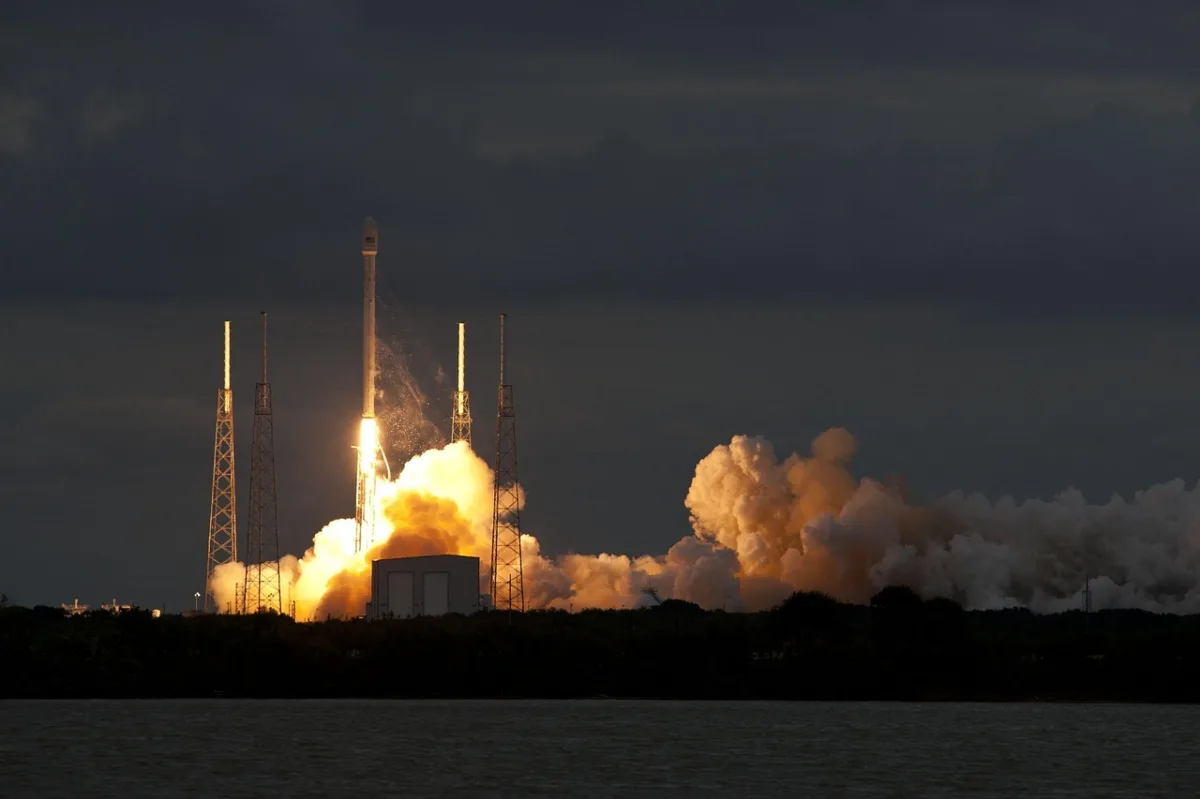
Iranian state media released footage Tuesday showing a coordinated launch of ballistic missiles directed at Israel, marking a significant escalation in the ongoing conflict between the two nations. The strike occurred in the evening hours, triggering air raid sirens across major Israeli cities, including Tel Aviv and Jerusalem, as the military urged citizens to seek immediate shelter.
Context of the Escalation
The missile barrage follows months of heightened friction between Tehran and Jerusalem, largely fueled by the broader regional instability involving proxy groups and recent high-profile assassinations. Iran has consistently signaled its intent to retaliate against Israeli military actions, particularly those targeting its interests in neighboring countries.
This latest development represents a direct confrontation, moving beyond the shadow warfare that has characterized the relationship for decades. Analysts note that the use of ballistic missiles indicates a shift in Iranian tactics, moving away from drone-heavy operations toward more sophisticated, long-range weaponry capable of reaching Israeli territory in minutes.
Military and Strategic Implications
Israel’s defensive apparatus, primarily the Iron Dome and the Arrow interceptor systems, was activated immediately upon the detection of incoming projectiles. The Israeli Defense Forces (IDF) confirmed that a large number of missiles were tracked and intercepted, though the full extent of the damage remains under assessment by emergency services.
Security experts suggest that the timing of this attack is calculated to maximize psychological impact while testing the limits of Israel’s multi-layered missile defense network. By broadcasting the launch footage, Tehran aims to project strength to both domestic audiences and regional allies, framing the attack as a necessary response to recent Israeli operations.
Global and Regional Reactions
International leaders have expressed urgent concern over the developments, with the United Nations calling for immediate de-escalation to prevent a wider regional war. Major powers are currently assessing the impact of the attack on global energy markets and diplomatic stability, as the risk of a retaliatory strike from Israel remains high.
Defense analysts emphasize that the regional architecture is currently at a breaking point, where a single miscalculation could trigger a sustained military conflict. The involvement of various regional actors, who serve as proxies for both sides, adds a layer of complexity that makes a diplomatic resolution increasingly difficult to achieve in the short term.
Future Outlook
Observers are now closely monitoring the Israeli government’s response, which is expected to be decisive given the scale of the missile launch. The primary focus for the coming days will be on whether Israel chooses to conduct a direct counter-attack on Iranian soil or focuses on neutralizing specific threats from regional proxies.
The industry will also be watching for potential disruptions to maritime shipping lanes and oil supply chains, which are highly sensitive to conflict in the Middle East. As diplomatic channels struggle to contain the situation, the immediate priority for global security agencies is preventing this confrontation from spiraling into a broader, uncontrollable regional war.