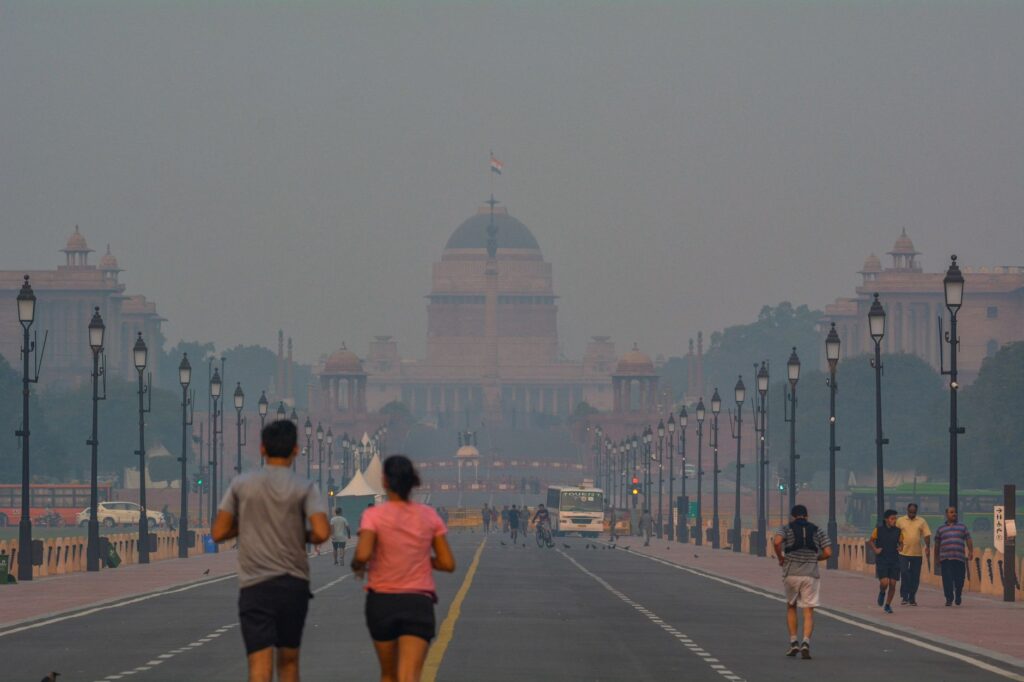

Background on Delhi Air Quality Monitoring
Air quality monitoring stations in the national capital experienced notable reporting gaps during peak celebration hours. Concerns arose when multiple monitoring units stopped transmitting live data as pollution levels began to spike drastically across the metropolitan region.
Release of the Withheld Statistics
Official records covering the festive night have now been made public, revealing extreme concentrations of particulate matter. The delayed figures indicate that fine particulate pollution reached unprecedented heights, posing severe health risks to residents across the urban area.
Comparing Readings to National Standards
When evaluated against established safety thresholds, the recorded particulate matter concentrations exceeded permissible limits by a staggering margin. Specifically, PM2.5 levels surpassed the national standard by more than sixty times during the peak hours of the evening.
Implications for Public Health
Such extreme elevations in fine particulate matter represent a critical hazard for public health, particularly affecting vulnerable populations including children, the elderly, and individuals with preexisting respiratory conditions. Health experts continue to advise caution during periods of severe atmospheric degradation.