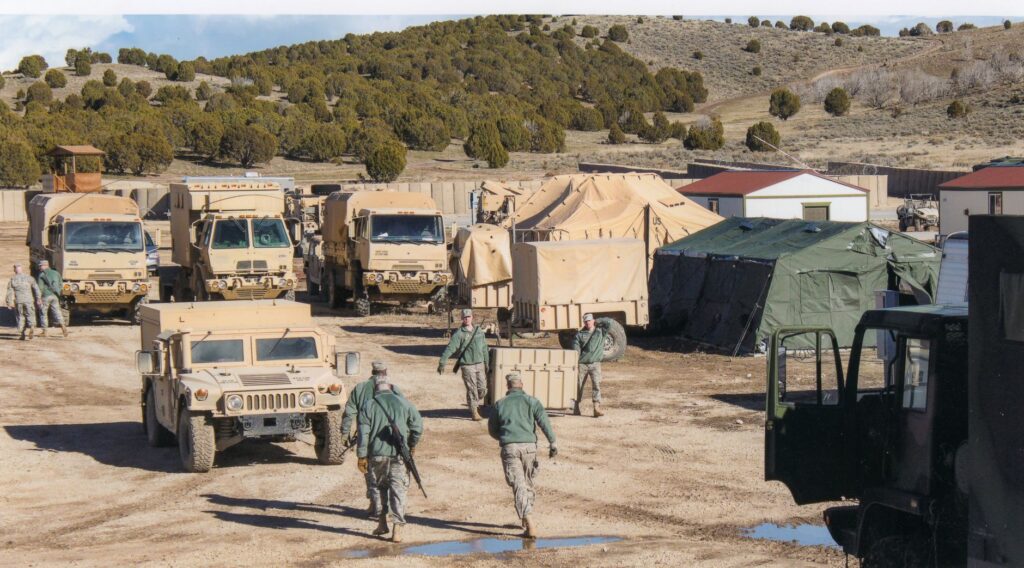

Maryland Governor Wes Moore is currently facing intense political examination following recent statements made by a retired military supervisor regarding his service record. The controversy centers on the nature of his deployment to Afghanistan and the specific responsibilities he held while serving in the armed forces.
Background of the Military Service Claims
During his public career, Governor Moore has frequently referenced his time in the military as a formative experience that shaped his leadership style. His service record includes a deployment to Afghanistan, a detail that has often been highlighted in biographical materials and campaign profiles.
However, this narrative has recently been challenged by retired Lieutenant Colonel James Gottschling. According to the retired officer, who served as a supervisor during the deployment in question, the governor did not personally lead troops into combat situations as some public accounts might imply.
Implications for the Administration
The dispute over military service records carries significant weight in American politics, where a background in the armed forces is often viewed as a strong credential for executive leadership. Questions regarding the precise wording of military duties can quickly become a central point of discussion for voters and political analysts alike.
As the story continues to develop, political observers are waiting to see how the governor and his communication team will address the discrepancy. Transparency regarding military records remains a critical issue for elected officials who base part of their public appeal on their service history.
Public Reaction and Future Outlook
Reactions from constituents and political figures vary as more details emerge from the retired supervisor’s statements. Some argue that administrative roles during a deployment are just as vital as frontline combat leadership, while others emphasize the importance of exact precision when describing military achievements.
Moving forward, this scrutiny is likely to remain a talking point in state politics. The governor’s office will need to navigate these questions carefully to maintain public trust and keep the focus on current policy initiatives rather than past military designations.