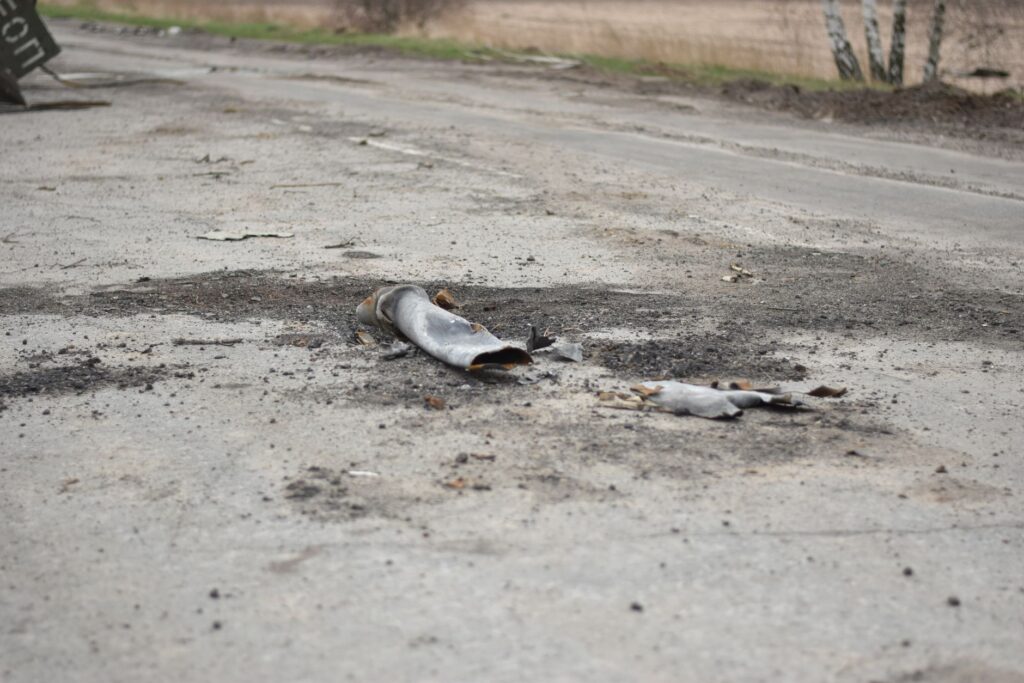

International tensions on the Korean Peninsula have escalated following a diplomatic clash between Pyongyang and the United Nations leadership. The controversy centers on a recent landmine explosion within the Demilitarized Zone that resulted in injuries to South Korean military personnel. Seoul has formally pointed the finger at its northern neighbor for the incident, while Pyongyang continues to reject any involvement or accountability for the event.
Background of the Border Incident
The Demilitarized Zone remains one of the most heavily fortified borders globally, separating the two rival nations. The recent landmine blast shattered a period of relative calm in the region, instantly raising security alarms in Seoul. South Korean military authorities conducted an immediate assessment and asserted that the explosive devices were newly laid by northern forces. This conclusion quickly transformed from a localized tactical issue into a broader geopolitical flashpoint involving neighboring governments and international observers.
Denial and Counter-Accusations
Pyongyang firmly rejected the findings presented by Seoul, characterizing the accusations as a deliberate fabrication designed to stoke hostility. North Korean officials argued that the allegations serve political agendas rather than factual reality. By maintaining a stance of complete denial, the northern leadership sought to deflect international pressure and shift the narrative surrounding the border security breach.
The United Nations Response
The diplomatic fallout widened when the United Nations leadership addressed the situation at the border. International bodies often step in during severe escalations on the peninsula to urge restraint and promote dialogue. However, statements and positions adopted by global officials regarding the landmine incident drew sharp criticism from Pyongyang, which perceived a distinct lack of neutrality in handling the volatile border dispute.
Accusations of Bias
In response to the international stance, a prominent member of the North Korean leadership issued a scathing rebuke directed at the United Nations Secretary-General. The critique accused the UN chief of abandoning impartiality and effectively aligning with the geopolitical interests of Seoul and its allies. According to the northern perspective, endorsing South Korea’s version of events undermines the credibility of the international organization as a neutral mediator in the long-standing regional conflict.
Implications for Regional Stability
This verbal escalation underscores the fragility of security arrangements along the heavily armed border. With mutual trust at a low point, diplomatic channels face severe strains. The public sparring between Pyongyang and global organizations highlights the immense difficulty of managing crises on the peninsula, where minor tactical incidents can rapidly cascade into major international diplomatic disputes. As both sides hold firm to their opposing narratives, the prospect for collaborative investigations or de-escalation measures appears increasingly remote.