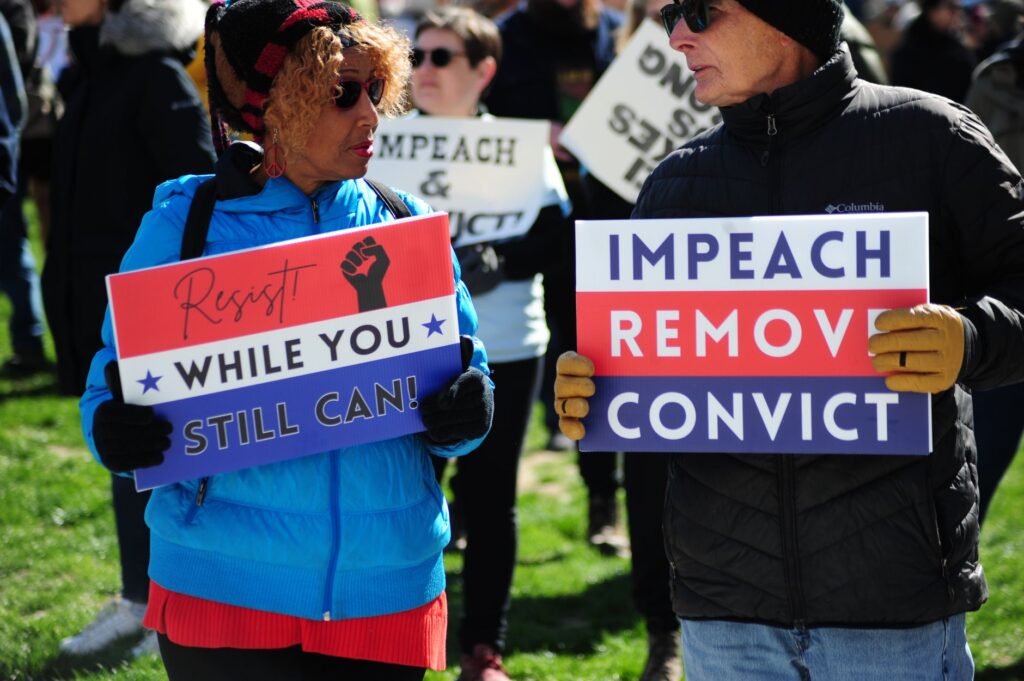

Legislative Proceedings in the House
The United States House of Representatives is moving forward with critical legislative procedures regarding the administration. Lawmakers are gathering to address pressing political actions that have drawn national attention. The political landscape in Washington remains dynamic as representatives weigh decisions on high-ranking officials.
Defense Secretary Pete Hegseth Under Scrutiny
At the center of current legislative discussions is Defense Secretary Pete Hegseth. The official faces significant political challenges as opposition figures push for formal accountability measures. The unfolding developments highlight ongoing tensions between executive branch leadership and members of the legislative branch.
Role of Congressman Thomas Massie
Representative Thomas Massie has provided key insights into the scheduling and procedural steps within the chamber. According to his recent statements, the legislative agenda requires specific preliminary actions before addressing the primary matter. Lawmakers must first consider a motion designed to halt the impeachment resolution.
Procedural Steps and Initial Motions
Before any final determinations regarding the impeachment resolution can occur, parliamentary rules dictate a specific sequence of events. The House will initially focus its attention on a motion intended to stop the resolution entirely. This procedural vote serves as a critical checkpoint for the future of the measure.
Broader Political Implications
Actions taken within the House carry substantial weight for the current administration and the Department of Defense. As representatives cast their votes on these motions, the political repercussions extend far beyond Capitol Hill. Observers across the nation continue to monitor the proceedings closely to understand how legislative priorities will shape national governance in the coming days.