








Rising Tensions Over Electric Bus Operations
Employee unions representing the Andhra Pradesh State Road Transport Corporation (APSRTC) have issued a formal ultimatum this week, threatening a statewide strike to protest the government’s proposed privatization of electric bus services. Joint Action Committee (JAC) convenors claim that state authorities intend to lease not only the new electric bus fleet but also existing government-owned bus depots to private operators, a move they argue undermines the public nature of the transit system.
The Context of Public-Private Partnerships
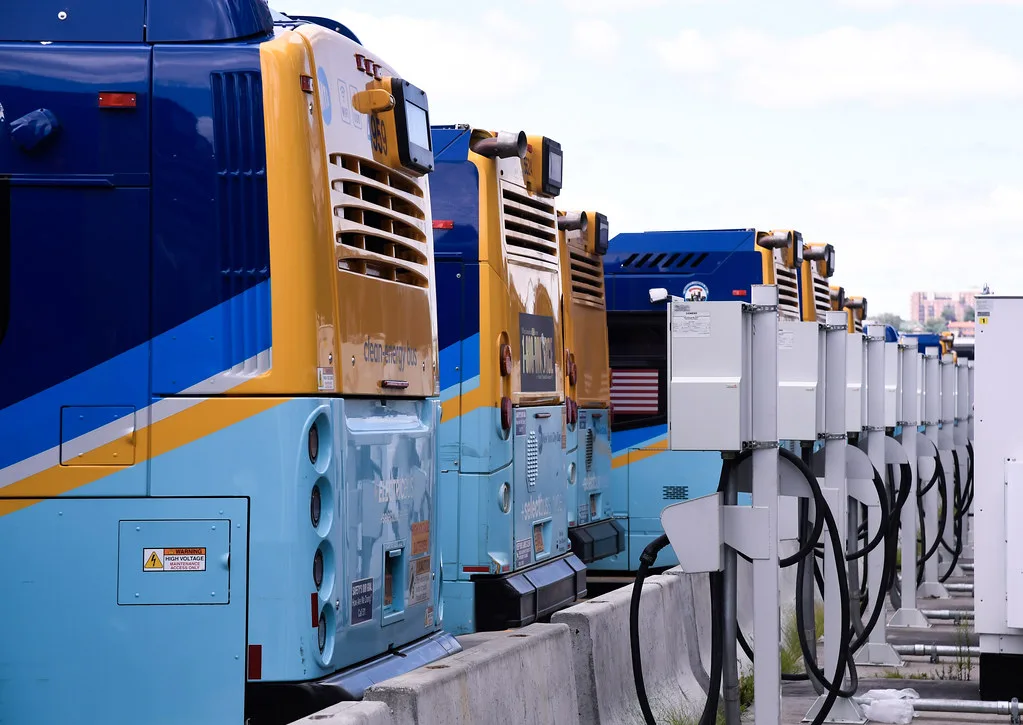
The conflict stems from the state government’s aggressive push to modernize public transport through the adoption of Electric Vehicles (EVs). To manage the transition, officials have increasingly relied on the Gross Cost Contract (GCC) model, where private entities provide the vehicles and maintenance while the corporation handles operations.
While the government maintains that this model is necessary to reduce the massive capital expenditure required for electrification, employees view the shift as a systematic dismantling of state-run infrastructure. Union leaders argue that outsourcing depot operations effectively hands control of essential public assets to private stakeholders, threatening job security and long-term service stability.
Differing Perspectives on Efficiency
Government officials have defended the move, citing the need for fiscal sustainability. According to data from the Union Ministry of Road Transport and Highways, the transition to EVs is projected to lower operational fuel costs by approximately 30% compared to traditional diesel fleets.
However, union representatives challenge the long-term viability of these partnerships. JAC leaders point to recent reports from the All India Trade Union Congress, which suggest that private operators often prioritize profit margins over service routes in less lucrative, rural areas. Labor unions assert that the privatization of depots will result in the loss of thousands of direct government jobs and erode the standardized safety protocols established over decades of state management.
Industry Implications and Labor Relations
For the average commuter, the standoff represents a significant risk of service disruption. If the JAC moves forward with their threat of a statewide stir, thousands of daily passengers across Andhra Pradesh could face immediate transit gridlock.
Beyond the immediate threat of a strike, this dispute highlights a growing friction point in the national infrastructure sector. As states across India race to meet ambitious carbon-neutrality targets, the conflict between rapid modernization and labor-heavy public sector stability is expected to intensify.
The Road Ahead
Stakeholders are now watching for a potential reconciliation meeting between the transport ministry and union leadership. Observers note that the outcome of these negotiations could set a precedent for how other states manage the privatization of electric public transport infrastructure in the coming decade.
The critical factor to watch in the coming weeks is whether the government will offer guarantees regarding depot ownership and employee absorption. Should talks fail, the scale of the proposed strike could fundamentally alter the timeline for the state’s EV rollout strategy.