








Logistical Precision for National Testing
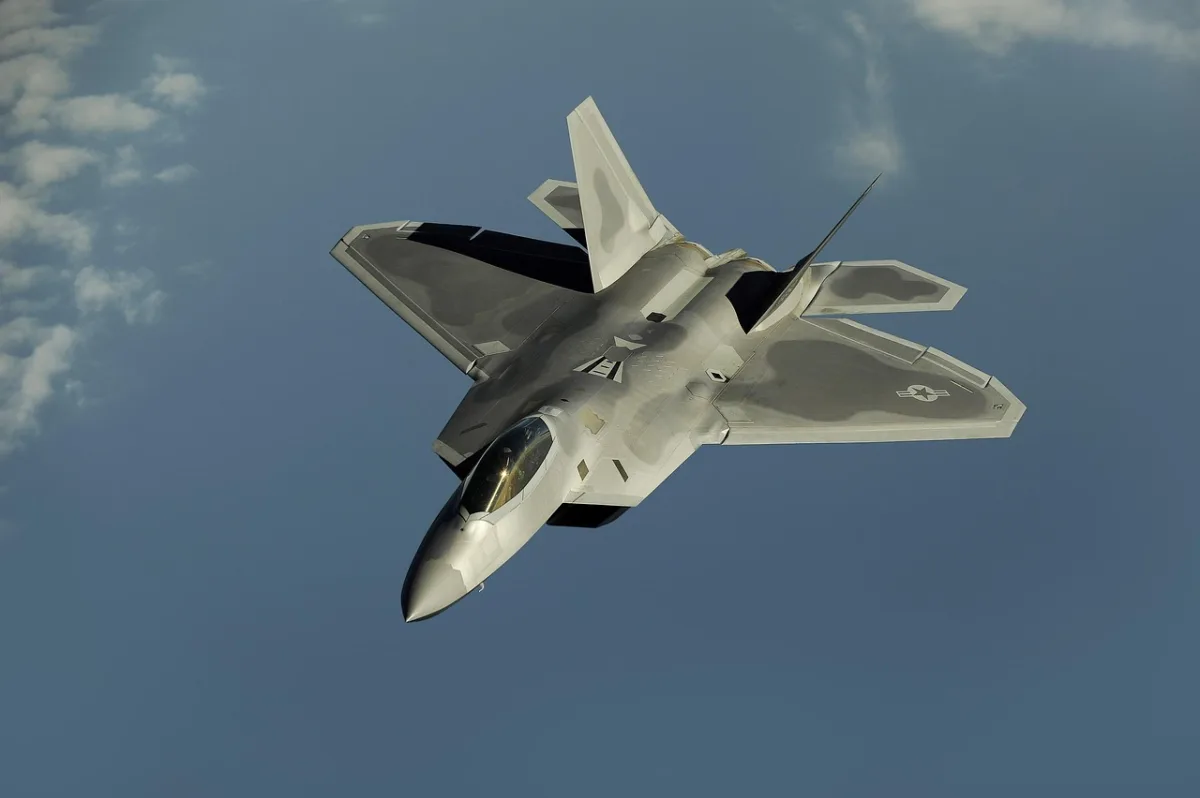
The Indian Air Force (IAF) has been mobilized to airlift sensitive examination materials for the NEET-UG retest, scheduled for June 23, 2024, across 18 designated centers. This extraordinary measure, coordinated by the National Testing Agency (NTA) and the Ministry of Education, aims to ensure the secure and timely delivery of question papers to remote or logistically challenging locations. The operation underscores the government’s commitment to maintaining the integrity of the medical entrance examination following reports of irregularities in the initial May 5 test.
Context of the NEET-UG Controversy
The NEET-UG (National Eligibility-cum-Entrance Test for Undergraduate) is the primary gateway for admission to undergraduate medical programs in India. In June 2024, the NTA announced a re-examination for 1,563 candidates who had initially been awarded ‘grace marks’ due to time lost at certain centers. The controversy surrounding these marks, coupled with allegations of paper leaks and procedural lapses, led to widespread protests from student organizations and political parties. The Supreme Court of India has been actively monitoring the petitions, pressuring the government to provide transparency and ensure a level playing field for all aspirants.
Operational Strategy and Security
The decision to employ the Indian Air Force highlights the high-stakes nature of the retest process. By utilizing military aviation, the NTA minimizes the risk of tampering, theft, or transit delays that could compromise the confidentiality of the exam papers. Security protocols remain stringent; the papers are packed in tamper-proof containers and will be handled by a select team of officials under heavy guard. This logistical framework is designed to eliminate potential points of failure that existed in the previous testing cycle.
Expert Perspectives on Examination Integrity
Education policy experts have noted that while the deployment of the IAF is a logistical triumph, it reflects deeper systemic issues within the national testing infrastructure. Professor Anjali Rao, an expert in educational assessment, stated, “While military-grade logistics can secure the physical paper, the digital and procedural vulnerabilities of the NTA need a comprehensive audit to restore long-term public trust.” Data from the NTA shows that over 2.4 million students appeared for the initial exam, making it one of the largest competitive tests globally. Analysts argue that the sheer scale of the operation often outpaces the existing administrative capacity of the testing body.
Industry and Student Implications
For the 1,563 students affected by the retest, the stress of the situation has been immense, leading to calls for a more robust grievance redressal system. The involvement of the IAF sets a new precedent for how the state handles critical educational infrastructure in times of crisis. Industry observers suggest that this level of intervention may become the standard for high-security exams if confidence in the NTA’s standard operating procedures is not fully restored. Future developments will focus on whether the Supreme Court mandates a total overhaul of the NTA’s testing protocols or if the current measures will suffice to appease stakeholders.
What to Watch Next
All eyes are now on the June 23 retest and the subsequent release of results, which will determine the timeline for the centralized counseling process. Observers will be watching for any further directives from the Supreme Court regarding a potential CBI investigation into the alleged paper leaks. Additionally, the Ministry of Education is expected to form a high-level committee to review the NTA’s management structure, with findings likely to be presented before the next parliamentary session.