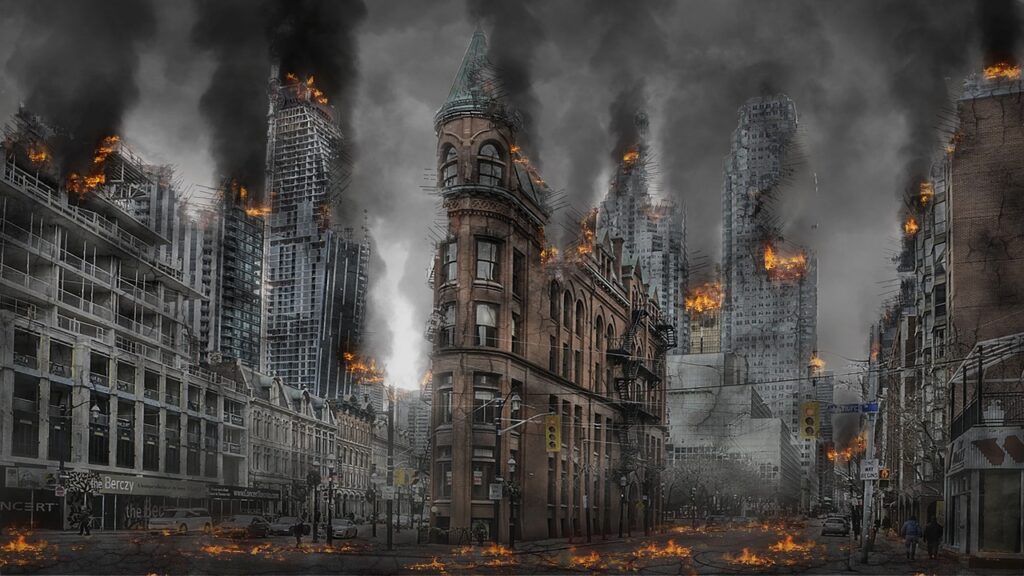

The Trump administration is prepared to postpone the upcoming World Cup final in the United States if Canadian wildfire smoke poses a health risk to players and spectators, U.S. Ambassador to Canada Pete Hoekstra confirmed today. The high-stakes decision comes as environmental officials monitor deteriorating air quality ahead of the highly anticipated championship match between Spain and Argentina. Hoekstra revealed that active discussions are currently taking place with FIFA officials to establish safety thresholds for the event.
A Historic Match Threatened by Environmental Crisis
The potential postponement introduces unprecedented logistical challenges for FIFA and the host cities. The final, featuring soccer giants Spain and Argentina, is projected to draw hundreds of thousands of international visitors and billions of global television viewers. However, persistent wildfires in Canada have sent massive plumes of particulate matter southward, casting a haze over major North American metropolitan areas and raising public health alarms.
Diplomatic and sports officials are now forced to balance the immense economic momentum of the tournament against the physical well-being of elite athletes. Ambassador Hoekstra emphasized that President Donald Trump will not hesitate to prioritize public health over scheduling commitments. The announcement marks the first time a U.S. administration has openly contemplated delaying a major global sporting final due to climate-driven air quality issues.
Ongoing Talks with FIFA and Health Officials
According to Ambassador Hoekstra, federal agencies are collaborating with FIFA’s medical committee to monitor the Air Quality Index (AQI) in real-time. “We are in constant communication with FIFA leadership,” Hoekstra stated during a press briefing. “Our primary goal is to ensure the safety of the players on the pitch and the fans in the stands, and we are evaluating all contingencies, including a temporary delay of the kickoff.”
The diplomatic dimensions of the crisis are equally complex. Because the tournament is co-hosted across North America, decisions made by the U.S. government directly impact the logistical operations in Canada and Mexico. Ambassador Hoekstra noted that Canadian authorities are working diligently to contain the blazes, but the sheer scale of the fires limits immediate mitigation efforts, leaving organizers at the mercy of seasonal wind currents.
FIFA guidelines state that match play can be suspended or rescheduled under extreme weather conditions, but the organization has rarely faced a disruption of this scale for a final. The governing body’s medical regulations recommend caution when the AQI exceeds 150, a level deemed unhealthy for the general public and highly hazardous for athletes performing high-intensity aerobic exercise. During recent wildfire events, AQI levels in several East Coast and Midwestern cities surged past 200, entering the “very unhealthy” category.
The Science of Smoke and Athletic Performance
Medical experts warn that exposure to fine particulate matter, known as PM2.5, can severely impact respiratory function and cardiovascular health. Dr. Elena Rostova, a sports pulmonologist at the National Sports Medicine Institute, noted that soccer players inhale up to ten times more air during a match than sedentary individuals. “Breathing in high concentrations of wildfire smoke during maximum exertion can cause acute bronchospasms, reduced lung capacity, and long-term respiratory inflammation,” Rostova explained.
Both the Spanish and Argentine football federations have reportedly expressed concern over the lack of clear contingency plans. Sources close to the Argentine camp suggest that training sessions have already been modified to indoor facilities in response to local haze. Representatives from Spain’s team have called for transparent, hourly air monitoring reports leading up to match day, emphasizing that player safety must remain paramount over commercial interests.</p
The environmental impact of Canadian wildfires has become an unpredictable variable for outdoor events across North America. Data from the Canadian Interagency Forest Fire Centre indicates that millions of hectares have burned this season, driven by prolonged droughts and above-average temperatures. Meteorologists warn that shifting wind patterns can rapidly transport dense smoke plumes thousands of miles, making long-term forecasting for specific match days exceptionally difficult.
Economic and Logistical Fallout of a Delay
The financial implications of postponing a World Cup final are staggering. Broadcast networks, sponsors, and local hospitality industries have invested billions of dollars based on a strict tournament timeline. A delay would disrupt global television programming schedules, extend security and stadium staffing contracts, and force thousands of traveling fans to alter flights and hotel reservations.
Sports economists estimate that a single day’s delay could result in tens of millions of dollars in compensatory costs and lost revenue. Despite these financial risks, legal experts suggest that liability concerns may ultimately dictate the outcome. If federal or local health authorities issue official air quality warnings, FIFA could face significant legal exposure if they compel athletes to compete in hazardous conditions.
What to Watch Next
As the countdown to the final continues, meteorologists are closely tracking atmospheric pressure systems that could either disperse the smoke or trap it over the stadium. FIFA is expected to release an official protocol detailing the exact AQI threshold that would trigger an automatic postponement. Observers are also watching for potential joint statements from the U.S., Canadian, and Mexican governments regarding coordinated environmental monitoring for future cross-border sporting events.
This situation highlights a growing challenge for global sports organizations as extreme weather events increasingly disrupt traditional scheduling. The decision made in the coming days will likely set a precedent for how future mega-events, including the Olympic Games and continental championships, adapt to the realities of a changing global climate.