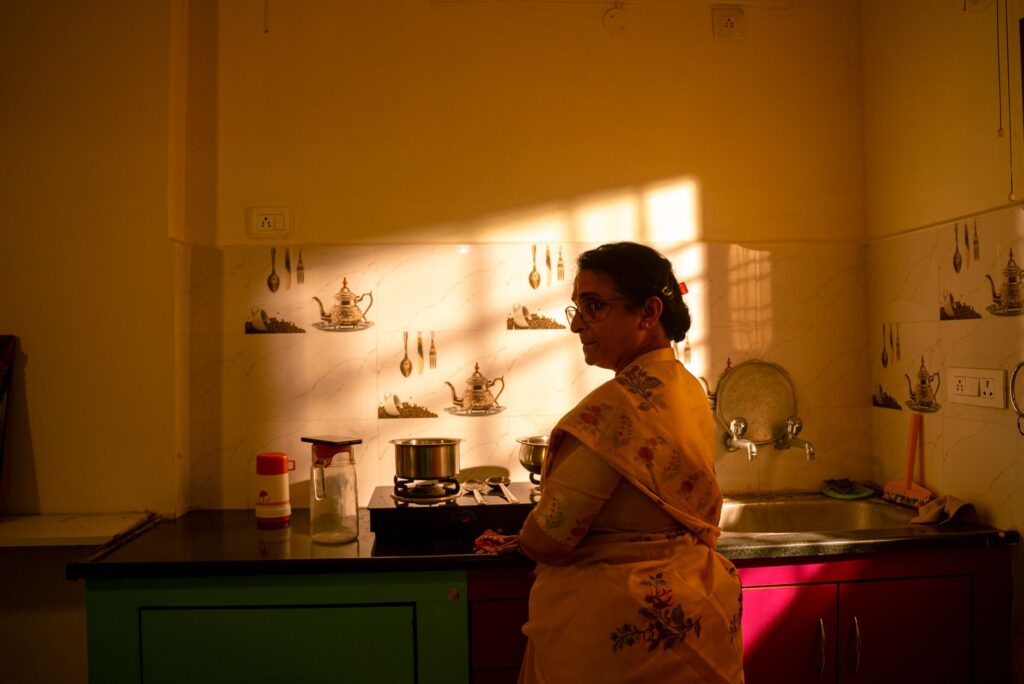

The invisible labor of homemakers has long been a subject of social discussion, drawing attention from prominent public figures who seek to highlight the silent sacrifices made within households. Recently, a well-known business leader and television personality addressed this dynamic by drawing a compelling historical and literary parallel.
Drawing Parallels with Ancient Mythology
During a public interaction, the prominent corporate leader spoke about the traditional expectations placed on women who manage households. To articulate the weight of unacknowledged sacrifices, she referenced the epic tale of the Ramayana and specifically focused on the character of Urmila. While major characters often command the primary narrative, figures like Urmila endured long periods of separation and hardship largely in silence.
The speaker noted that homemakers often mirror this historical archetype by dedicating their entire lives to the well-being of their families without seeking personal recognition or reward. This dedication, while noble, frequently leads to self-neglect and a systemic failure of society to value domestic labor appropriately.
The Call for Personal Advocacy
Moving beyond the literary comparison, the business personality issued a direct and empowering message to women managing homes. She urged them to break the cycle of silent endurance and actively advocate for their own needs, desires, and mental well-being.
According to her perspective, waiting for others to notice personal sacrifices is rarely effective. Instead, individuals must take the initiative to speak up, express their boundaries, and claim their space within the family structure. Self-advocacy is presented not as an act of selfishness, but as a necessary component of personal dignity and mutual respect.
Redefining Household Dynamics
The conversation emphasizes a broader cultural shift toward recognizing domestic contributions as vital labor. By encouraging homemakers to voice their opinions, leaders hope to inspire a generational change where emotional and physical labor within families is shared more equitably.
Ultimately, the comparison serves as a reminder that history and mythology are filled with figures whose quiet resilience deserves acknowledgment, but contemporary society must move toward open communication and shared responsibility within every home.