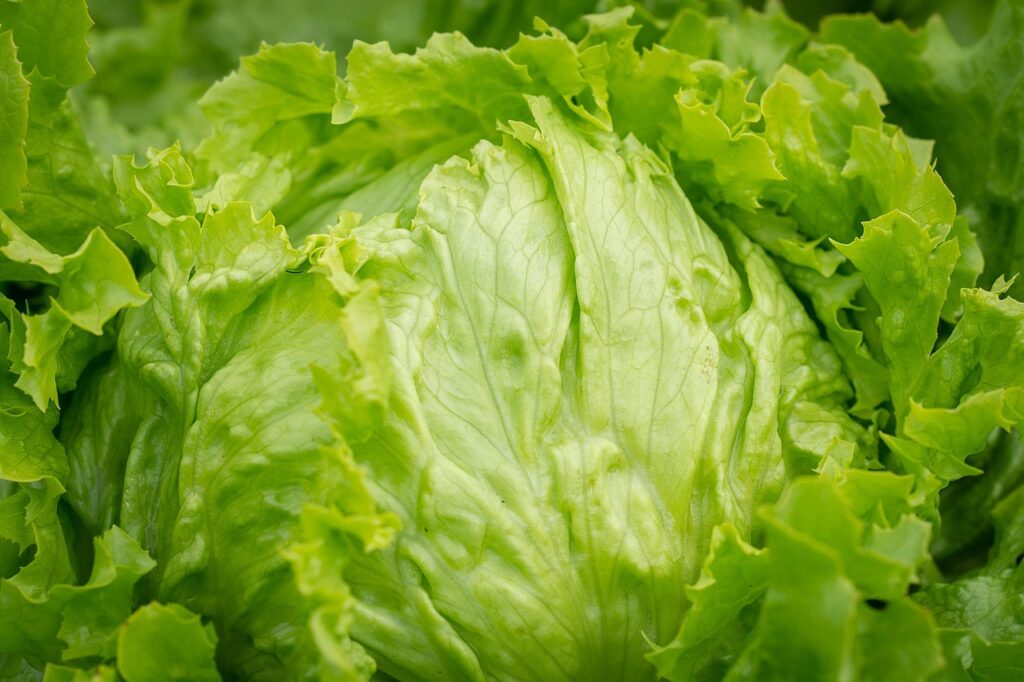

In response to a growing multi-state outbreak of cyclosporiasis, agricultural giant Taylor Farms voluntarily withdrew specific shipments of its iceberg lettuce from the market this week after federal health officials linked the produce to a cluster of parasitic infections. The California-based producer took swift action following investigations by the U.S. Food and Drug Administration (FDA) and the Centers for Disease Control and Prevention (CDC), which traced several illnesses back to bulk iceberg lettuce distributed to institutional foodservice customers.
Understanding Cyclosporiasis and the Scope of the Contamination
Cyclosporiasis is an intestinal illness caused by the microscopic parasite Cyclospora cayetanensis. People typically contract the infection by consuming food or water contaminated with feces containing the parasite. According to the CDC, symptoms include watery diarrhea, severe abdominal cramping, bloating, nausea, and fatigue, which can persist for weeks or months if left untreated with specific antibiotics.
Historically, Cyclospora outbreaks in the United States peak during the spring and summer months, often associated with imported fresh produce. However, domestic outbreaks have increasingly prompted rigorous tracking by agricultural authorities. In this latest incident, public health investigators utilized epidemiological data and traceback metrics to isolate Taylor Farms’ bulk iceberg lettuce as the likely vehicle for the pathogen.
Leafy greens are particularly susceptible to such contamination due to their wrinkled surface texture, which can trap microscopic pathogens. Once the parasite adheres to the plant tissue, standard washing procedures at home or in commercial kitchens are often insufficient to completely eradicate it, making prevention at the farm level paramount.
Taylor Farms Responds and Insulates Retail Brands
Following the initial regulatory alert, Taylor Farms immediately initiated a targeted withdrawal of the implicated iceberg lettuce lots. Crucially, the company clarified that the recall does not affect its widely distributed, consumer-facing retail products. None of Taylor Farms’ branded salad kits, bagged salads, or retail-ready produce items contain the iceberg lettuce associated with this specific outbreak.
Instead, the affected lettuce went primarily to commercial foodservice operators, including restaurants, hotels, and institutional cafeterias. Taylor Farms reported that it has directly contacted all wholesale customers who received the potentially contaminated shipments, instructing them to dispose of the product immediately and sanitize any prep areas.
“We are working in close coordination with federal and state health officials to resolve this matter,” Taylor Farms said in an official statement. The company emphasized that its stringent testing protocols and supply chain tracking enabled it to rapidly isolate the affected batches, minimizing broader public exposure and protecting the integrity of its retail brands.
Industry Standards and Public Health Surveillance
Food safety experts suggest that tracing Cyclospora presents unique challenges compared to bacterial pathogens like E. coli or Salmonella. Dr. Michelle Anson, a food safety researcher, notes that Cyclospora cannot multiply outside a host, meaning contamination often occurs at the farm level through irrigation water or agricultural workers. “Because the parasite takes days to weeks to become infectious, tracing the exact source of contamination requires meticulous traceback documentation,” Anson explained.
Recent CDC data indicates that the United States reports thousands of cyclosporiasis cases annually, with a significant portion remaining unexplained due to the complex supply chains of fresh produce. The agency’s active surveillance systems, such as FoodNet, play a critical role in identifying clusters before they escalate into national crises.
The FDA’s Food Safety Modernization Act (FSMA) has pushed agricultural producers to implement more robust preventative controls. While these measures have accelerated recall response times, experts argue that agricultural water standards remain a critical vulnerability in preventing field-level contamination. The economic impact of such recalls can be devastating, costing the agricultural sector millions of dollars in discarded inventory and lost consumer trust.
Supply Chain Vulnerabilities and Future Regulatory Action
This incident underscores the persistent vulnerability of leafy green supply chains to waterborne parasites. For the foodservice industry, the recall highlights the necessity of strict supplier verification programs and immediate communication channels to prevent contaminated food from reaching consumers. Restaurants and institutional kitchens must now audit their inventory to ensure no affected lettuce remains in circulation.
Moving forward, regulatory bodies are expected to intensify their scrutiny of agricultural water quality and harvesting practices in the regions supplying Taylor Farms. The FDA is currently drafting updated guidance on agricultural water requirements, which may impose stricter testing mandates on growers to prevent future outbreaks.
Consumers should monitor official CDC and FDA portals for updates on the outbreak investigation, particularly if they have recently dined at commercial establishments and experienced gastrointestinal symptoms. Public health agencies are continuing their traceback investigations to determine if other distributors or farms are connected to the source of the parasite, while the industry looks toward advanced blockchain technology to further speed up supply chain tracing.