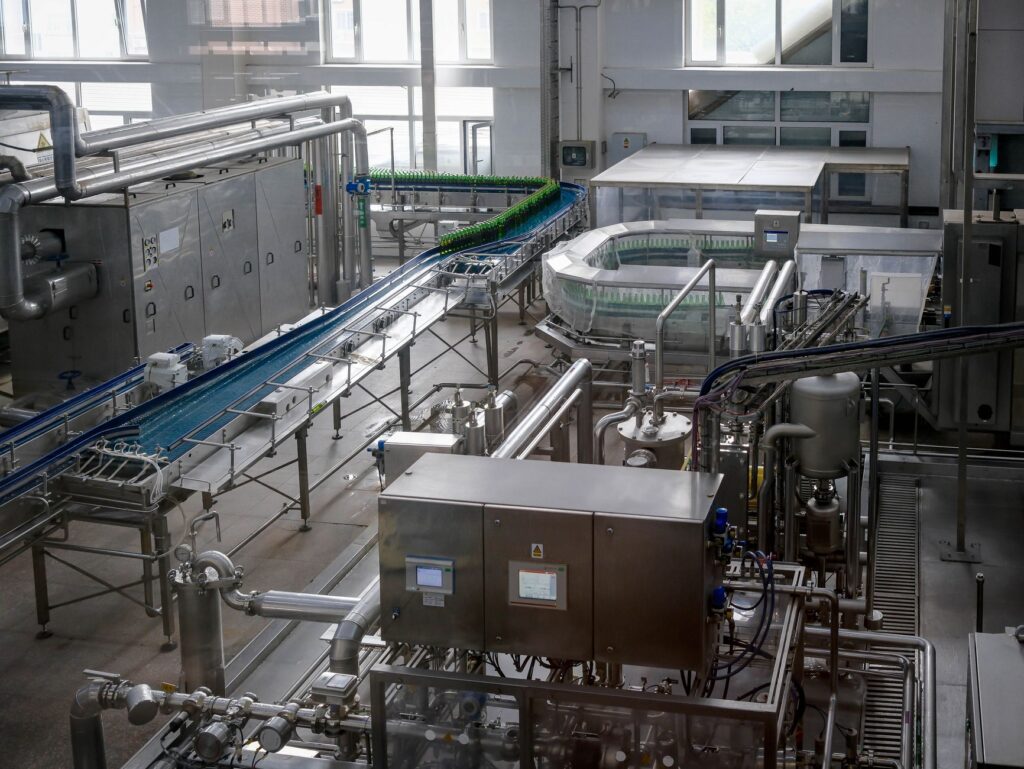

The Coca-Cola Company has temporarily suspended production of its popular Fairlife milk brand across United States processing facilities this week following a disruptive cyberattack on its IT infrastructure. The beverage giant initiated an immediate shutdown of manufacturing lines to contain the breach, launching a comprehensive forensic investigation alongside external cybersecurity experts and federal law enforcement.
Background on Fairlife and Coca-Cola’s Dairy Venture
Coca-Cola acquired full ownership of Fairlife LLC in 2020, positioning the ultra-filtered milk brand as a cornerstone of its “total beverage company” strategy. Utilizing a proprietary cold-filtration process that concentrates protein and calcium while removing lactose, Fairlife has experienced rapid market growth, capturing a significant share of the premium dairy sector.
The brand recently surpassed $1 billion in annual retail sales, making any disruption to its supply chain highly consequential for both the parent company and its retail partners. The high-tech nature of Fairlife’s filtration plants means its operations are heavily reliant on interconnected digital systems.
The Scope of the Cyber Incident
The disruption began early Tuesday when IT security teams detected unauthorized activity within the networks servicing Fairlife’s production facilities. To prevent the lateral movement of the malware, engineers disconnected critical Operational Technology (OT) systems from the corporate network, effectively freezing the automated bottling and packaging lines.
While Coca-Cola has not disclosed whether the incident involves ransomware, industry analysts suggest the rapid shutdown is characteristic of containment protocols used during active digital extortion attempts. The company has stated that its primary focus is securing the network environment before resuming normal operations.
Impact on the Dairy Supply Chain
The sudden production halt has triggered immediate concerns among dairy farmers and grocery distributors nationwide. Because milk is a highly perishable commodity, dairy cooperatives supplying Fairlife must quickly redirect millions of gallons of raw milk to alternative processing plants to avoid massive product spoilage.
Logistics managers warn that even a brief multi-day outage could lead to localized shortages of Fairlife products on supermarket shelves within the week. Distributors are already working to assess current inventory levels to mitigate the impact on retail consumers.
Cybersecurity Vulnerabilities in Modern Agriculture
This incident highlights a growing trend of cybercriminals targeting the food and agriculture sector, which the FBI classified as critical infrastructure vulnerable to digital extortion. According to a recent report by cybersecurity firm Dragos, ransomware attacks on food and beverage manufacturers increased by nearly 45% year-over-year.
Experts point out that the integration of legacy industrial control systems with modern internet-facing enterprise networks creates lucrative entry points for threat actors. These systems, often referred to as cyber-physical systems, bridge the digital and physical worlds, meaning a virtual breach can have immediate real-world consequences.
Expert Assessment of Industrial Cyber Risks
“Food production is highly time-sensitive, which makes these companies prime targets for cyber criminals looking for quick payouts,” said Marcus Vance, a senior industrial cybersecurity analyst at Securitas Tech. Vance noted that hackers recognize that dairy processors cannot afford prolonged downtime without facing severe raw material waste and supply chain penalties.
Consequently, companies often face immense pressure to resolve these incidents rapidly, sometimes considering ransom demands they would otherwise reject. The financial toll of these attacks extends far beyond the immediate ransom, encompassing lost productivity, system rebuilding costs, and potential reputational damage.
Implications for the Beverage Industry and Consumers
Moving forward, the incident is expected to accelerate regulatory scrutiny on the cybersecurity posture of the nation’s food supply chain. The Biden administration’s National Cybersecurity Strategy has already signaled a shift toward mandatory cybersecurity standards for critical infrastructure sectors, which may soon encompass large-scale agricultural processors.
Coca-Cola’s ability to safely restore its systems without compromising proprietary filtration technology or consumer data will serve as a critical test case for the industry. Security teams are currently working to scrub infected systems and establish clean backups before gradually bringing production lines back online.
In the coming days, stakeholders will closely monitor whether the hackers exfiltrated sensitive corporate or consumer data during the breach. The financial impact of the shutdown, including lost revenue and remediation costs, will likely be disclosed in Coca-Cola’s upcoming quarterly financial filings, providing a clearer picture of the true cost of the disruption.