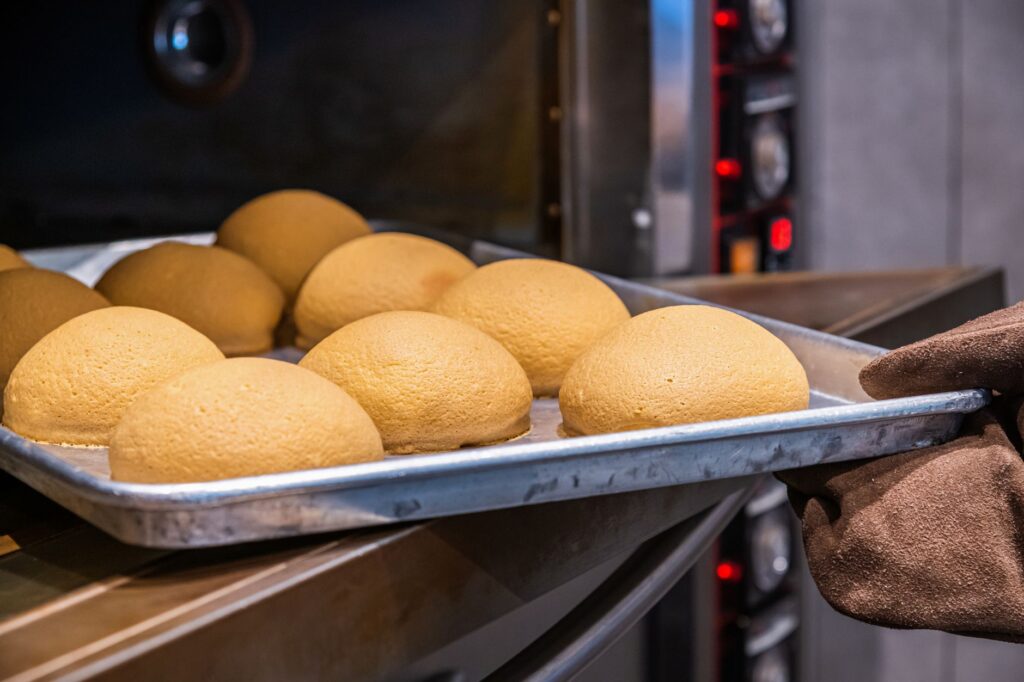

General Mills has initiated a voluntary recall of nearly 736,000 Pillsbury frozen dough rolls distributed to foodservice customers nationwide due to potential contamination with foreign glass fragments. The recall, detailed in a recent U.S. Food and Drug Administration (FDA) enforcement report, impacts specific batches of Pillsbury Hard Roll Dough and Kaiser Roll Dough marketed exclusively to businesses such as restaurants, cafeterias, and bakeries. No retail grocery products are affected by this action, meaning consumers will not find these specific recalled items on supermarket shelves.
Understanding the Scope of the Recall
To understand the impact, it is crucial to distinguish this commercial recall from consumer-facing grocery alerts. The affected items include frozen unbaked dough units that businesses bake on-site to serve to patrons. According to the FDA, the recall specifically targets 1,200 cases of Pillsbury Hard Roll Dough and Kaiser Roll Dough, totaling approximately 735,960 individual rolls.
These products were distributed to commercial food distributors and institutional kitchens across several states. Because these rolls are sold in bulk to businesses, everyday shoppers will not find the recalled product codes on supermarket shelves. However, patrons of establishments that serve freshly baked Pillsbury rolls may be indirectly exposed if businesses do not act quickly to purge their inventory.
Manufacturing Vulnerabilities and Foreign Object Contamination
The presence of foreign materials like glass in processed food typically points to equipment failure or raw material contamination at the manufacturing level. Food safety investigators note that glass contamination often occurs when light fixtures, inspection windows, or glass-packaged ingredients break near the production line. General Mills initiated the recall promptly upon discovering the potential hazard, prioritizing consumer safety and brand integrity.
The company has instructed all commercial distributors and foodservice operators to immediately stop using the affected lot codes and destroy any remaining inventory. While no injuries have been publicly reported in connection with the recall, the physical hazard of ingesting glass remains a severe concern for health officials. Glass fragments can cause lacerations in the mouth, throat, and digestive tract, presenting acute medical risks to consumers.
Expert Perspectives and Food Safety Standards
Food safety analysts emphasize that physical contaminants represent one of the most common reasons for food recalls in the United States. According to data from the FDA and the USDA Food Safety and Inspection Service (FSIS), foreign material contamination accounts for approximately 10 to 15 percent of all food recalls annually.
“Physical hazards like glass, metal, and plastic present unique challenges for high-speed food processing facilities,” says Dr. Arlene Mitchell, a food safety consultant. “Even with advanced X-ray and metal detection systems, some non-metallic materials can occasionally bypass automated screening, necessitating manual quality control overrides and swift recall protocols.” Under FDA guidelines, recalls involving potential glass contamination are treated with high priority due to the immediate risk of physical trauma.
Implications for the Foodservice Industry
For restaurants and institutional kitchens, this recall highlights the critical importance of robust supply chain tracking and inventory management. Foodservice operators must maintain meticulous records of lot numbers to quickly isolate compromised products during an active recall. A recall of this scale can disrupt daily operations and menus for establishments reliant on Pillsbury’s commercial dough products.
Replacing bulk inventory on short notice often forces businesses to seek alternative suppliers, potentially impacting food consistency and operational costs. Furthermore, establishments face potential liability if they fail to identify and discard the recalled dough before serving it to customers. Legal experts advise businesses to document the disposal or return of recalled products to protect themselves from future litigation.
What to Watch Next
Moving forward, industry observers will monitor how General Mills updates its manufacturing safeguards to prevent future contamination events. The FDA is expected to publish a final classification of the recall, which will formally assess the severity of the health hazard posed by the affected batches. Additionally, this incident may accelerate the adoption of next-generation optical sorting and advanced imaging technologies in commercial bakeries to detect non-metallic physical hazards before products leave the warehouse.