The European Union has firmly rejected any notion that Moscow should hold influence over the selection of a European envoy for upcoming Ukraine peace discussions. Top EU officials maintain that the diplomatic representatives chosen to speak for the bloc must be determined solely by established European institutions rather than external pressure from foreign governments. The stance highlights ongoing diplomatic tensions regarding how international negotiations concerning the conflict in Ukraine should be structured and who should sit at the negotiating table on behalf of European interests. Observers note that leadership choices within the bloc often face intense scrutiny from geopolitical rivals seeking to weaken a unified European front. Institutional Independence in Diplomacy European Union foreign policy chief Kaja Kallas addressed the matter directly, explaining that the bloc cannot simply appoint arbitrary figures to satisfy external demands. She pointed out that formal institutional frameworks exist to guide such critical appointments, ensuring that the selection process remains transparent, objective, and aligned with the strategic goals of member states. According to Kallas, attempts by foreign powers to vet or veto European representatives stem from a preference for weaker counterparts in negotiations. By insisting on institutional autonomy, the European Union seeks to preserve the strength and credibility of its diplomatic corps during high-stakes international dialogues. Strategic Implications for Ukraine Talks As discussions regarding the future of Ukraine continue to evolve, the choice of diplomatic envoys carries immense weight. European leaders understand that having capable, assertive representation is vital for safeguarding regional stability and ensuring that the interests of the bloc are fully respected in any eventual peace framework. The refusal to allow external interference underscores a broader commitment to maintaining sovereignty in foreign policy decision-making. Even as diplomatic channels remain complex and multifaceted, the European Union continues to assert its right to organize its diplomatic missions without yielding to outside preferences or pressure from the Kremlin.
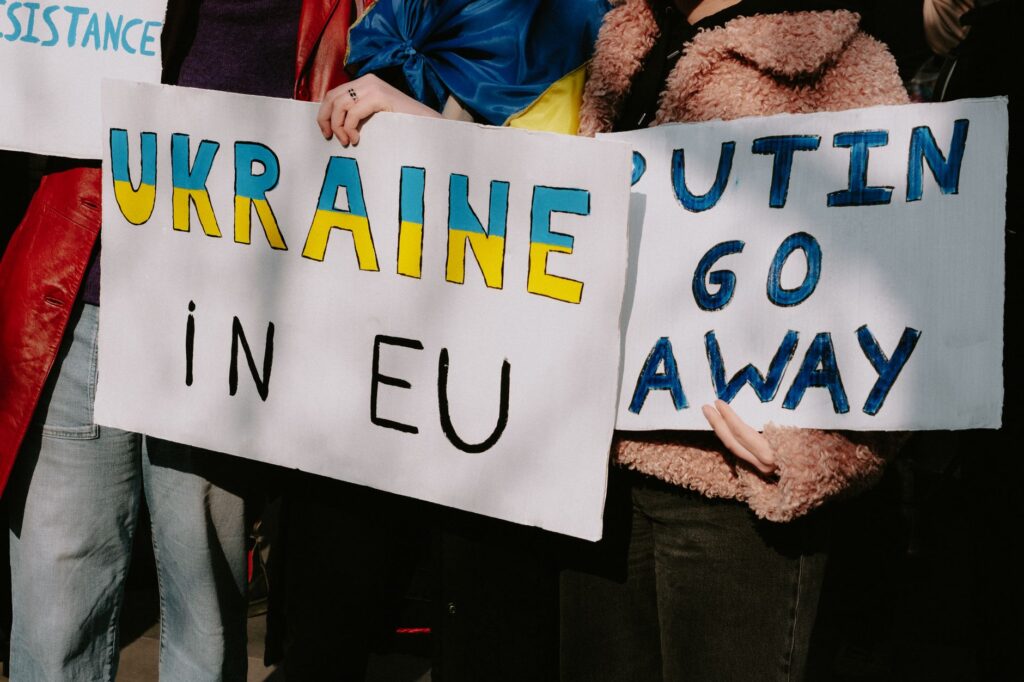
Photo by Mathias Reding on Pexels
Posted inInternational
EU Rejects Russian Influence Over Ukraine Peace Envoy Selection
Posted by
 No Comments