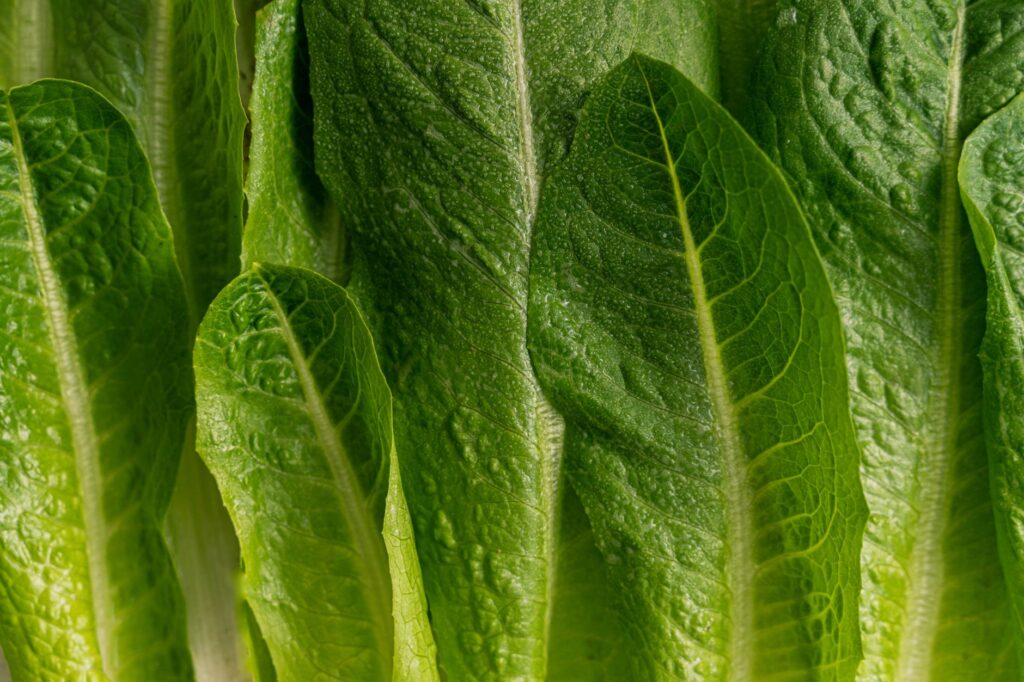

The U.S. Food and Drug Administration (FDA) announced Sunday that a lettuce sample from Taylor Farms, which initially flagged positive for the foodborne parasite Cyclospora, was a false positive. This clarification from federal regulators clears the major agricultural producer of immediate contamination concerns and averts a potentially disruptive nationwide recall of leafy greens. The agency confirmed that, as of its latest review, it has found no confirmed positive sample results in product testing for the parasite associated with the agricultural giant.
Understanding the Cyclospora Threat
Cyclospora cayetanensis is a microscopic, single-celled parasite that causes cyclosporiasis, an intestinal illness marked by watery diarrhea, severe stomach cramps, bloating, and fatigue. Humans typically contract the parasite by consuming fresh produce or water contaminated with fecal matter. Because the parasite requires days to weeks in the environment to become infectious after being passed, direct person-to-person transmission is highly unlikely, pointing instead to systemic agricultural vectors as the primary source of outbreaks.
Over the past decade, the FDA and the Centers for Disease Control and Prevention (CDC) have intensified monitoring of leafy greens, which are particularly susceptible to contamination due to their open-air cultivation and extensive handling during harvest. The summer months typically mark the peak season for cyclosporiasis infections in the United States, prompting federal agencies to increase routine surveillance testing across major farming regions in California, Arizona, and imported corridors.
Inside the False Positive Discovery
The initial alert arose during routine regulatory surveillance, a preventative measure deployed by federal agencies to catch pathogens before products reach grocery shelves and restaurant supply chains. Taylor Farms, one of North America’s largest fresh produce processors, cooperated immediately with federal investigators to trace the affected batch and isolate the product. However, subsequent confirmatory testing conducted by FDA laboratories using advanced molecular methods failed to replicate the initial positive result, leading officials to declare the first reading a false positive.
According to the FDA’s updated safety briefing, no confirmed positive sample results for Cyclospora have been linked to Taylor Farms’ products in this testing cycle. The agency emphasized that its multi-tiered verification process is designed precisely to prevent unnecessary market withdrawals while maintaining rigorous safety standards. For large-scale producers like Taylor Farms, which supplies major salad kits and pre-washed greens to retailers nationwide, a false alarm can trigger massive logistical challenges and erode consumer trust if not resolved swiftly.
The Financial and Operational Toll of Food Scares
Food safety experts note that even the rumor of pathogen contamination can devastate agricultural supply chains. According to data from the Grocery Manufacturers Association, a single major food recall can cost agricultural companies upwards of $10 million in direct costs, including product disposal, sanitization, logistics, and lost sales. For highly perishable goods like leafy greens, which have a shelf life of just a few weeks, the swift resolution of testing discrepancies is critical to preventing massive food waste.
“A false positive, while stressful for the supply chain, proves that the regulatory safety net is working,” says Dr. Arlette Shaughnessy, an independent food safety consultant. She notes that rapid polymerase chain reaction (PCR) tests are highly sensitive, which occasionally leads to cross-reactivity with non-harmful environmental organisms. “The industry relies on these highly sensitive preliminary screens to ensure nothing slips through, but the secondary confirmatory phase is what protects both public health and the economic viability of our agricultural sectors.”
Regulatory Testing Protocols Under Scrutiny
This incident highlights the delicate balance regulatory agencies must strike between public transparency and scientific accuracy. Under the FDA’s Leafy Greens Action Plan, the agency aims to release information quickly to protect public health. However, premature announcements can cause severe economic damage to growers who are later found to be entirely compliant with safety standards.
The Western Growers Association, which represents local farmers in California and Arizona, has long advocated for more precise, rapid testing technologies to minimize the window between preliminary screening and final confirmation. Industry advocates argue that improving the speed of confirmatory testing is essential to prevent false alarms from disrupting the distribution of perishable goods, especially as climate change introduces more unpredictable weather patterns that can affect crop health.
Future Outlook and Food Safety Innovations
Moving forward, the agricultural sector is expected to invest heavily in next-generation sequencing (NGS) and advanced biosensors to replace older, more volatile testing methods. These emerging technologies promise to reduce the verification window from several days to mere hours, providing definitive pathogen identification at the farm level before shipping occurs.
Consumers can expect the FDA to continue its aggressive surveillance of leafy green harvesting facilities, especially during the peak summer transition periods when water temperatures rise and parasite activity typically peaks. Stakeholders will closely monitor how federal agencies update their communication protocols regarding preliminary positive results to avoid unnecessary panic in the global food supply chain while maintaining a transparent relationship with the public.