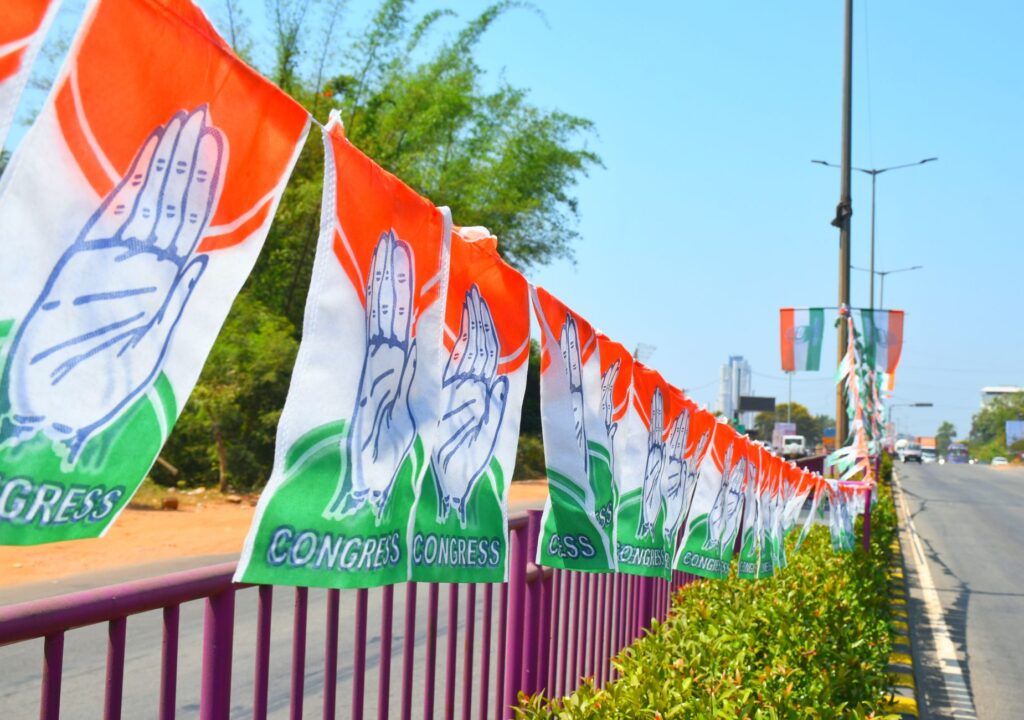

Strategic Growth And Internal Alignment
The political landscape in Punjab is witnessing continuous shifts as regional dynamics evolve. In response to these changing tides, the state unit of the Indian National Congress has decided to implement a structured approach regarding political realignments. Rather than handling party switches on an ad-hoc basis, the leadership has established a specialized committee designed to vet and manage incoming politicians from rival organizations.
This move highlights an organizational shift toward greater internal discipline and consultation. By centralizing the intake process, the party aims to prevent friction between grassroots workers and newly admitted members. Political transitions often create friction at the district and constituency levels, making structured oversight essential for long-term stability.
Empowering Local Leadership
A core objective of the newly formed panel is to ensure that regional stakeholders are actively consulted before any major political figure is welcomed into the fold. Historically, sudden inductions without the consent of grassroots representatives have led to internal dissent and weakened electoral campaigns. Under the new framework, the integration process will move forward only after factoring in the perspectives of local office-bearers.
This consultative mechanism serves as a bridge between the central decision-makers and the ground-level network. When local leaders feel valued and heard, the transition of newcomers becomes much smoother. It fosters an environment of unity, which is vital for building a cohesive front ahead of upcoming electoral battles.
Streamlining The Vetting Process
The committee will be responsible for evaluating the background, influence, and intent of individuals seeking to switch allegiances. As political parties gear up for future contests, managing the influx of ambitious figures requires careful scrutiny. This screening process helps maintain ideological alignment and organizational integrity.
Furthermore, the panel will coordinate logistics related to public inductions, ensuring that every transition adds genuine value to the organization. By filtering candidates through a dedicated group, the state leadership can focus on strengthening its core support base while strategically expanding its footprint through quality additions.
Looking Ahead
The establishment of this oversight body marks a pragmatic step in political management. As competition intensifies across the region, maintaining harmony within the ranks remains a top priority. Through careful deliberation and inclusive decision-making, the party hopes to project a united and disciplined image to the public.
Ultimately, the success of this initiative will depend on how effectively the committee balances expansion with internal consensus. By prioritizing communication and strategic alignment, the leadership aims to build a resilient organization capable of meeting future political challenges with confidence.