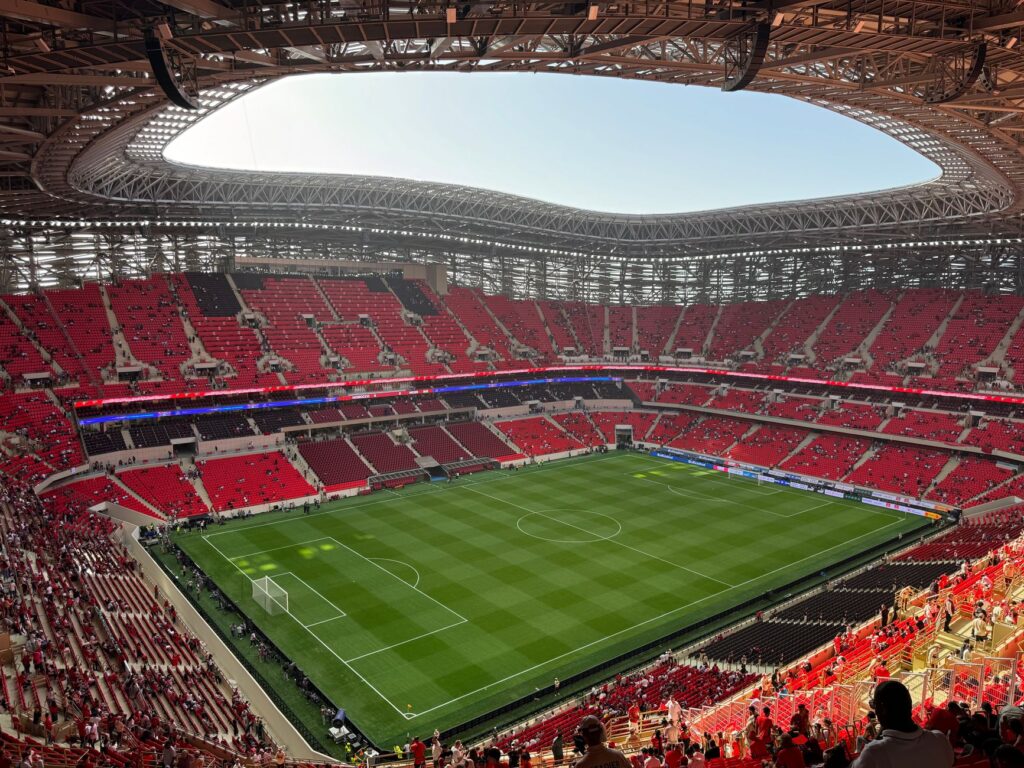

TORONTO — Canada’s historic turn on the global sports stage reaches its climax today as the country wraps up its co-hosting duties for the expanded FIFA Men’s World Cup, culminating in a monumental championship match projected to draw a record-breaking global television audience of nearly two billion viewers. The final match brings a close to a months-long, multi-city festival that transformed Canadian sports culture and tested the nation’s infrastructure on an unprecedented scale.
A Historic Expansion for Global Football
The tournament marked the first time in FIFA history that 48 teams qualified for the men’s finals, up from the traditional 32-team format. Canada shared hosting responsibilities with the United States and Mexico, with matches split between Toronto’s BMO Field and Vancouver’s BC Place. This massive expansion allowed smaller footballing nations to compete on the world stage, creating a highly unpredictable group stage and generating unprecedented global interest.
For Canada, hosting 13 matches across two provinces required years of meticulous planning, significant public funding, and major stadium renovations. Organizers designed the tri-nation format to distribute the logistical burden of the expanded field, which saw 104 matches played over several weeks. Despite initial skepticism regarding travel distances and player fatigue, FIFA officials have declared the multi-country model a logistical triumph.
Economic and Cultural Impact Across Canadian Host Cities
Local businesses, particularly in the hospitality, tourism, and retail sectors, reported record revenues during the tournament. Destination Canada, the national tourism marketing organization, projected that the tournament would generate up to $1 billion in economic activity nationwide. Hotels in Toronto and Vancouver reported near-total occupancy rates for the duration of the tournament.
“We saw an unprecedented influx of international visitors who stayed longer and spent more than typical summer tourists,” said sports economist Dr. Aris Valos. “The tournament acted as a massive, weeks-long marketing campaign for Canadian tourism that will yield dividends for years to come.”
Beyond the financial windfall, the tournament fostered a vibrant cultural exchange. Official FIFA Fan Festivals in Vancouver and Toronto drew hundreds of thousands of supporters daily, showcasing Canada’s multicultural identity as fans from every corner of the globe celebrated together in public squares.
The Athletics and Operational Triumph of a 48-Team Field
On the pitch, the tournament defied critics who argued that expanding the field to 48 teams would dilute the quality of play. Instead, fans witnessed historic upsets and highly competitive matches that kept global audiences captivated. The inclusion of more teams from Africa, Asia, and North America showcased the rapid development of football infrastructure globally.
“The gap between traditional powerhouses and emerging football nations has closed significantly,” noted former Canadian national team player Robert Thorne. “This tournament proved that global football talent is deeper than it has ever been, justifying the expansion.”
Operationally, the tournament set new benchmarks for transit coordination and crowd management in Canada. TransLink in Vancouver and the TTC in Toronto implemented specialized transit plans to move hundreds of thousands of fans safely and efficiently on match days, avoiding the gridlock many municipal critics had feared.
A Lasting Legacy for Canadian Soccer
The long-term implications of hosting the tournament extend far beyond the final whistle. Canada Soccer expects a massive surge in youth registration, mirroring the boom experienced by the United States after hosting the 1994 World Cup. The physical infrastructure upgrades to BMO Field and BC Place will benefit local professional clubs and national teams for decades.
However, critics point to the substantial public cost of hosting, raising questions about whether the long-term economic benefits will fully offset the taxpayer-funded investments in stadium upgrades and security. Municipal governments will face ongoing scrutiny as they balance these sports investments against pressing local infrastructure needs.
What Lies Ahead for the Global Game
As the curtain falls on this historic tournament, the focus of the soccer world shifts to future international competitions and the evolving landscape of sports broadcasting. The projected two billion viewers for the final match underscore the unmatched global reach of live sports in an otherwise fragmented media environment, signaling a highly competitive market for future media rights.
FIFA is already looking toward the 2030 tournament, which will feature an even more complex multi-continental hosting structure across Europe, Africa, and South America. The lessons learned from Canada’s operational execution and crowd management strategies will serve as a crucial blueprint for these future mega-events.
For Canada, the legacy of this World Cup will be measured by how effectively the country capitalizes on this momentum. With national interest at an all-time high, Canada is well-positioned to establish itself as a permanent force in global soccer, both on the pitch and as a premier destination for major international sporting events.