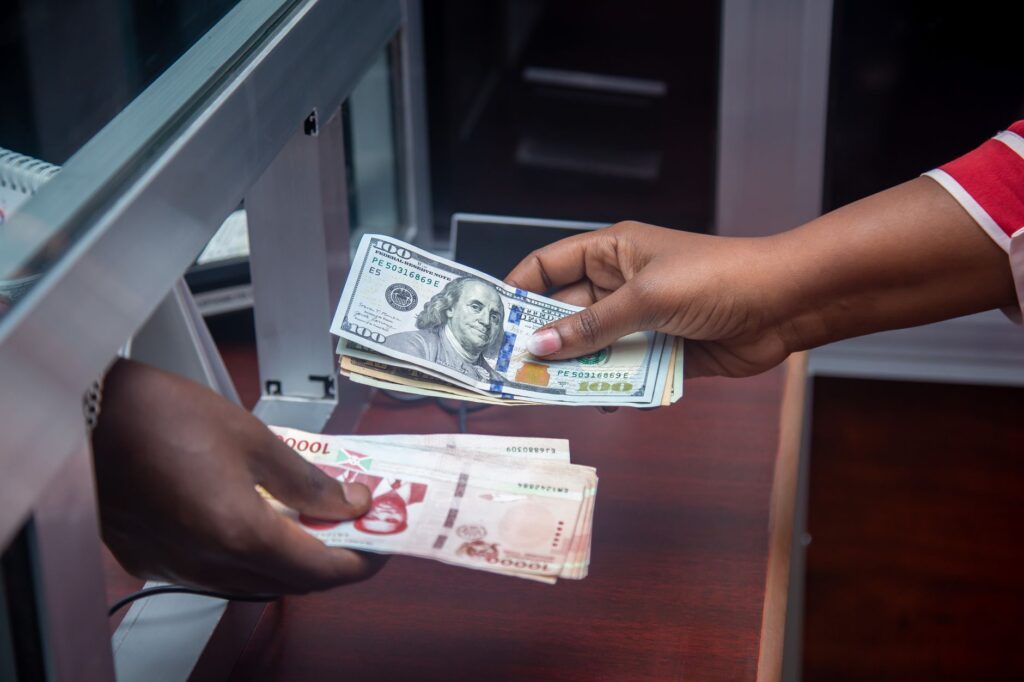

State Welfare Spending Reaches New Heights
Indian state governments are accelerating their investments in welfare initiatives, with projections indicating that expenditures on unconditional cash transfer programs will reach approximately Rs 4 lakh crore by the fiscal year 2027. This anticipated spending highlights a fundamental evolution in how states approach social support and economic assistance for their populations.
Unconditional cash transfers provide direct financial relief to beneficiaries without requiring them to meet specific work or behavioral criteria. Over recent years, these schemes have gained significant traction among policymakers seeking to stimulate local economies and provide immediate safety nets for vulnerable households.
Understanding the Financial Scale
The sheer volume of funds dedicated to these direct benefit programs reflects a growing preference among regional administrations for targeted financial interventions. Allocating Rs 4 lakh crore by FY27 underscores the expanding fiscal footprint of these welfare measures relative to traditional state budgets and capital expenditures.
Analysts tracking state finances note that while these programs offer rapid relief, they also demand careful fiscal management. State treasuries must balance the imperative of supporting citizens with the necessity of maintaining sustainable debt levels and funding essential infrastructure projects.
Economic Implications and Policy Shifts
The proliferation of unconditional cash transfers influences local commerce by directly increasing household purchasing power. When families receive regular financial support, they often spend the funds immediately on essential goods and services, which can stimulate demand within regional markets.
At the same time, economists continue to debate the long-term trade-offs associated with massive entitlement spending. Critics often question whether high allocations for direct transfers might constrain resources available for long-term capital investments, such as roads, healthcare facilities, and educational institutions.
Future Outlook for State Budgets
As the fiscal year 2027 approaches, regional governments face the challenge of optimizing their revenue streams to support these expansive welfare architectures. Ensuring that direct benefit programs are effectively targeted can help maximize their socioeconomic impact while mitigating potential strain on public finances.
Ultimately, the trajectory of unconditional cash transfers will remain a critical metric for evaluating state-level fiscal health and social policy priorities in the coming years. Policymakers must continuously assess the balance between immediate poverty alleviation and sustained economic growth.