
Critical Mineral Supply Pressures
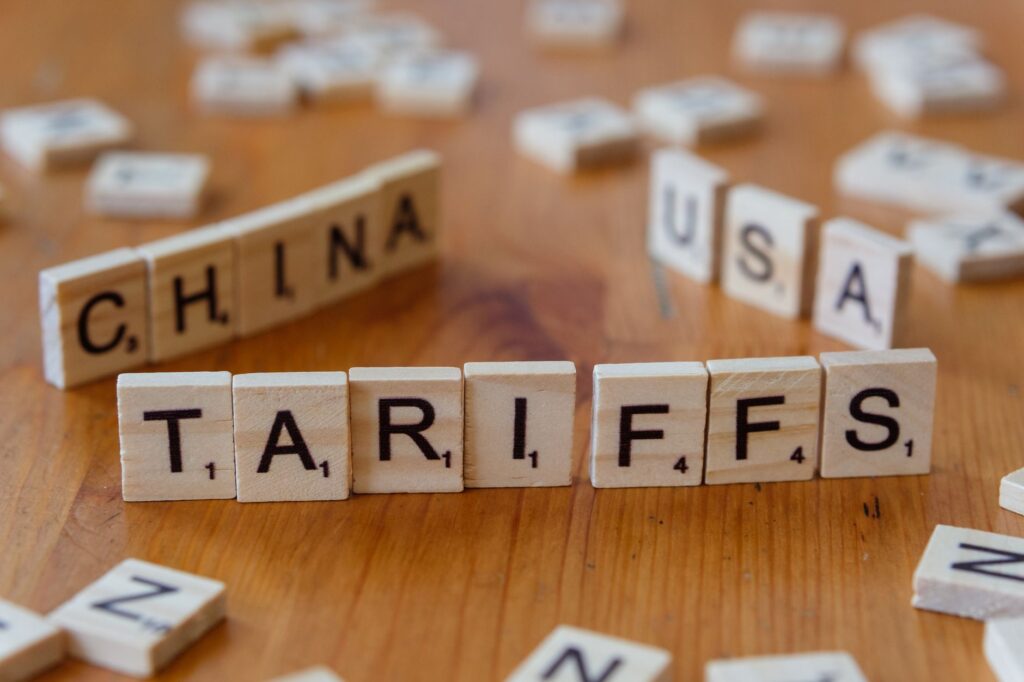
Recent trade friction has introduced significant challenges for industrial supply chains across Asia. China has implemented stringent export controls that restrict the free movement of several critical elements essential for modern technology and manufacturing. Among the restricted materials are gallium, dysprosium, terbium, and yttrium. These elements play an indispensable role in producing high-tech goods, advanced electronics, and various specialized components.
Impact on Japanese Manufacturers
The newly enforced restrictions have triggered immediate apprehension within industrial sectors in Japan. Japanese manufacturing firms heavily rely on a steady and predictable inflow of these specialized materials to maintain production schedules and meet global demand. Without reliable access to these elements, factories face operational bottlenecks and potential delays in delivering finished goods to international markets. Industry leaders are closely monitoring the situation as operational costs begin to fluctuate.
Broader Economic and Diplomatic Implications
The tension surrounding critical mineral supplies highlights the vulnerability of global trade networks to diplomatic disagreements. When geopolitical friction spills over into economic policy, manufacturing sectors bear the brunt of the instability. Corporations are now re-evaluating their sourcing strategies to mitigate future risks associated with concentrated supply chains. Diversification has become a top priority for procurement teams seeking to secure alternative sources for these vital materials.
Navigating Future Supply Chain Vulnerabilities
As industrial organizations adapt to a shifting economic landscape, the focus shifts toward resilience and self-reliance. Finding substitutes for restricted elements or establishing new trade partnerships requires substantial time and capital investment. Nevertheless, the recent measures serve as a stark reminder of the delicate balance governing international commerce and technological advancement today.