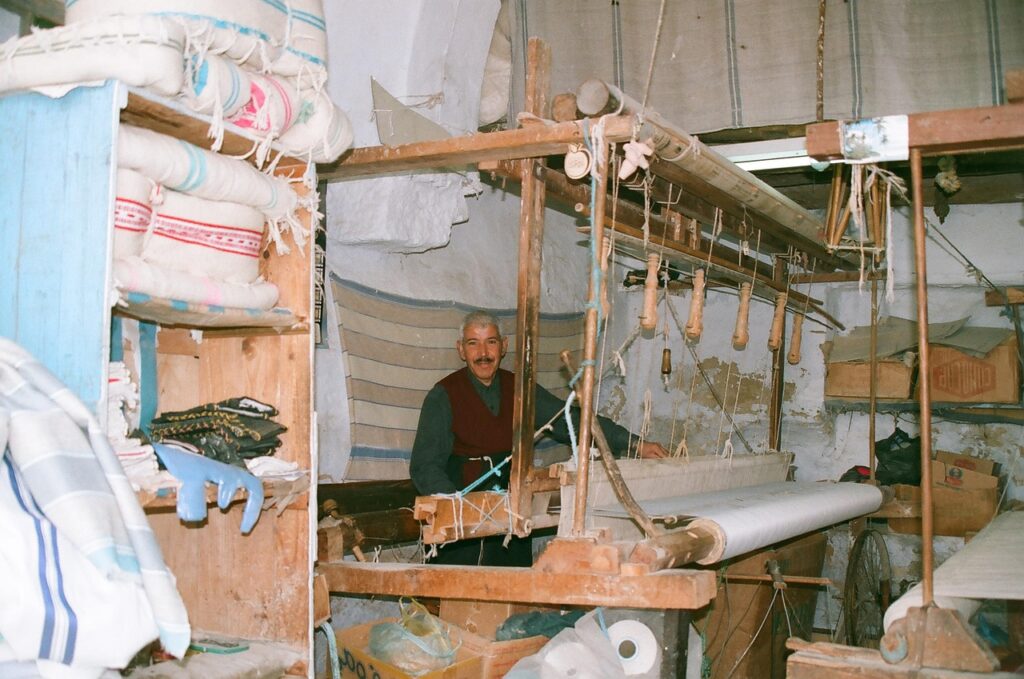

In a major milestone for the preservation of Indian craft, acclaimed Hyderabad-based textile designer Gaurang Shah has launched his debut coffee table book, Limitless Traditions, documenting the rich tapestry of India’s handloom heritage. The publication, compiled after years of travel through the country’s historic weaving clusters, aims to safeguard endangered indigenous techniques and celebrate the generational artisans who keep them alive. By capturing the intricate processes of various weaving communities, the book serves as both a cultural archive and an appeal for the preservation of slow fashion.
The Evolution of India’s Handloom Sector
Handloom weaving remains one of India’s largest economic sectors, second only to agriculture, employing over 3.5 million people according to government census data. However, the rise of fast fashion and power looms has threatened these traditional livelihoods, leaving many ancestral techniques on the brink of extinction. Shah, known for his revivalist work with Jamdani and Kanjeevaram weaves, has spent over two decades bridging the gap between traditional weavers and modern luxury markets.
Historically, Indian handlooms represented more than just clothing; they were symbols of regional identity, social status, and spiritual storytelling. From the courtly patronage of Benarasi brocades to the tribal weaves of northeastern India, each textile carries a distinct geographical footprint. As urbanization draws younger generations away from ancestral looms, documenting these processes has become an urgent priority for cultural preservationists.
A Journey Through India’s Living Weaving Clusters
Limitless Traditions serves as both a visual archive and an anthropological study of India’s diverse textile landscape. The book covers legendary weaving centers from Varanasi and Paithan to Kota and Srikakulam, detailing the intricate mathematical calculations and physical labor behind each textile. Shah documents how regional climates, local flora, and cultural mythologies directly influence the patterns and natural dyes used in different states.
The publication details the meticulous creation of Jamdani, a discontinuous supplementary weft technique that requires immense precision and patience. It also highlights the complex double-ikat Patola of Gujarat, where warp and weft threads are dyed individually before weaving to create perfectly symmetrical geometric patterns. Through high-resolution photography and detailed narratives, Shah brings readers onto the workshop floors where these masterpieces are born.
Empowering the Artisans Behind the Loom
Beyond the aesthetic appeal of the textiles, the narrative focuses heavily on the human element of the craft. Shah highlights the stories of master weavers, many of whom represent the fifth or sixth generation of their families to practice the craft. “The true luxury of Indian handlooms lies in the hands that weave them,” Shah noted during a recent promotional event, emphasizing that economic sustainability for artisans is crucial for the survival of the art form.
By working directly with over 800 weavers across the country, Shah has helped establish sustainable fair-wage ecosystems that encourage younger artisans to remain in the trade. The book argues that preserving these crafts requires treating weavers as artists rather than manual laborers. This shift in perspective is vital for elevating the status of handloom weaving in the global design hierarchy.
Reviving Heritage for a Global Market
Industry experts point out that the global demand for sustainable and artisanal products is rising, creating a unique window of opportunity for Indian handlooms. According to market research, the global ethical fashion market is projected to reach over $10 billion by 2027. Shah’s book positions Indian handlooms not merely as historical artifacts, but as viable, eco-friendly luxury products for the modern global consumer.
The release of Limitless Traditions is expected to spark renewed interest among younger designers and international fashion houses looking to collaborate with Indian weavers. By documenting these complex techniques in a high-quality print format, the book establishes a permanent reference point for design schools and textile researchers worldwide. This documentation helps prevent the intellectual property of indigenous communities from being co-opted without credit.
Looking ahead, the focus shifts to how digital platforms and direct-to-consumer models can further democratize the handloom supply chain. As Shah continues his advocacy, the industry will watch closely to see if this literary documentation translates into increased wages and recognition for grassroots artisans. The long-term survival of these ancient traditions will ultimately depend on policy support, consumer education, and the willingness of luxury markets to invest in slow, ethically produced fashion.