
Introduction to the Indigenous Vaccine
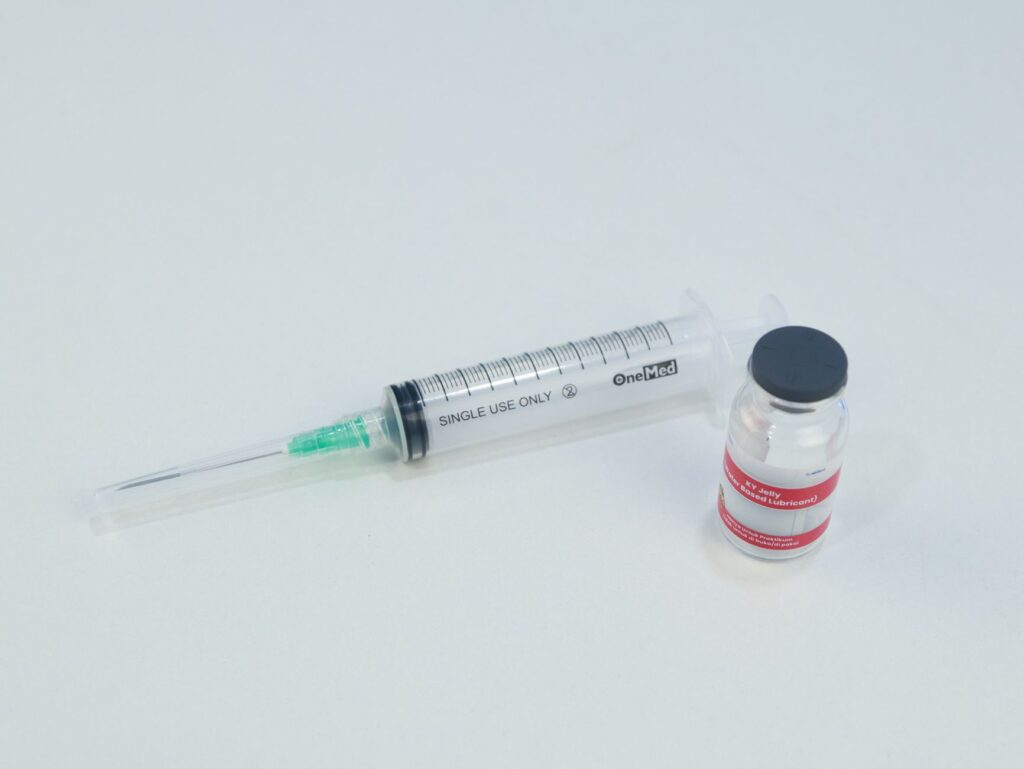
India has achieved a significant milestone in animal health with the introduction of its very first home-grown vaccine targeting the H5N1 avian influenza virus in chickens. This major scientific development offers a robust defense mechanism for the domestic poultry industry, which faces recurring threats from dangerous bird flu outbreaks. By creating a reliable and affordable immunization option, the nation aims to secure its agricultural supply chain and protect farmers from devastating financial losses.
Development by Leading Scientists
The breakthrough immunization product was successfully engineered by researchers at the Indian Council of Agricultural Research and the National Institute of High Security Animal Diseases. These scientific teams dedicated extensive research and testing to formulate a vaccine specifically tailored to combat the viral strains prevalent in the region. Their rigorous scientific approach ensures that the resulting product meets high standards of efficacy and safety for agricultural use.
Affordability and Economic Impact
One of the most remarkable aspects of this new veterinary solution is its exceptional affordability. Priced at only one to two rupees per dose, the vaccine is accessible to poultry farmers of all scales, from small backyard operations to large commercial enterprises. This low cost removes a major financial barrier to widespread immunization, ensuring that even marginalized rural farmers can protect their flocks without straining their limited resources.
Preventing Future Outbreaks
Avian influenza outbreaks have historically posed severe challenges to the poultry sector, often resulting in mass culling and steep economic downturns. The deployment of this indigenous vaccine is expected to act as a vital shield against future viral surges. By establishing herd immunity among chicken populations, the agricultural community can drastically reduce the transmission rate of the pathogen and maintain stable market operations.
Strengthening National Biosecurity
The introduction of a locally manufactured avian flu vaccine enhances the country self-reliance in animal health management. Relying on domestic research and production capabilities reduces the need for expensive foreign imports and ensures a steady, uninterrupted supply of vital medical supplies during health emergencies. This strategic advantage fortifies the overall biosecurity framework of the nation, positioning it strongly against potential biological threats to agriculture.