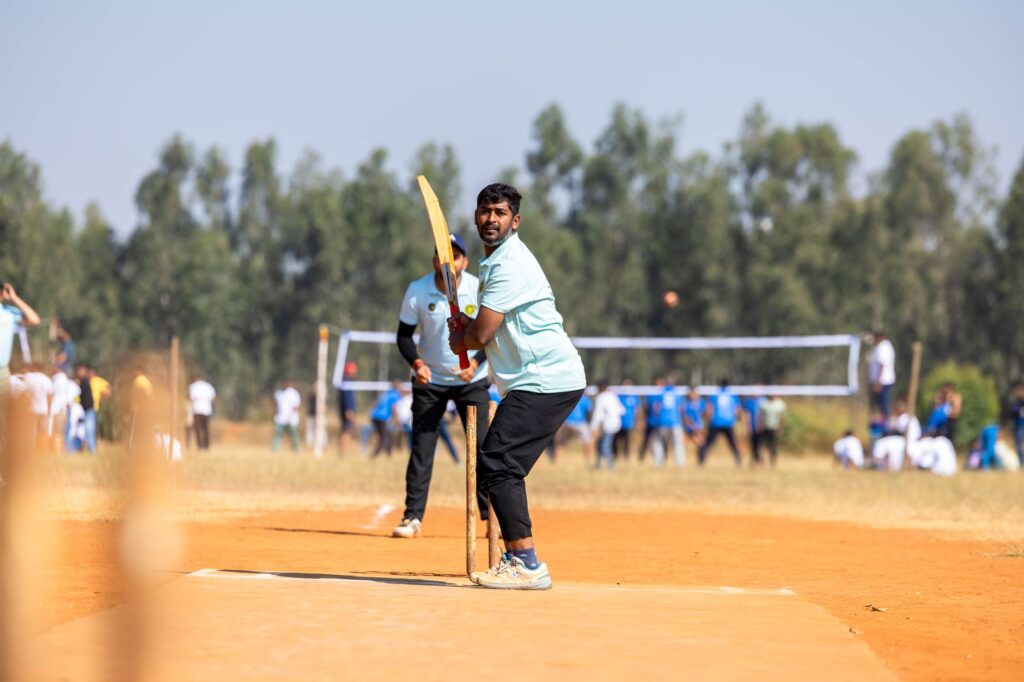

Tournament Background And Context
International sports often witness intense rivalries that extend beyond the boundaries of traditional competition. Recently, a significant controversy unfolded in the realm of blind cricket during a major regional tournament. The event, which brought together top-tier athletic talent from across the continent, culminated in a tense situation during the final award ceremony.
The final match and the subsequent events have drawn widespread attention from sports analysts and enthusiasts alike. While athletic prowess was on full display throughout the competition, administrative and diplomatic tensions ultimately overshadowed the on-field achievements.
The Boycott Decision
Following the conclusion of the tournament events, the delegation representing the visiting nation made a definitive choice regarding the official protocol. In a notable display of dissent, the athletes and coaching staff decided to stay away from the post-tournament presentation ceremony.
This decision came after the neighboring squad was officially declared the winner of the regional championship. Rather than participating in the traditional closing festivities, the players chose to register their protest by refusing to collect their runners-up medals or acknowledge the final standings on the podium.
Reactions And Implications
Sports governance bodies often face complex challenges when political or bilateral tensions spill over into competitive arenas. This recent development highlights the fragile nature of sports diplomacy within the region.
Observers have noted that such boycotts can have long-lasting effects on future fixtures and regional cooperation. The governing authorities are expected to review the official reports from the match officials and tournament organizers to determine if any further administrative actions are warranted.
Looking Forward
As the dust settles on this controversial conclusion to the regional championship, athletes and fans are left wondering about the future of bilateral sporting exchanges. The focus now shifts back to upcoming international fixtures and how sports administrators will handle similar diplomatic hurdles in the future.