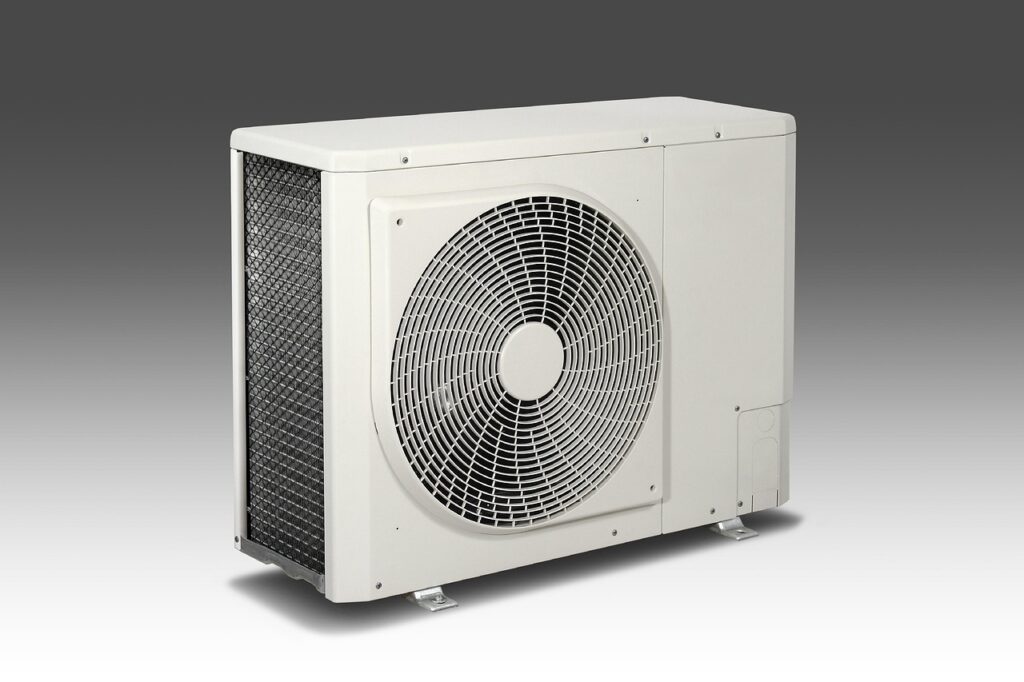

New York City health officials detected Legionella bacteria in the cooling systems of a local museum this week, amid an active outbreak that has already sickened 63 people and hospitalized 13 across the metropolitan area. The Department of Health and Mental Hygiene confirmed the discovery during routine investigations aimed at tracing the source of the recent spike in Legionnaires’ disease. No deaths have been reported in connection with the current outbreak.
Understanding Legionnaires’ Disease and the Museum Discovery
Legionnaires’ disease is a severe, sometimes lethal form of pneumonia caused by inhaling microscopic water droplets contaminated with Legionella bacteria. The pathogen thrives in warm water environments, frequently colonizing large building cooling towers, hot tubs, public fountains, and complex plumbing systems.
The recent discovery at the unnamed New York museum has elevated public concern, given the high volume of daily foot traffic these cultural institutions attract from both local residents and international tourists. Health inspectors regularly monitor these systems, but summer humidity and aging infrastructure often exacerbate bacterial growth.
While the bacteria are naturally occurring in freshwater environments, they become a public health hazard when they enter building water systems. Once inside, they can multiply rapidly if water temperatures are warm and disinfectants are insufficient.
Public Health Response and Mitigation Efforts
Following the positive test results, city environmental health officers ordered the immediate disinfection and remediation of the affected cooling towers. Maintenance crews are currently flushing the systems with high-dose biocides to eradicate the bacteria and prevent further aerosolization.
The New York City Department of Health has expanded its environmental sampling to surrounding buildings within a several-block radius of the museum. Epidemiologists are interviewing hospitalized patients to map their recent movements and identify potential common exposure sites.
Under local laws enacted after a major outbreak in 2015, New York City requires building owners to register, inspect, and regularly test all cooling towers. Failure to comply with these maintenance standards can result in severe financial penalties and court-ordered closures.
These regulations, known as Chapter 8 of the NYC Health Code, mandate that building owners perform weekly inspections and quarterly testing. The current investigation will determine whether the museum adhered to these strict maintenance schedules.
Expert Analysis on Urban Water Infrastructure
Epidemiologists point out that while Legionella is common in the environment, it only poses a threat when aerosolized through mist-producing devices like cooling towers or decorative fountains. Dr. Aris Papadopoulos, an infectious disease specialist, noted that prompt detection is key to preventing widespread mortality.
“The fact that we have 13 hospitalizations but zero deaths indicates that our clinical response and early detection systems are working much better than they did a decade ago,” Papadopoulos said. “However, the presence of the bacteria in a high-profile public space highlights ongoing vulnerabilities in urban water management.”
Data from the Centers for Disease Control and Prevention (CDC) shows that Legionnaires’ disease cases have been steadily rising nationwide over the past two decades. Experts attribute this trend to an aging population, warming summer temperatures, and deteriorating municipal infrastructure.
According to CDC reports, nearly 10,000 cases of Legionnaires’ disease are reported in the United States each year. However, because many cases are misdiagnosed as standard pneumonia, the actual number of infections is likely much higher.
Industry Impact and Operational Challenges
For cultural institutions and commercial real estate operators, the outbreak underscores the operational risks associated with HVAC maintenance. A single positive test can lead to reputational damage, costly remediation efforts, and potential legal liabilities.
Industry consultants recommend that facilities implement comprehensive water safety plans that go beyond minimum regulatory compliance. This includes real-time monitoring of chlorine levels, water temperature, and biocide efficacy.
“Many buildings rely on reactive testing rather than proactive management,” said Sarah Jenkins, an environmental engineering consultant. “By the time a test comes back positive, the risk of exposure has already existed for days or weeks.”
Future Implications and Regulatory Outlook
The incident is likely to prompt stricter enforcement of building code regulations across New York’s cultural and commercial sectors. Facility managers throughout the city are already reviewing their water safety plans to avoid similar disruptions and potential liability.
Public health officials advise residents, particularly those over the age of 50, smokers, or those with weakened immune systems, to seek immediate medical attention if they experience flu-like symptoms, fever, or shortness of breath.
Moving forward, investigators will focus on whether the museum’s maintenance logs complied with city health codes. The public will be watching to see if the remediated cooling towers pass follow-up testing and if the city’s overall case count begins to stabilize in the coming weeks.