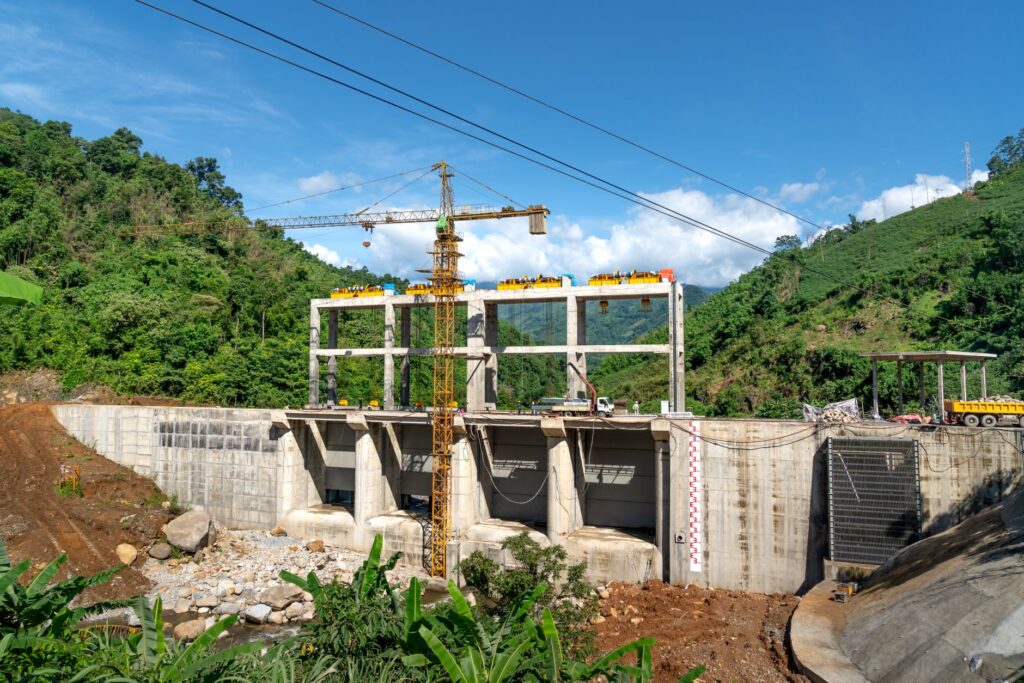

Background of the Siang Mega Dam Concern
Local representatives and community groups in India’s northeastern frontier have raised serious alarms regarding large-scale infrastructure developments planned in the region. Specifically, two prominent organizations based in Arunachal Pradesh have formally requested the central government to intervene. These entities have reached out directly to the Union Home Minister to express their deep-seated worries over the ecological and social impacts of a major hydroelectric initiative.
The core of the apprehension lies in the sheer scale of the proposed undertaking along a vital regional river system. Community advocates argue that massive engineering feats in fragile seismic zones can trigger irreversible environmental consequences. For months, residents and local associations have organized discussions, community rallies, and formal representations to halt the progression of these pre-feasibility and survey activities.
Appeal to the Union Home Minister
In their latest move, the two Arunachal-based organizations addressed a formal petition to Union Home Minister Amit Shah. The plea strongly urges the central leadership to scrap the controversial Siang mega dam project entirely. The petitioners emphasize that the construction of such a massive barrier would permanently alter the natural landscape, displace indigenous populations, and disrupt traditional ways of life that have existed for generations.
According to the leadership of these regional groups, the voices of the local inhabitants must take precedence over commercial energy interests. They have pointed out that previous memorandums submitted to various state and national authorities have failed to yield satisfactory reassurances. Consequently, escalating the matter to the Union Home Minister represents a critical step in their ongoing campaign to protect their homeland from what they view as an impending ecological disaster.
Ecological and Social Implications
The arguments presented against the massive infrastructure undertaking focus heavily on geological safety and biodiversity preservation. The region is known for its delicate tectonic stability, and critics of the proposal fear that impounding vast volumes of water could increase the risk of localized seismic activities. Furthermore, experts and local stakeholders worry about the downstream impacts on water availability, aquatic life, and agricultural productivity.
Beyond environmental concerns, the human cost remains a central theme for the protesting organizations. Indigenous communities depend closely on the river ecosystem for their daily sustenance, cultural identity, and economic survival. Relocation without adequate consensus or sustainable rehabilitation frameworks threatens to fragment tight-knit societies and erase centuries of indigenous heritage.
Looking Ahead
The formal request submitted to Amit Shah places the spotlight back on the federal government’s policy regarding mega-infrastructure developments in sensitive border zones. As regional groups maintain their opposition, the central administration faces the challenge of balancing national energy generation goals with the urgent environmental and social concerns raised by local inhabitants. The outcome of this high-level appeal will likely shape the future discourse surrounding hydroelectric developments in the sensitive Himalayan terrain.