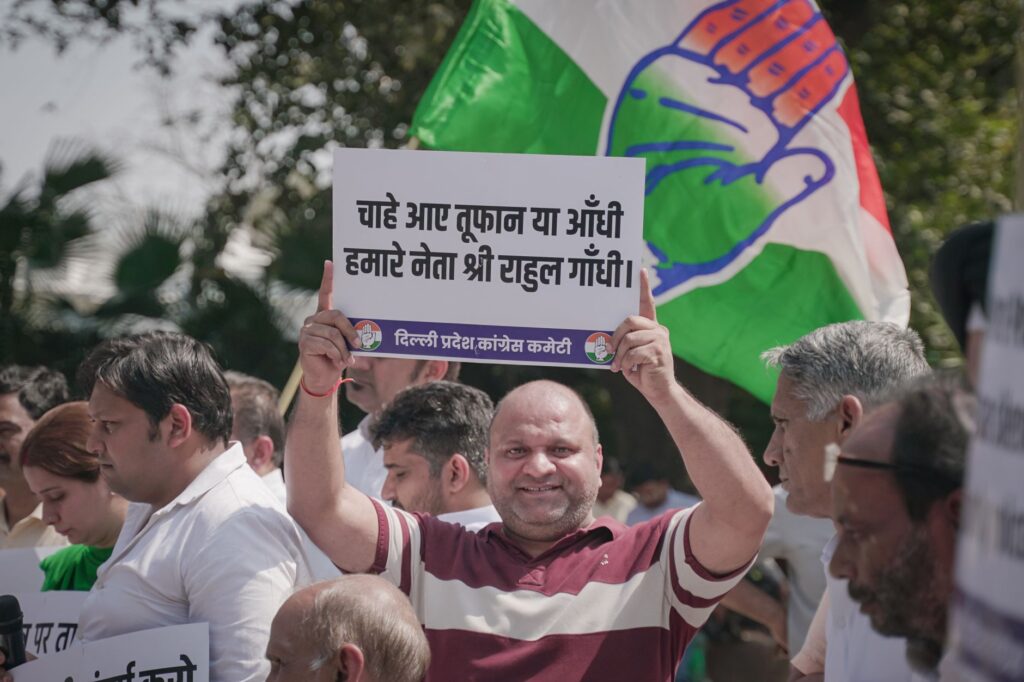

Political tensions have risen significantly following recent remarks made by prominent opposition figure Rahul Gandhi directed at the ruling establishment and associated ideological organizations. During a public address, Gandhi launched a sharp critique against the Bharatiya Janata Party and the Rashtriya Swayamsevak Sangh, claiming that these entities fail to grasp the core of the nation’s spiritual and religious traditions.
Understanding India’s Heritage
Gandhi argued that the true essence of Indian spirituality is rooted in inclusivity, diversity, and profound historical depth. According to his statements, the ideological framework promoted by the ruling party and its parent organization stands in stark contrast to these traditional values. He suggested that political actors seeking to define national identity through a narrow lens are fundamentally disconnected from the pluralistic fabric that has sustained the country for millennia.
The broader political discourse often centers on competing interpretations of cultural heritage. Critics from various opposition platforms frequently contend that the current governance model imposes a monolithic cultural narrative. In this context, Gandhi emphasized that genuine spiritual understanding requires respect for all beliefs and an appreciation of historical continuity rather than modern political appropriation.
Political Repercussions and Responses
The remarks quickly drew strong rebuttals from leaders within the ruling alliance. Representatives from the targeted organizations dismissed the allegations, asserting that their commitment to the nation’s cultural ethos is unshakeable and well-documented through decades of grassroots community engagement. Defenders of the ruling party argued that opposition leaders frequently misinterpret their ideological goals for political expediency.
Furthermore, political analysts note that such verbal exchanges highlight the ongoing ideological battleground in national politics. As parties prepare for upcoming electoral challenges, cultural and religious narratives continue to serve as potent tools for mobilizing voter bases. The debate over who truly represents the nation’s spiritual soul remains a central theme in contemporary political debates.
Conclusion
The exchange underscores the deep ideological divides shaping modern political discourse in the country. While the opposition continues to question the cultural credentials of the ruling administration, defenders maintain that their vision aligns with the authentic heritage of the nation. As these debates persist, the interpretation of tradition and spirituality will undoubtedly remain a crucial component of political strategy.