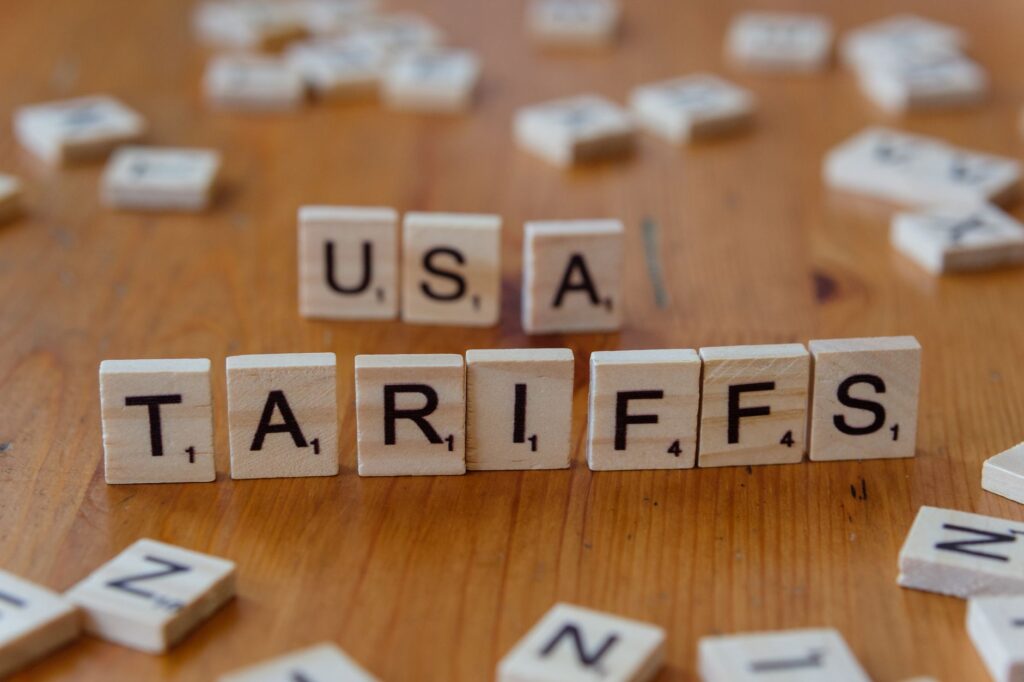

Background on Tariff Policies
Recent economic investigations have brought to light a controversial financial trend involving major corporate entities and government tariff refunds. During past trade policy implementations, various import duties and tariffs were levied on goods entering the market. As legal challenges and administrative reviews progressed, several businesses became eligible for substantial financial reimbursements from the government.
The Allocation of Government Refunds
While these fiscal adjustments were ostensibly tied to consumer pricing impacts, the resulting capital distribution has taken an unexpected turn. According to recent findings, a minimum of nine corporate organizations have redirected these tariff refunds directly toward executive and employee bonuses. Rather than passing the financial relief down to the end purchasers who absorbed higher costs during the tariff period, these entities chose internal compensation distribution.
Corporate Decision Making and Accountability
This allocation of funds has sparked considerable debate among economic analysts and consumer advocacy groups. The core argument centers on whether money collected through consumer-facing price hikes should return to the public when government duties are rescinded. Business leaders defended their internal bonus allocations by pointing to operational discretion and employee performance incentives, leaving consumer advocates questioning the fairness of the financial recovery process.
Future Implications for Trade and Finance
The revelation regarding these nine companies highlights a notable gap in financial accountability mechanisms during large-scale tariff adjustments. As trade policies continue to evolve under various administrations, lawmakers and consumer watchdogs are examining ways to ensure that future financial reimbursements correlate more directly with retail price reductions and consumer restitution rather than internal corporate rewards.