
Introduction
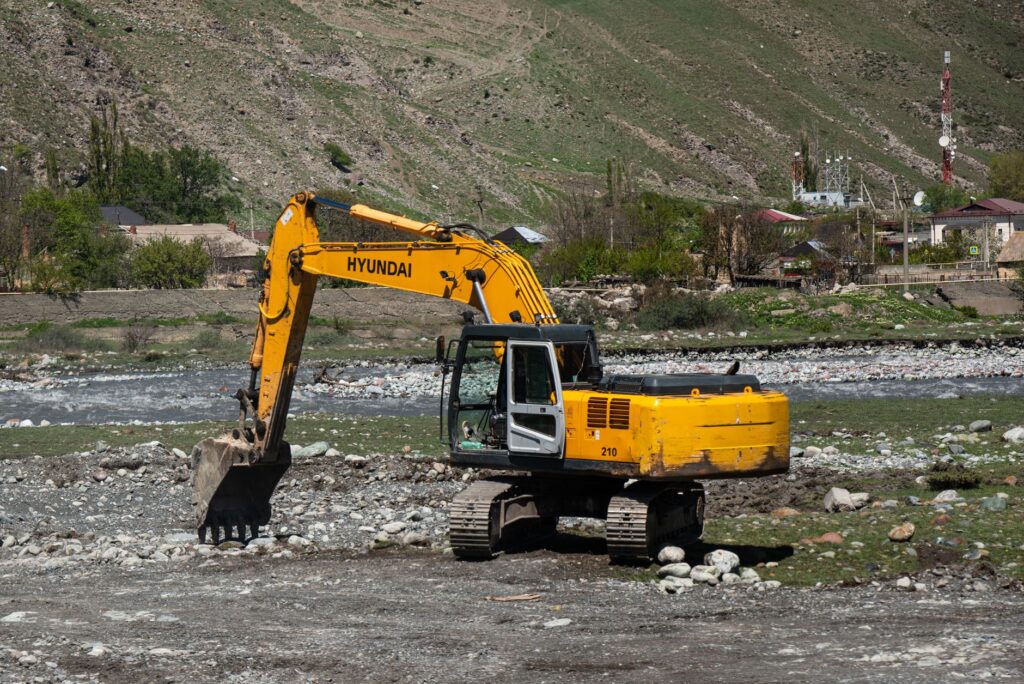
Recent footage showing heavy machinery operating near a high-altitude water body has ignited intense public debate and concern. The video, which rapidly circulated across various digital platforms, drew sharp reactions from political figures and community representatives. The incident highlights the delicate balance required when undertaking any infrastructural or mechanical work in ecologically and culturally sensitive regions.
Understanding the Controversy
The core of the issue lies in the deployment of an excavator near the revered Sheshnag Lake. For many communities, this water body holds deep religious and cultural significance. The sight of heavy machinery operating in such a pristine and sacred environment raised immediate alarms among observers who viewed the activity as an affront to local traditions and beliefs.
Political and Public Reactions
The visual evidence prompted swift condemnation from regional political figures. A prominent leader from the Peoples Democratic Party voiced strong opposition to the deployment of the machine, describing the action as a direct offense against Hindu sentiments. Such statements amplified the gravity of the situation, transforming a localized operational concern into a broader cultural and political discussion.
Environmental and Cultural Sensitivities
Beyond the cultural dimensions, the presence of heavy equipment in fragile high-altitude ecosystems naturally attracts scrutiny regarding environmental protection. Scholars and conservationists frequently emphasize the necessity of strict oversight for any construction or excavation activities in these zones. The combination of ecological vulnerability and profound religious importance demands extreme caution from authorities and project planners alike.
Calls for Accountability
In the wake of the public outcry, demands for transparency and accountability have grown louder. Observers and community members are urging local administrations to clarify the purpose behind deploying the excavator and to ensure that no unauthorized or insensitive work is conducted in sacred areas. The incident serves as a stark reminder of the care required when managing projects in locations charged with both environmental and spiritual value.
Conclusion
The episode surrounding the excavator at Sheshnag Lake underscores the profound intersections between faith, heritage, and regional governance. As discussions continue, the primary focus remains on addressing community concerns and safeguarding sensitive landscapes from perceived disrespect or potential degradation.