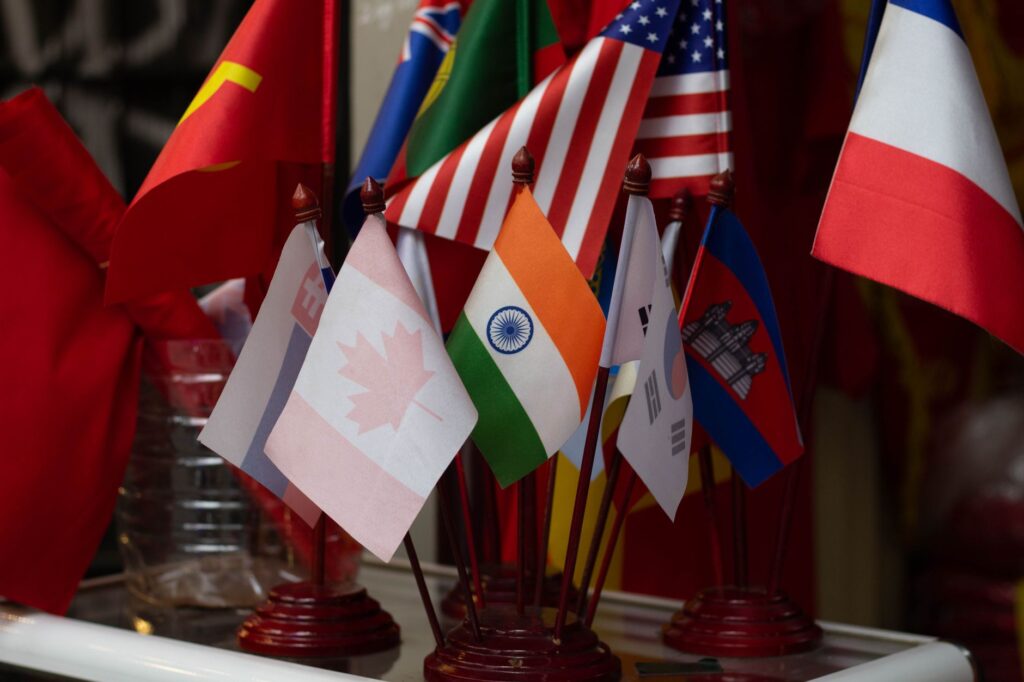

Strategic Shifts in Regional Politics
A packed schedule of international meetings often gives the impression of a shifting global hierarchy. Observers frequently watch high-level gatherings, noting the handshakes, group photographs, and formal communiques. Yet, the true test of any diplomatic summit lies beyond the ceremonial events. The real measure is what happens after the leaders depart and the cameras turn away.
Evaluating International Engagements
For major nations, participating in regional and global summits is a routine exercise in international relations. However, the density of recent diplomatic activity across the continent highlights a distinct phase in foreign policy. Governments are actively realigning priorities to address emerging economic and security challenges. This environment requires careful navigation, particularly for rising regional powers that must balance multiple competing partnerships.
The Position of India in a Changing Environment
India occupies a critical space within this evolving landscape. As various regional forums seek to establish new frameworks of cooperation, New Delhi must evaluate how these developments influence its core national interests. The challenge extends beyond maintaining cordial bilateral ties. It involves ensuring that multilateral declarations translate into tangible security and economic benefits on the ground.
Navigating Strategic Autonomy
Maintaining strategic autonomy remains a central tenet of foreign policy in this climate. The proliferation of diplomatic dialogues means that nations are frequently courted by competing coalitions. For India, the priority is to sustain independent decision-making while engaging constructively with all major stakeholders. This balancing act requires a clear vision of long-term objectives rather than reactive responses to temporary diplomatic trends.
Economic Integration and Security
Beyond political symbolism, the core of these diplomatic exchanges centers on economic resilience and regional security. Supply chain diversification, technological cooperation, and maritime safety dominate closed-door discussions. India views these areas as vital for its domestic growth and regional stability. Consequently, policymakers focus heavily on the implementation phase of bilateral and multilateral agreements.
Looking Ahead at Regional Diplomacy
The future of regional diplomacy will depend on the ability of nations to move past rhetoric and deliver concrete results. Summits will continue to serve as platforms for initial dialogue, but the effectiveness of foreign policy will be judged by sustained follow-through. For India, active and pragmatic engagement ensures that its voice remains influential in shaping the broader regional order.