
Background of the Controversy
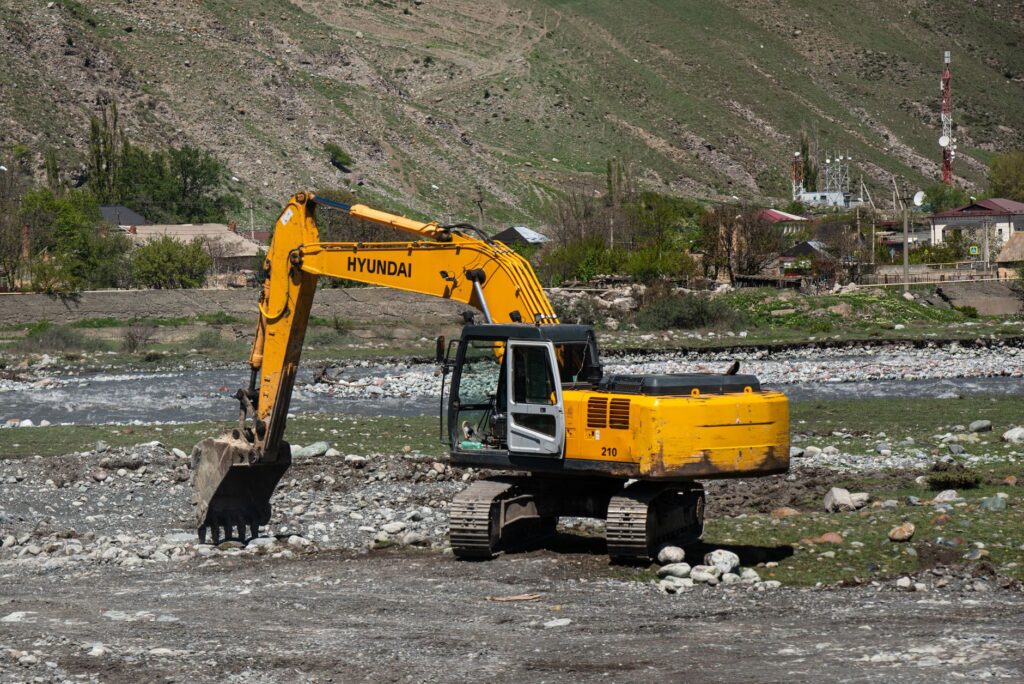
The political landscape in Jammu and Kashmir has seen a surge in tension following reports of heavy machinery operating near the ecologically sensitive Sheshnag Lake. The deployment of excavators in such a fragile alpine environment drew sharp criticism from regional leaders, who questioned the rationale behind using heavy equipment in protected highland zones.
Ministerial Defense and Official Stance
Addressing the escalating controversy, the region’s forest minister stepped forward to provide a definitive defense of the actions taken on the ground. According to the official statement, the Border Roads Organisation holds full authorization for the deployment of these machines. The minister emphasized that the work being carried out is strictly for essential infrastructure development and winter mobility enhancement, dismissing claims of deliberate ecological vandalism.
Political Fallout and Leadership Reactions
The intervention by the forest minister follows intense scrutiny from prominent political figures in the union territory. Leaders such as Mehbooba Mufti and Omar Abdullah had previously voiced profound concern over the potential environmental degradation of the high-altitude lake. The deployment of excavators sparked a wider debate on balancing critical border infrastructure needs with rigorous environmental safeguards in the ecologically vulnerable Himalayan terrain.
Path Forward for Ecological Oversight
As the debate continues to unfold, environmentalists and regional lawmakers are urging heightened transparency regarding infrastructure projects in high-altitude zones. While the administration maintains that the Border Roads Organisation is operating within legal and operational bounds, pressure remains high to ensure that conservation protocols are strictly enforced to protect sensitive water bodies across the region.