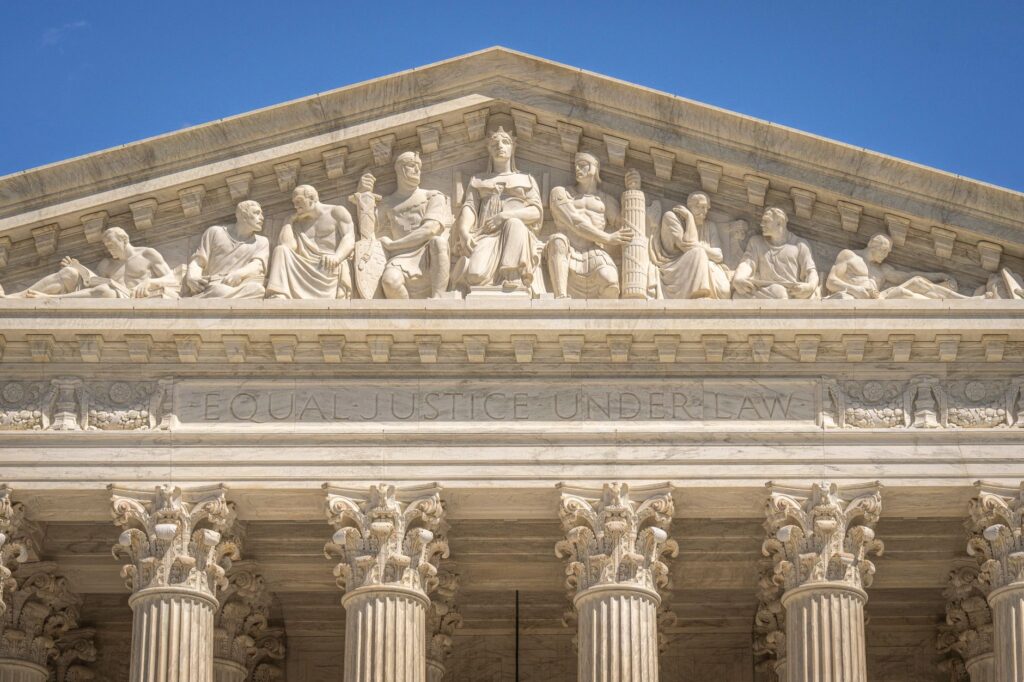

Defining the Modern Media Landscape
The judicial system is preparing to tackle one of the most complex definitions in the modern information age. Authorities are tasked with determining exactly who qualifies as a professional member of the press. This upcoming legal review aims to establish clearer boundaries regarding protection for scribes and media workers across the country.
The Evolution of Digital Content Creation
In the past, identifying a member of the press was a straightforward matter tied to traditional print publications and broadcast television networks. Today, the rise of digital platforms, independent blogging, and citizen reporting has blurred these lines significantly. Anyone with a smartphone can broadcast information to a global audience within seconds.
This democratization of information brings incredible benefits to public discourse. However, it also creates substantial challenges for judicial bodies and lawmakers trying to apply legal protections uniformly. The core question before the highest court involves separating verified news gatherers from casual commentators or content creators.
Legal Protections and Professional Accountability
Protections granted to media professionals often include source confidentiality, defense against unwarranted arrests, and safe access to volatile news scenes. When state entities or private actors challenge these rights, determining eligibility becomes a crucial legal battleground.
If the definition is cast too widely, non-journalistic entities might misuse protections to evade standard legal liabilities. Conversely, if the criteria are drawn too strictly, genuine investigative reporters and whistleblowers might lose essential safeguards necessary for holding powerful institutions accountable.
Implications for Freedom of Speech
The upcoming deliberations carry massive implications for freedom of expression and the constitutional rights of information providers. Legal experts anticipate intense debates surrounding the criteria that should differentiate a recognized media worker from an ordinary citizen publisher.
As the highest court begins examining these arguments, industry stakeholders are watching closely. The resulting verdict will likely shape the future of media regulations, defining the rights and responsibilities of information gatherers for years to come.