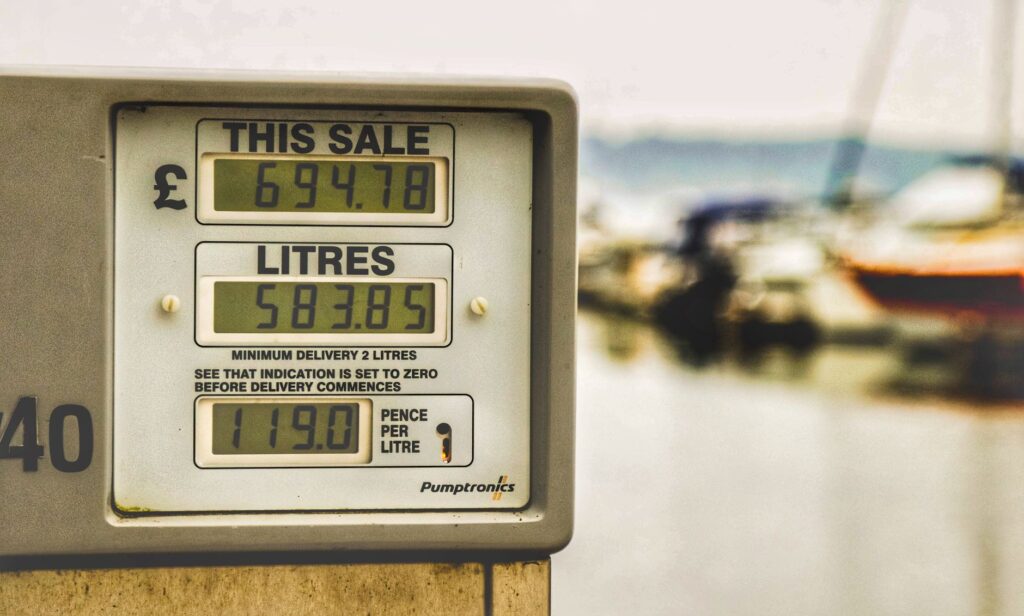

Global energy markets experienced a downward shift recently as benchmark crude quotations retreated significantly. International attention has turned toward key supply routes and production infrastructure following targeted incidents in the Middle East. Analysts and traders are closely monitoring these developments to gauge the potential long-term impacts on global petroleum distribution and inventory levels.
Market Reaction and Price Movements
Brent crude futures dropped below the critical threshold of $94 per barrel during the trading session. This downward movement surprised numerous market observers who anticipated upward pressure due to geopolitical tensions in the region. The sudden price correction highlights the complex interplay between physical supply risks and broader macroeconomic sentiments affecting energy commodities worldwide.
Geopolitical Tensions and Infrastructure Vulnerabilities
The downward price trend comes in the wake of reported Houthi attacks targeting refining facilities in Saudi Arabia. Such incidents traditionally trigger fears of immediate supply constraints, often driving prices higher. However, current market reactions suggest that traders are weighing multiple competing factors, including global demand forecasts and existing strategic petroleum reserves, which may be mitigating the immediate shock of the refinery assaults.
Strait of Hormuz Shipping Concerns
Adding to the market volatility are persistent anxieties regarding maritime transit through the Strait of Hormuz. As a vital chokepoint for a substantial portion of the world’s petroleum exports, any perceived disruption in this corridor typically instills caution among shipping operators and energy firms. Despite these fears, maritime traffic has largely continued, helping to alleviate extreme panic buying and stabilizing pricing levels in the short term.
Implications for Global Consumers
Fluctuations in international petroleum benchmarks inevitably influence domestic fuel costs and broader economic inflation. While the recent dip below $94 provides temporary relief for motorists and manufacturing industries, uncertainty remains high. Energy economists warn that ongoing regional instability could introduce renewed volatility, necessitating vigilant monitoring of both geopolitical events and inventory reports in the coming weeks.