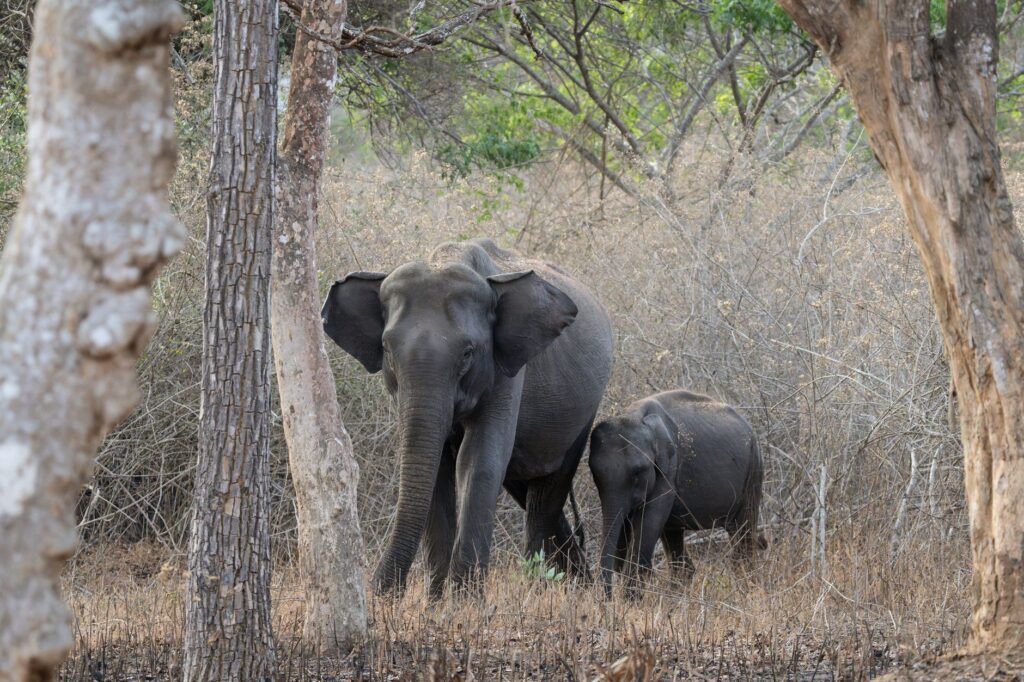

The ongoing human-wildlife conflict in Karnataka has reached a complex political impasse following intense resistance against a major animal relocation initiative. State authorities previously formulated a strategy to transfer fifty-six displaced elephants away from the coffee plantations in Hassan district. The destination for these animals was designated as the Bhadra wildlife region. However, this conservation measure has encountered significant obstacles as local residents and regional legislators mounted strong protests in Chikkamagaluru.
Background of the Displacement Crisis
The necessity for the relocation stems from severe habitat fragmentation and encroachment. As large mammals are continuously driven out of their natural forest environments, they frequently migrate into human-dominated landscapes such as coffee estates. The presence of fifty-six elephants in Hassan has created persistent safety concerns and economic challenges for local agricultural workers and plantation owners. State wildlife managers sought to mitigate these dangers by moving the animals to a more suitable protected sanctuary where they could roam without directly threatening human settlements.
Political and Public Resistance in Chikkamagaluru
Despite the clear ecological motives behind the proposed transfer, the execution has been effectively halted. Lawmakers representing Chikkamagaluru joined forces with community residents to oppose the influx of the displaced herds. Critics of the plan argue that introducing dozens of large wild animals into their region would escalate local conflicts, strain existing resources, and create new safety hazards for local communities. The resulting political pressure has forced decision-makers to pause the implementation of the wildlife management strategy.
Implications for Wildlife Management
The stalling of the Hassan elephant transfer highlights the intricate challenges of balancing conservation goals with public safety and regional politics in India. Wildlife authorities now face the difficult task of finding alternative solutions for the fifty-six displaced elephants. As political gridlock persists, finding a sustainable path forward that satisfies both environmental protection needs and the concerns of local residents remains an urgent priority for the state administration.