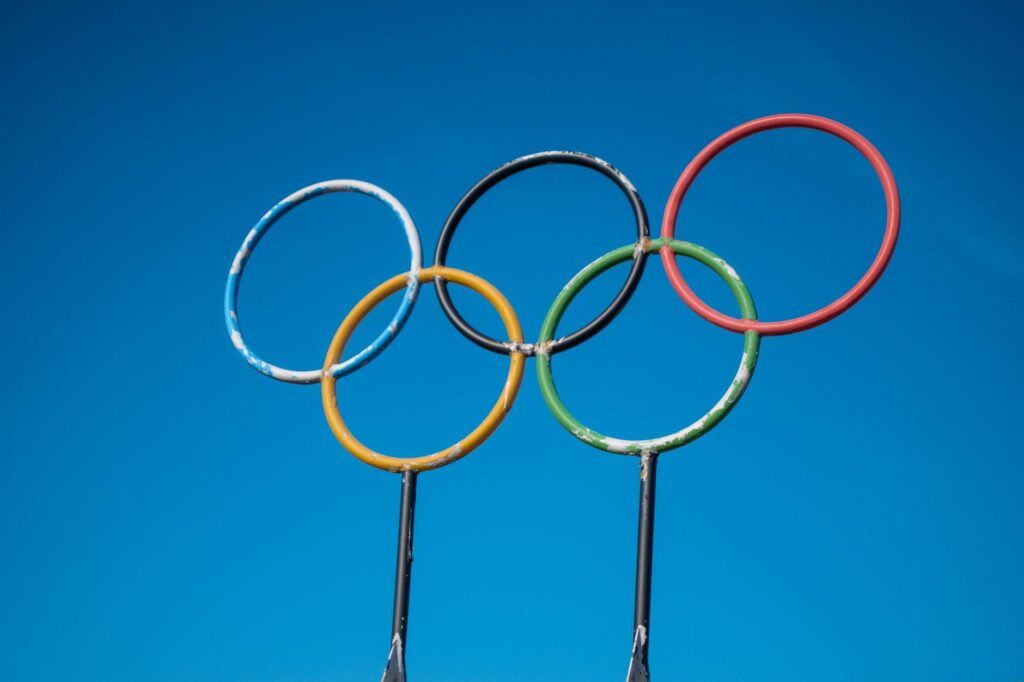

India is actively pursuing the hosting rights for the Olympic Games in the year 2036. This ambitious national ambition represents a significant step forward for the country’s sports landscape.
However, international sports authorities have raised notable concerns during the initial evaluation process. The primary challenge revolves around whether the nation can successfully transition from a cricket-dominated society into a thriving multi-sport powerhouse.
The International Olympic Committee recently engaged in discussions with national sports representatives. During these interactions, officials highlighted the deep cultural obsession with cricket across the subcontinent.
While cricket enjoys massive popularity, commercial success, and immense grassroots engagement, other Olympic disciplines often struggle for similar visibility and financial backing.
Building a Sustainable Sports Ecosystem
Hosting the Olympic Games requires vast infrastructure across numerous diverse disciplines, ranging from aquatics and gymnastics to equestrian sports and fencing.
International sports leadership wants assurance that local enthusiasm extends far beyond a single bat-and-ball game. A successful host nation must demonstrate broad public interest and participation across the entire Olympic program.
Developing elite athletes in lesser-known disciplines demands long-term financial investment, advanced coaching programs, and structured talent identification pathways from a very young age.
Government Initiatives and Progress
National sports administrators have pointed out recent positive trends in non-cricket disciplines. Over the past decade, homegrown athletes have achieved unprecedented success on global stages.
Medal-winning performances in athletics, javelin throw, badminton, weightlifting, and shooting have captured the public imagination and inspired a new generation of youth.
Grassroots funding schemes and elite athlete support programs have expanded significantly, providing better training facilities, sports science integration, and international exposure.
Overcoming Cultural and Infrastructural Hurdles
Despite these advancements, bridging the gap between cricket and other sports remains a formidable challenge. Media coverage and corporate sponsorships are still heavily skewed toward a single sport.
To satisfy international expectations, sports authorities must convince global leaders that the upcoming decade will witness a profound cultural shift in how society consumes and values alternative sports.
Furthermore, the physical infrastructure being proposed for the 2036 event must be designed with long-term utility in mind, avoiding white elephants and ensuring continuous use by local communities and aspiring multi-sport athletes.
The Road Ahead for the Bid
The dialogue between national delegates and the international sports body is ongoing. The upcoming years will be critical in shaping the final decision on the host city.
Demonstrating a genuine, widespread passion for a diverse range of athletic competitions will be the deciding factor in convincing the world that the country is truly ready for the ultimate sporting event.
By fostering a balanced athletic culture, the nation hopes to prove that its Olympic dream is built on a solid, inclusive foundation that celebrates every sport equally.