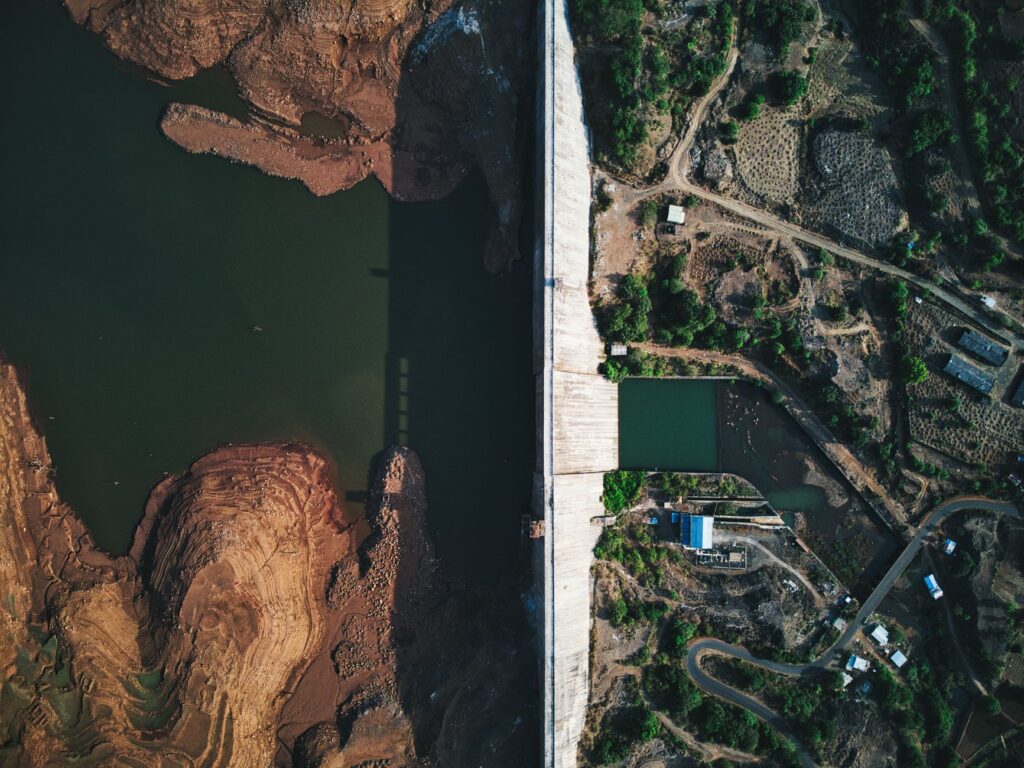

In an aggressive push toward long-term resource management and climate resilience, the government of Maharashtra has issued a decisive policy directive requiring the construction of check dams at all newly planned bridges across the state. According to reports from Hindustan Times, senior leadership has mandated that these engineering interventions must guarantee a minimum water retention height of one meter beneath every newly constructed bridge.
This infrastructural policy bridges the gap between public works and environmental sustainability, directly addressing the recurring water scarcity challenges that impact both agrarian and urban communities within the state. By integrating water harvesting structures directly into standard bridge construction, the administration aims to maximize natural resource capture without requiring standalone watershed projects.
Key Takeaways:
- Mandatory Infrastructure: Maharashtra has mandated check dam construction at all newly built bridges throughout the state.
- Water Retention Standard: Engineering designs must ensure a minimum of one meter of water is retained beneath every new bridge.
- Policy Objective: The initiative spearheaded by leaders like Chandrashekhar Bawankule is designed to significantly increase regional water storage capacity.
Strategic Implications for Water Governance
Water security remains one of the most critical public policy challenges in western India. Seasonal rainfall variations frequently lead to agricultural stress, groundwater depletion, and acute drinking water shortages during peak summer months. By leveraging existing infrastructure investments—such as roadways and bridges—the government is adopting a multi-use approach to civil engineering.
As detailed in reporting by Hindustan Times, Chandrashekhar Bawankule emphasized that the primary objective of this statewide mandate is to systematically boost water storage capacity. Ensuring that at least one meter of water is retained beneath every bridge transforms standard transit architecture into active hydrological conservation assets.
Integrating Public Works and Environmental Sustainability
Traditionally, bridge construction focuses primarily on load-bearing capacity, span efficiency, and vehicular safety. The Maharashtra policy redefines public works compliance by incorporating ecological parameters into the foundational planning stage. Key aspects of this integration include:
- Cost-Effective Conservation: Utilizing the structural piers and abutments of bridges reduces the separate capital expenditure typically required for standalone check dam projects.
- Groundwater Recharge: Sustained water pooling over longer periods promotes localized percolation, positively recharging depleted aquifers in surrounding rural and semi-urban areas.
- Ecosystem Support: Maintaining consistent surface moisture supports local biodiversity and secures reliable water access for nearby farming communities.
Broader Economic and Regional Impact
For a predominantly agrarian economy like Maharashtra, reliable water availability directly translates to economic stability for rural households. Mitigating the impacts of dry spells reduces crop loss, stabilizes local commodity markets, and curtails distress migration to urban centers.
Public policy experts note that embedding resource conservation into routine infrastructural approvals represents a mature governance model. Rather than reacting to droughts through emergency relief, proactive infrastructure mandates ensure structural resilience over decades of operation. As implementation begins across various districts, compliance and engineering standards will play a vital role in realizing the full potential of this state-level water conservation strategy.