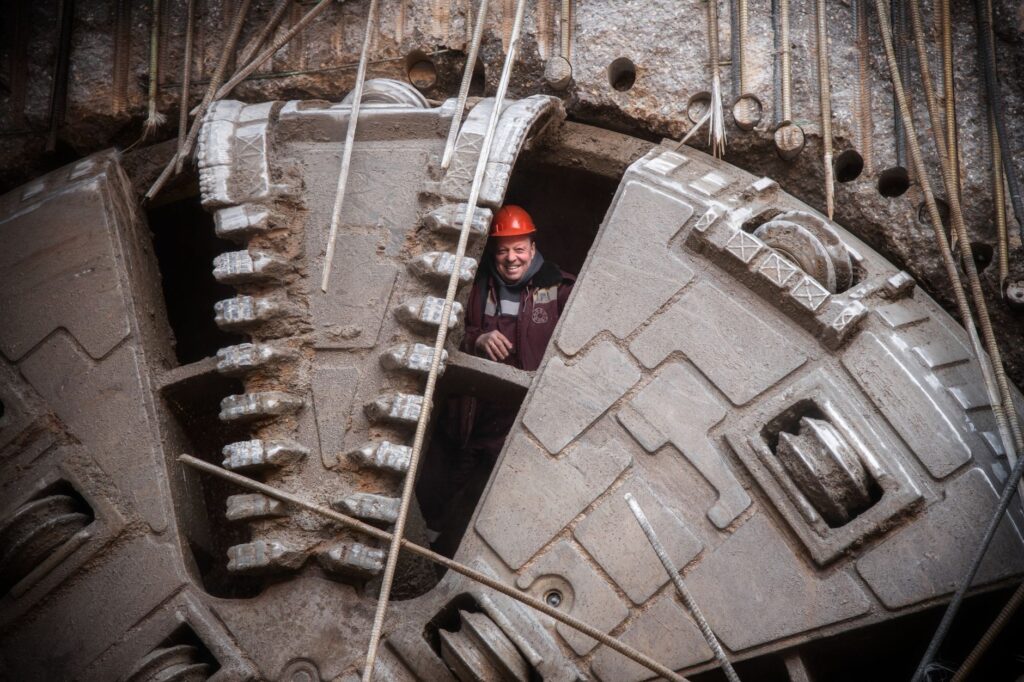

As India accelerates its massive infrastructure expansion, particularly in complex tunneling projects for railways, highways, and hydro-power, the demand for specialized machinery has skyrocketed. However, a recent report highlighted by journalist Dheeraj Mishra and published in The Indian Express cautions that India’s strategic push for indigenous construction equipment, including Tunnel Boring Machines (TBMs), must be carefully calibrated to avoid becoming a counterproductive anti-China drive.
The debate touches upon critical intersections of national security, domestic manufacturing capabilities, and the pragmatic realities of large-scale public infrastructure execution. As policymakers evaluate supply chain dependencies, experts argue that sudden protectionist shifts could inadvertently delay vital public projects.
Key Takeaways:
- Strategic Infrastructure Demand: India’s rapid transit, rail, and hydro-power expansions rely heavily on advanced Tunnel Boring Machines.
- Policy Cautions: A recent report cautions against rigid, blanket restrictions on Chinese equipment imports.
- Balancing Manufacturing Goals: The push for self-reliance under Make in India must account for current technological gaps and immediate project timelines.
The Strategic Importance of Tunnel Boring Machines in India
Tunnel Boring Machines are monumental pieces of engineering designed to excavate tunnels with circular cross-sections through a variety of strata, ranging from hard rock to soft sand. In recent years, India has deployed hundreds of TBMs to fast-track challenging terrain projects, especially in the Himalayan region and dense urban metro rail networks.
According to reporting by Dheeraj Mishra on The Indian Express, the heavy reliance on global supply chains—dominantly anchored by Chinese manufacturers—presents a complex dilemma for Indian planners. While the government aims to foster domestic manufacturing capabilities to reduce external vulnerabilities, the immediate technical expertise and manufacturing scale for high-end TBMs remain heavily concentrated abroad.
Balancing Domestic Manufacturing with Project Deadlines
The core policy challenge lies in balancing the long-term objective of self-reliance with the short-term imperative of timely infrastructure delivery. Major national projects such as underground metro corridors and strategic border tunnels operate under strict timelines and budgets.
Governance Implications: Imposing abrupt import restrictions or punitive tariffs without a mature domestic alternative risks stalling critical public works. Analysts suggest that a phased transition, supported by technology transfer agreements and targeted financial incentives, is far more viable than an exclusionary trade stance.
Navigating Geopolitical Realities and Economic Growth
India’s broader economic policy heavily emphasizes economic resilience and reducing strategic vulnerabilities. However, sector analysts emphasize that heavy machinery like TBMs requires immense capital investment, specialized metallurgy, and decades of engineering refinement.
Rather than framing equipment sourcing solely through a geopolitical lens, the report underscores the necessity of fostering competitive domestic industries through strategic partnerships and robust research and development investments. Ensuring that public policy supports both rapid infrastructural growth and sustainable industrial development remains paramount for India’s macroeconomic trajectory.