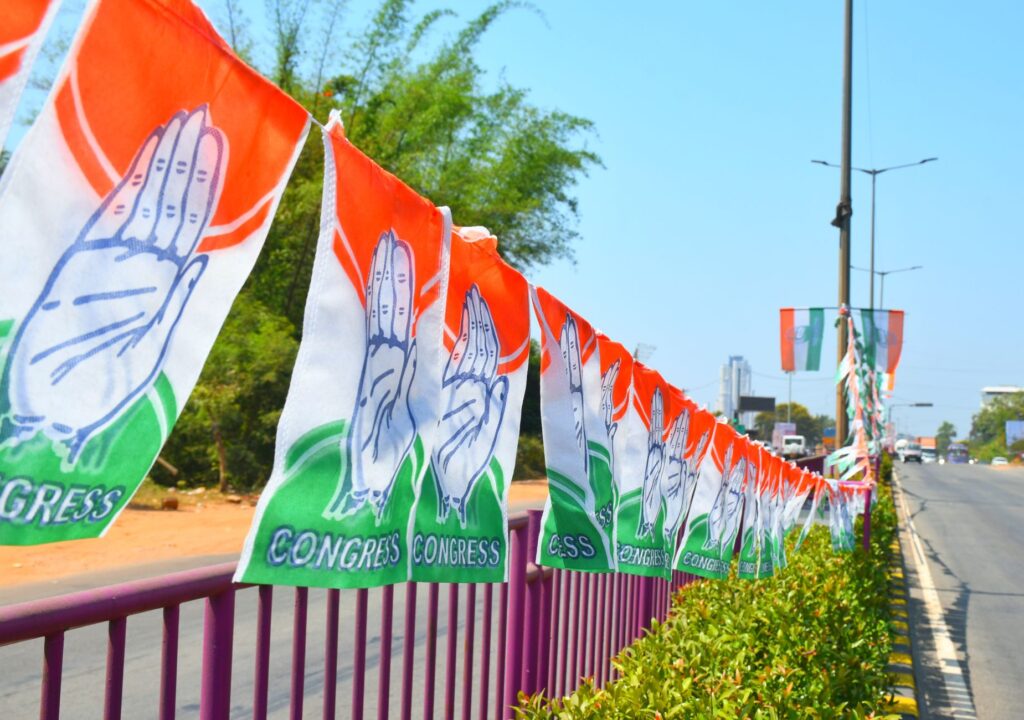

Political realignments have always played a crucial role in shaping electoral outcomes in Indian democracy. In the landscape of Tamil Nadu politics, the Dravida Munnetra Kazhagam (DMK) has demonstrated a dynamic approach to coalition-building over the decades. According to reporting by Hindustan Times (Source), the party’s strategic trajectory reveals consistent collaboration patterns at the national level.
Key Takeaways:
- The DMK renewed its alliance with the Congress party ahead of the 2004 Lok Sabha elections.
- Except for the 2014 general elections, the DMK and Congress have contested every subsequent Lok Sabha election together.
- Coalition strategy remains a cornerstone of the DMK’s electoral framework in national politics.
The Strategic Shift in 2004
Coalition politics in India underwent a major transformation at the turn of the millennium. For the DMK, the decision to align with the Congress party ahead of the 2004 Lok Sabha elections marked a definitive turning point. This partnership proved to be mutually beneficial, consolidating secular and regional forces to secure significant electoral victories in Tamil Nadu and contributing heavily to national governance formations.
Consistency in Coalition Building
Alliance continuity is a rare feature in modern Indian electoral history, where political parties frequently switch partners based on shifting regional dynamics. However, the DMK’s relationship with the Congress established a sturdy precedent. With the sole exception of the 2014 Lok Sabha elections—where the DMK contested independently—the two parties have maintained an unbroken electoral partnership for over two decades.
Implications for National Governance and Regional Politics
The ability of regional parties like the DMK to anchor national coalitions highlights the federal nature of Indian democracy. By maintaining stable alliances, the DMK has historically ensured that regional aspirations and state-specific policy priorities find representation at the national level. As political realignments continue to evolve toward 2026, understanding these historical partnership patterns provides essential context for analyzing contemporary Indian politics.