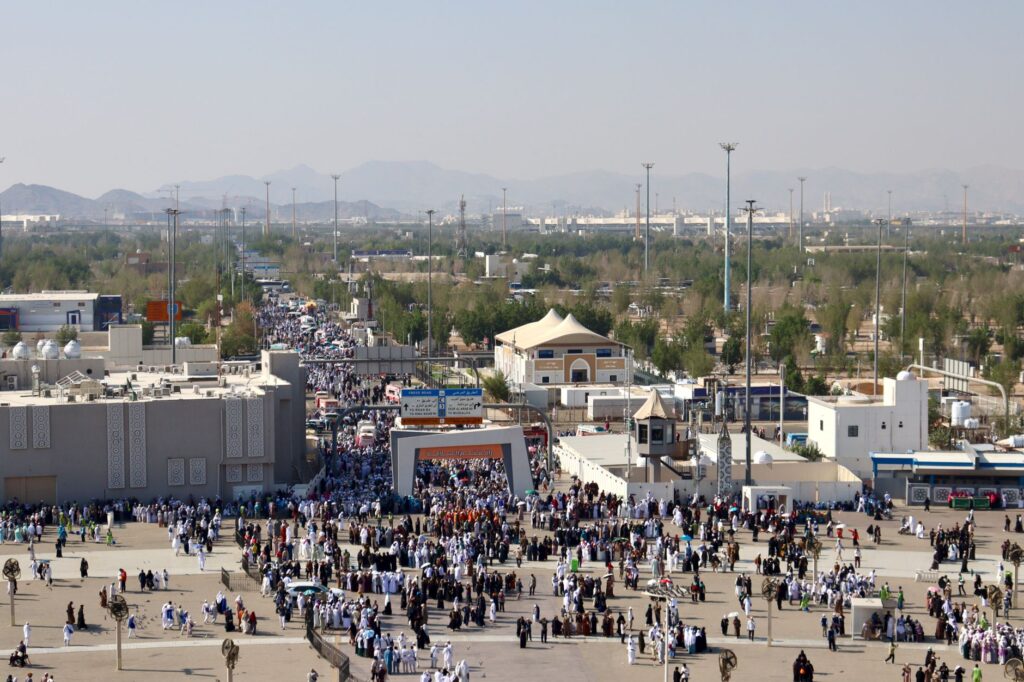

International reactions have intensified following escalating security incidents across the Middle East, highlighting the profound risks these conflicts pose to global stability, diplomatic relations, and civilian safety. According to reporting by The Indian Express, international bodies and governments are closely monitoring the unfolding crisis involving regional actors, the United States, Iran, Saudi Arabia, and Houthi movements.
Key Takeaways:
- Global Muslim bodies have formally condemned recent Houthi attacks directed at Saudi Arabia.
- Security concerns have mounted following reports of casualties, including foreign nationals, in regional incidents such as an attack in Kuwait.
- The broader geopolitical landscape remains tense as international stakeholders navigate intersecting conflicts spanning the Middle East and Eastern Europe.
International Diplomatic Responses
Major international organizations and Islamic bodies have voiced strong disapproval of military escalations targeting sovereign infrastructure and civilian zones. The condemnation of Houthi actions against Saudi Arabia underscores a collective anxiety regarding maritime security, energy supply chains, and the broader protection of civilian populations in the Arabian Peninsula.
The Impact on Regional Diplomacy
Diplomatic channels are under severe strain as state actors attempt to de-escalate hostilities. Analysts emphasize that sustained attacks on regional partners not only disrupt local stability but also complicate international peace initiatives involving major global powers like the United States and various European nations.
Casualties and Incidents Involving Foreign Nationals
The human cost of the ongoing geopolitical instability has extended beyond immediate combatants. Recent reports highlighted tragic incidents, including the deaths of foreign nationals such as two Italians killed in an attack in Kuwait. Such developments draw international law enforcement and consular services into the crisis, prompting heightened security alerts across diplomatic missions in the region.
Broader Geopolitical Context
The situation in the Middle East does not occur in a vacuum. Policymakers and international relations experts continue to link regional tensions with wider global flashpoints, including ongoing conflicts involving Russia, Ukraine, and shifting US foreign policy under the administration of Donald Trump. This interconnected web of alliances and conflicts complicates diplomatic efforts to establish lasting peace and security.
As international reporting continues to track these developments, the imperative for robust diplomatic intervention, protection of non-combatants, and adherence to international humanitarian law remains paramount for global governance and regional security.