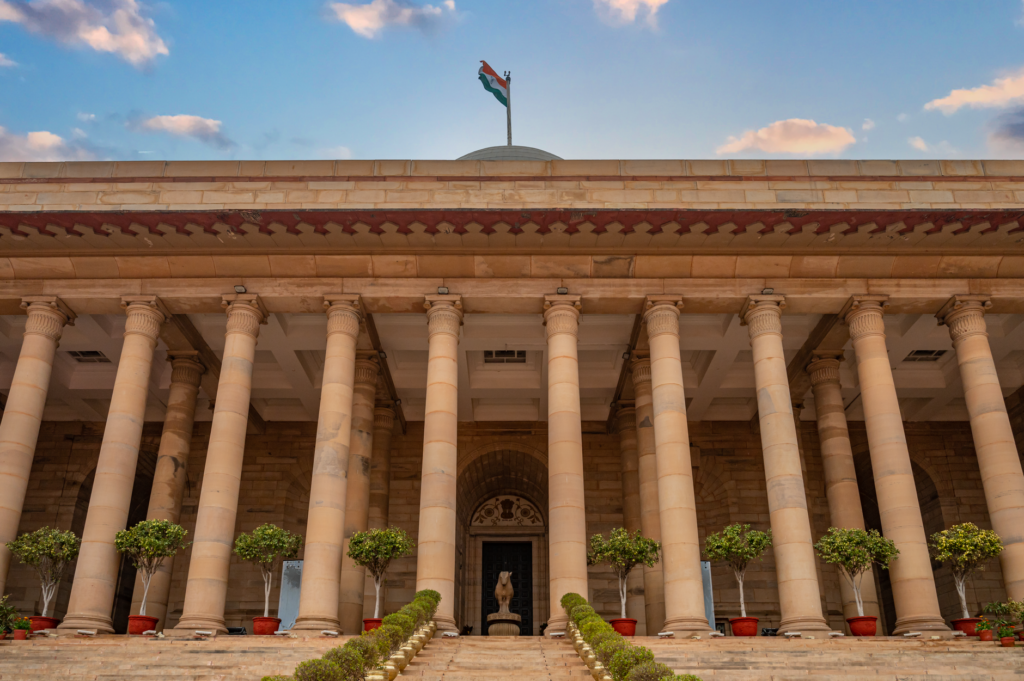

Recent political discourse in India has placed renewed focus on the structural composition of the national parliament, with key regional leaders advocating for a major expansion of the lower house. According to reporting by Hindustan Times, prominent political figures N. Chandrababu Naidu and H.D. Kumaraswamy have publicly described a proposed 50 percent expansion of the Lok Sabha as a win-win scenario for the nation, while calling for a broad-based political consensus.
Key Takeaways:
- N. Chandrababu Naidu and H.D. Kumaraswamy have endorsed a 50% expansion of the Lok Sabha.
- Both leaders characterize the legislative proposal as a beneficial win-win development for national governance.
- Kumaraswamy criticized the Congress party for generating confusion surrounding the expansion bills.
- Proponents are actively urging the political opposition to foster a unified consensus on the matter.
Political Alignment on Parliamentary Expansion
The endorsement of the Lok Sabha seat increase by senior leaders highlights a growing conversation regarding legislative representation and constituency sizes in India. As populations grow, the administrative and representative burdens on individual members of parliament increase correspondingly. Supporters of the expansion argue that increasing the number of seats will ensure better representation for citizens across various states.
Criticism and Calls for Consensus
During discussions surrounding the legislative initiative, H.D. Kumaraswamy strongly criticized the Congress party. He accused the opposition party of deliberately creating confusion regarding the proposed bills. Furthermore, Kumaraswamy emphasized that the electorate would not look favorably upon political entities that choose to obstruct or oppose the necessary legislative measures for parliamentary growth.
Implications for National Governance
The push for expanding the Lok Sabha touches upon fundamental questions of federalism, representation, and legislative efficiency. Proponents maintain that an expanded parliament can more effectively address the diverse needs of India’s massive population. However, achieving this structural shift requires careful navigation of political dynamics, particularly concerning the distribution of seats among different states and the necessity of achieving a bipartisan consensus.