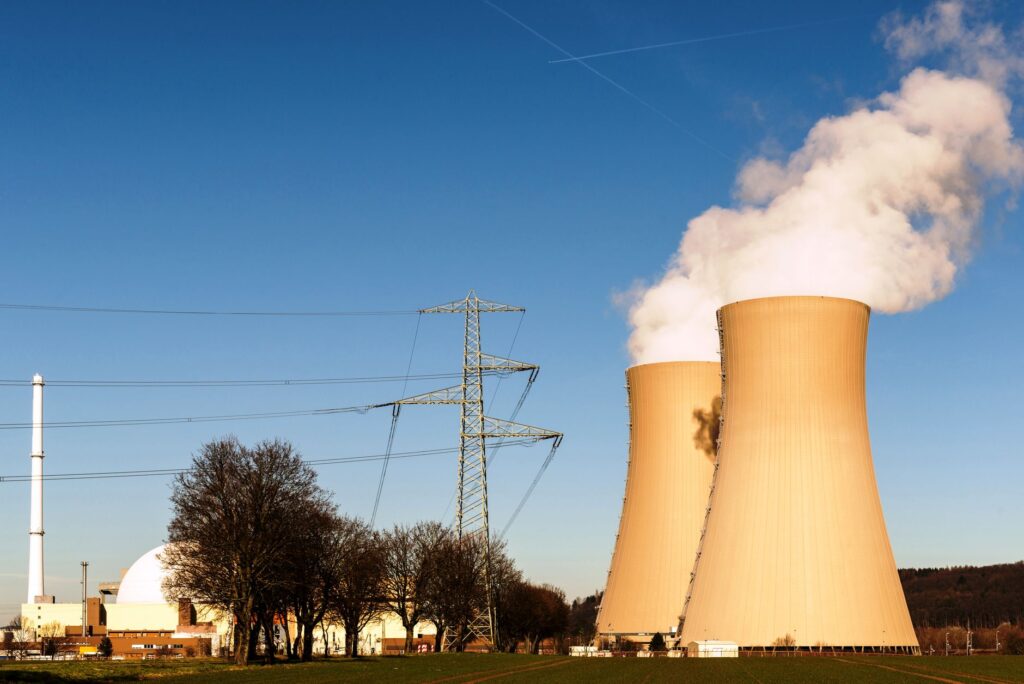

Taiwan has officially voted to end its long-standing nuclear-free homeland policy, marking a significant shift in national energy governance and public policy. As reported by Hindustan Times, this decision opens the door for the island to reconsider nuclear power as part of its broader infrastructure and energy strategy.
Key Takeaways:
- Taiwanese voters have chosen to sunset the nuclear-free homeland policy.
- The cabinet, known as the Executive Yuan, announced it will respect the election outcome.
- The resumption of nuclear energy is strictly contingent upon meeting three specific conditions.
Governance and Policy Implications
The decision to revisit nuclear power carries profound implications for Taiwan’s national energy security, economic stability, and environmental commitments. Transitioning away from a strictly non-nuclear stance requires comprehensive legislative adjustments and rigorous safety assessments.
The Executive Yuan Stance
Following the vote results, Taiwan’s cabinet, the Executive Yuan, formally stated that it will respect the democratic mandate delivered by the public. However, leadership emphasized that the revival of nuclear energy is not an immediate guarantee and will only proceed under strict regulatory and safety frameworks.
Three Conditions for Nuclear Revival
According to the Executive Yuan, any future integration of nuclear power into Taiwan’s power grid must satisfy three foundational prerequisites:
- Absolute safety standards must be met and verified by regulatory authorities.
- A viable, long-term solution for nuclear waste management must be established.
- There must be broad public consensus and legislative support for the operational restart.
These conditions reflect the delicate balance policymakers must strike between meeting rising industrial energy demands and addressing public safety concerns regarding nuclear infrastructure.