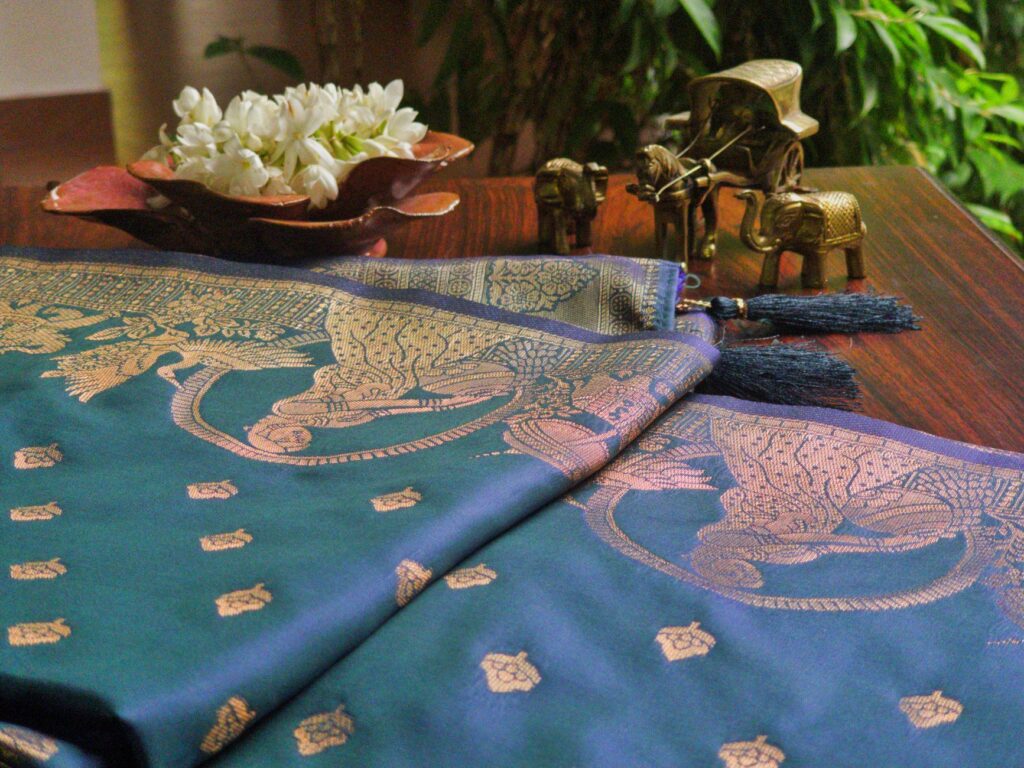

Recent exhibitions charting the profusion of Banarsi textiles offer a profound lesson in cultural heritage and craftsmanship: there is no singular Banarasi weave, no single motif, technique, yarn, or price point that defines this legendary textile tradition. According to reporting by Hindustan Times, these showcases reveal the immense complexity and depth behind the craft.
Key Takeaways:
- Banarasi textiles encompass a vast array of techniques, yarns, and motifs rather than a single standardized style.
- Exhibitions highlighting these weaves demonstrate the historical and economic diversity of Varanasi’s textile traditions.
- Understanding the true scope of Banarasi weaves requires looking beyond commercial generalizations to appreciate artisan craftsmanship.
The Diversity of Banarasi Textiles
For centuries, the city of Varanasi has been synonymous with exquisite handloom weaving. However, reducing Banarasi fabrics to a monolithic category overlooks the incredible variety present in the region. From lightweight cottons and organzas to heavy silk brocades, the spectrum of production is vast.
Motifs and Techniques
The artistry embedded in Banarasi weaves stems from a blending of cultural influences, local innovations, and generational expertise. Artisans utilize diverse techniques—ranging from kadwa and cutwork to tissue and tanchoi weaving—each imparting a distinct texture and visual aesthetic to the fabric. Motifs vary wildly from traditional floral and fauna patterns to intricate geometrical designs influenced by Persian and Mughal aesthetics.
Economic and Cultural Significance
Beyond aesthetics, the Banarasi textile industry forms a vital backbone for the regional economy of Uttar Pradesh, supporting thousands of weavers, dyers, and traders. Recognizing the multiplicity of Banarasi weaves helps policymakers, consumers, and cultural preservationists appreciate the distinct challenges faced by different segments of the artisan community.
Preserving Heritage in Modern Markets
As modern manufacturing and powerloom competition challenge traditional handloom sectors, initiatives that document and showcase the true diversity of Banarasi textiles play a crucial role in public awareness. By highlighting the unique value of authentic handloom products, stakeholders can better protect traditional artisans and ensure the sustainability of this invaluable cultural legacy.