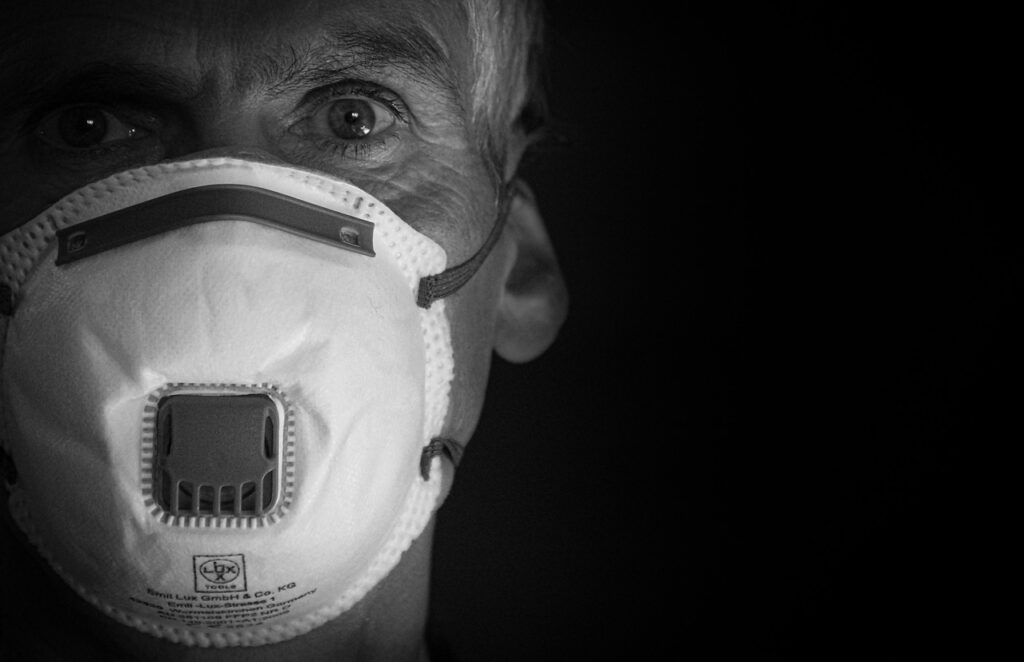

Eighteen American travelers have been released from an unprecedented 42-day quarantine at a specialized medical facility in Nebraska after being exposed to the lethal Hantavirus aboard a cruise ship, marking one of the longest domestic health isolations in recent years.
Federal health authorities mandated the strict biocontainment protocol after routine monitoring detected rodent-borne pathogen contamination within select passenger sections during an international voyage. The decision highlights the aggressive measures regulatory agencies deploy when confronting high-mortality pathogens in enclosed, high-density environments.
Background: Understanding Hantavirus and Incubation Risk
Hantavirus is a severe, potentially fatal respiratory disease transmitted through contact with infected rodent excreta, urine, or saliva. While human-to-human transmission remains extremely rare, inhaling aerosolized dust containing the virus poses a lethal risk in confined spaces.
Data from the Centers for Disease Control and Prevention (CDC) indicates that Hantavirus Pulmonary Syndrome (HPS) carries a mortality rate of approximately 38 percent. Because the incubation period can stretch up to six weeks, health authorities enforced a full 42-day observation window to prevent any risk of community transmission.
Cruise ships present distinct epidemiological challenges due to centralized ventilation systems and shared communal spaces. While standard shipboard outbreaks typically involve norovirus or influenza, vector-borne threats demand far more stringent containment procedures.
Inside the Facility: The Human Cost of Extended Confinement
The individuals were isolated at the Nebraska National Quarantine Center, the primary federal unit designed for high-consequence pathogen observation. Passengers remained restricted to individual negative-pressure rooms, undergoing daily laboratory testing and continuous clinical monitoring.
Despite receiving state-of-the-art medical care, those quarantined reported severe emotional distress throughout the six-week ordeal. The inability to open windows, touch family members, or step outside created an overwhelming sense of captivity and disorientation.
Communication with medical personnel occurred primarily via video feeds and intercommunication systems. Meals and supplies were delivered through sealed, double-doored pass-through chambers to maintain strict biosafety boundaries.
Expert Perspectives and Psychological Impact
Epidemiologists maintain that the long observation period was medically justified despite the personal toll on patients. ‘When facing a pathogen with a near 40 percent fatality rate, health officials must operate with zero tolerance for error,’ stated Dr. Marcus Vance, a public health protocol researcher.
However, psychological research underscores the consequences of prolonged isolation. Studies published in leading medical journals demonstrate that quarantine periods exceeding two weeks substantially increase the prevalence of post-traumatic stress symptoms, severe anxiety, and long-term psychological strain.
Public health experts stress that mental health support must be integrated directly into biosecurity protocols alongside physical health monitoring to mitigate long-term trauma for isolated individuals.
Public Health Implications and Industry Changes
The incident is prompting swift regulatory reviews within the international maritime industry. Vessel operators face growing pressure to overhaul pest mitigation procedures, HVAC filtration standards, and emergency isolation protocols.
Legal scholars point out that public health quarantines highlight a persistent tension between individual civil liberties and national biosecurity mandates. While federal law grants broad authority during potential outbreaks, the psychological impact on detainees will likely drive calls for statutory limits and better patient-rights safeguards.
Health agencies are currently compiling data from the Nebraska quarantine to refine future biocontainment directives. Regulatory bodies are expected to announce updated sanitation mandates for commercial cruise liners operating in high-risk zones later this year.