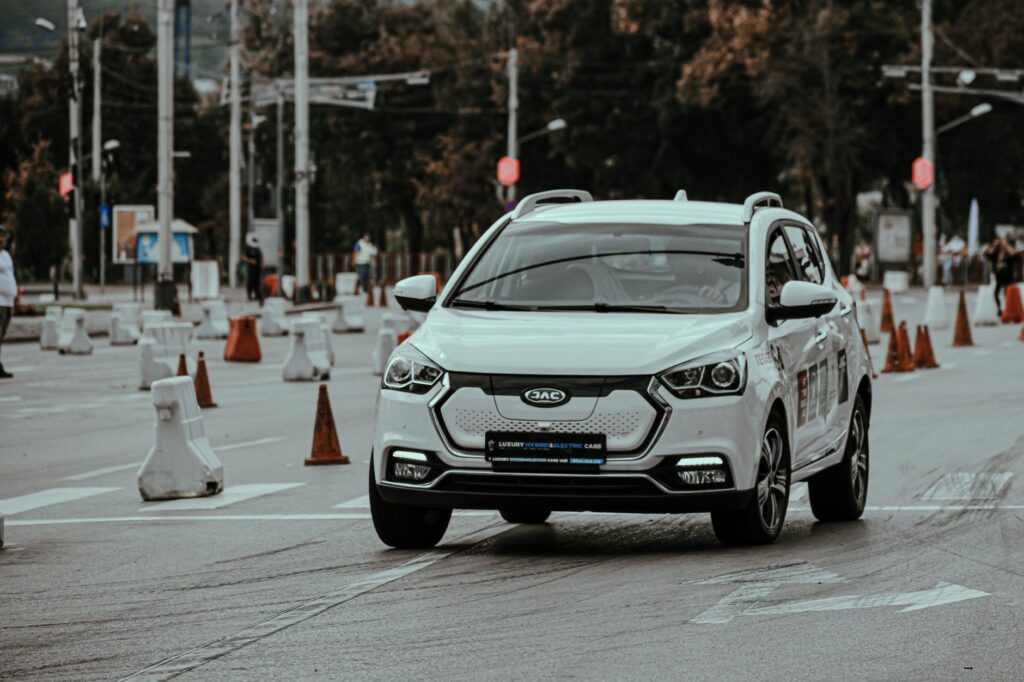

Maruti Suzuki India Limited secured a top-tier five-star safety rating from the Bharat New Car Assessment Program (Bharat NCAP) for its popular compact SUV, the New Brezza, cementing a major shift in the automaker’s product strategy. The rating reflects strong performance in both adult and child occupant protection during rigorous crash testing at indigenous assessment facilities in India.
Expanding the High-Safety Portfolio
The addition of the New Brezza expands Maruti Suzuki’s growing stable of five-star rated vehicles under the Bharat NCAP protocol. The compact SUV joins the newly refreshed Dzire compact sedan, the Victoris SUV, the premium Invicto MPV, and the all-electric e VITARA.
This portfolio expansion highlights a concerted effort by India’s largest automaker to standardize high safety benchmarks across diverse powertrain options and price points. Once dominated by entry-level efficiency, Maruti Suzuki’s line-up now covers mass-market sedans, sub-four-meter SUVs, premium cross-over MPVs, and battery electric vehicles with top safety credentials.
The Context of India’s Safety Evolution
The Indian automotive landscape has undergone rapid regulatory and structural changes over the past decade. Historically reliant on international testing bodies such as Global NCAP, India launched Bharat NCAP under the Ministry of Road Transport and Highways to establish localized, stringent vehicle safety protocols tailored to domestic traffic conditions.
Bharat NCAP evaluates vehicles based on three core areas: Adult Occupant Protection (AOP), Child Occupant Protection (COP), and the integration of active and passive safety assist technologies. Achieving a five-star rating requires vehicles to demonstrate exceptional structural integrity during frontal offset, side impact, and side pole impact tests, along with mandating critical safety hardware.
Engineering and Structural Enhancements
The New Brezza’s top rating is backed by Suzuki’s Total Effective Control Technology (TECT) platform, engineered to efficiently absorb and disperse crash energy away from the cabin. High-tensile steel forms the core structure, reducing passenger cell deformation upon heavy impact.
Alongside structural rigidity, standard equipment across trims has played a pivotal role in achieving top safety scores. The vehicle features six airbags, Electronic Stability Program (ESP), Hill Hold Assist, ABS with EBD, and ISOFIX child seat anchorages as key contributing parameters to its evaluation scores.
Market Dynamics and Consumer Shift
Industry data indicates a decisive pivot in Indian consumer buying behavior over the last five years. While fuel economy and resale value historically governed purchasing decisions, vehicle crash safety ratings have surged into top-tier buying criteria for urban and suburban car purchasers alike.
Rival domestic manufacturers like Tata Motors and Mahindra & Mahindra initially captured consumer attention by highlighting top safety scores early in the decade. Maruti Suzuki’s broad deployment of five-star rated models directly addresses this competitive dynamic, neutralizing earlier criticisms regarding structural safety in mass-market vehicles.
Industry Implications and What to Watch Next
The broad adoption of five-star ratings across Maruti Suzuki’s volume drivers raises the baseline for the entire Indian compact and subcompact SUV segments. Competitors in the segment will face increased pressure to make advanced safety technologies standard across base variants rather than restricting them to premium trims.
Automotive analysts expect this shift to accelerate the adoption of Advanced Driver Assistance Systems (ADAS) and occupant protection tech in mass-market vehicles across India. Market observers will be closely watching upcoming Bharat NCAP crash test results for rival sub-four-meter crossovers, as well as the commercial rollout and real-world safety performance of Maruti’s upcoming e VITARA electric crossover.