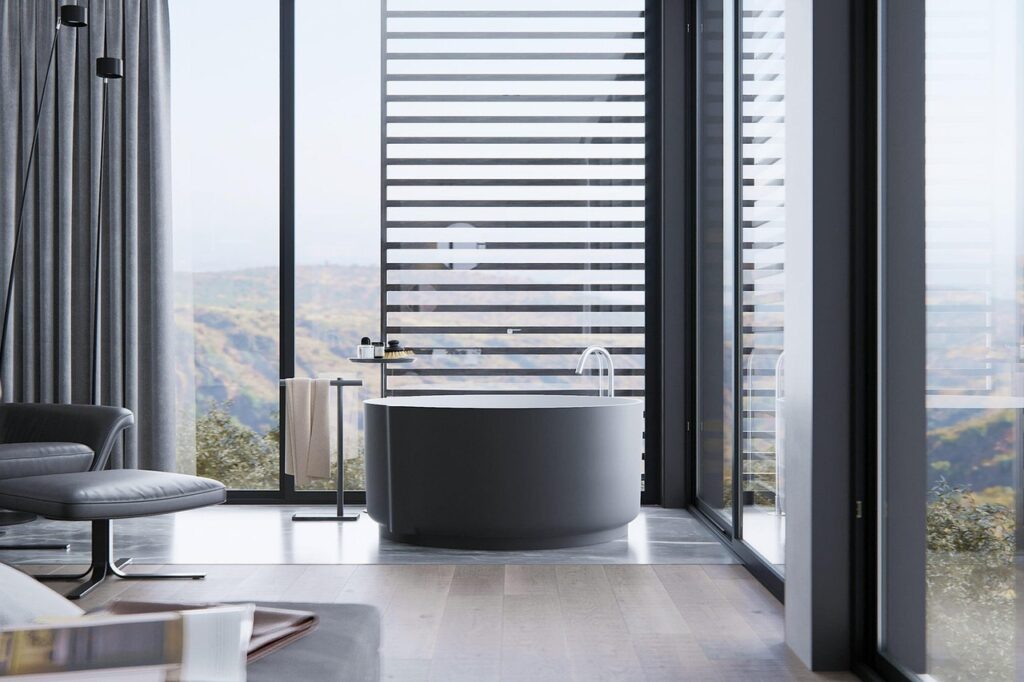

In the quiet, tree-lined residential enclave of Alwarpet, Chennai, design firm Alara Studio has completed a transformation of a contemporary apartment into a sanctuary of understated elegance. Executed this year, the interior redesign blends muted neutral palettes, bespoke furniture, and heirloom-quality craft treasures to answer a growing demand among urban homeowners for serene, restorative living environments. By prioritizing tactile authenticity over conspicuous luxury, the studio has set a compelling precedent for premium residential architecture in South India.
The Evolution of Modern Indian Interior Design
Historically, high-end residential interiors in major Indian metros leaned toward ornate detailing, polished marble surfaces, and imported Italian furnishings. However, over the past three years, a distinct paradigm shift has taken root across top-tier urban markets.
Homeowners are increasingly rejecting loud, status-driven aesthetics in favor of “quiet luxury”—a design philosophy centered on subtle sophistication, organic textures, and emotional resonance. The historic neighborhood of Alwarpet, long regarded as Chennai’s cultural and artistic hub, provides an ideal backdrop for this stylistic transition.
A Symphony of Muted Interiors and Bespoke Craft
The interior architecture of the Alwarpet apartment relies on a disciplined, reductive color scheme. Micro-cement flooring and hand-plastered walls in bone and warm taupe create a continuous backdrop that maximizes natural light throughout the open-plan layout.
To avoid sterility, Alara Studio anchored each room with custom-designed furniture pieces crafted from locally sourced teak, brushed brass, and woven cane. These bespoke elements were tailored specifically to the structural proportions of the apartment, ensuring a seamless visual flow.
A curated selection of collected artifacts adds layers of personal storytelling to the quiet spatial framework. Traditional South Indian stone carvings, hand-loomed textiles, and studio ceramics are positioned intentionally across the home, acting as visual focal points without cluttering the spatial architecture.
Data and Expert Perspectives on Artisanal Luxury
Industry metrics reflect a broader market realignment toward tailored, craft-centric interior design. According to the 2024 Global Wealth and Luxury Report by Knight Frank, over 62 percent of high-net-worth individuals in Asia now prioritize bespoke craftsmanship and authentic provenance over traditional luxury brands when decorating primary residences.
“The luxury consumer in India is evolving rapidly from acquisition to curation,” says architectural historian and design consultant Dr. Radhika Sundaram. “Projects like Alara Studio’s Chennai residence demonstrate that luxury is no longer defined by shiny finishes or lavish price tags, but by spatial harmony, acoustic comfort, and the preservation of artisanal skill.”
Material selection plays a critical role in this calculation. By collaborating with local master carpenters, weavers, and stone artisans, regional design studios are actively reviving traditional building crafts while delivering contemporary functionality.
Industry Implications for Urban Residential Markets
The success of the Alwarpet project underscores a vital trend for real estate developers, interior designers, and high-end residential brands. Modern buyers increasingly view their homes as wellness retreats designed to mitigate the sensory overload of dense metropolitan environments.
This shift is reshaping developer offerings across Tier-1 Indian cities. Premium residential developments are moving away from standardized luxury fit-outs, opting instead for shell-and-core delivery models that allow buyers to engage specialized design studios for custom, craft-focused interiors.
Additionally, the integration of locally crafted bespoke furniture offers significant sustainability advantages. By reducing reliance on long-distance logistics for foreign luxury goods, studios like Alara are lowering the overall carbon footprint of high-end interior fit-outs.
What to Watch Next in High-End Living
As the quiet luxury movement matures across South Asia, architectural observers expect a deeper convergence between regional craftsmanship and biophilic design principles. The focus is rapidly turning toward smart home integration that remains entirely invisible to the naked eye, preserving the organic, low-tech atmosphere of craft-focused homes.
Design firms are also expanding their focus to hyper-local material sourcing, experimenting with regional lime washes, rammed earth detailing, and native timber species. The ongoing evolution of projects in cities like Chennai, Bengaluru, and Mumbai suggests that the future of Indian luxury living lies in quiet, deeply contextual storytelling.