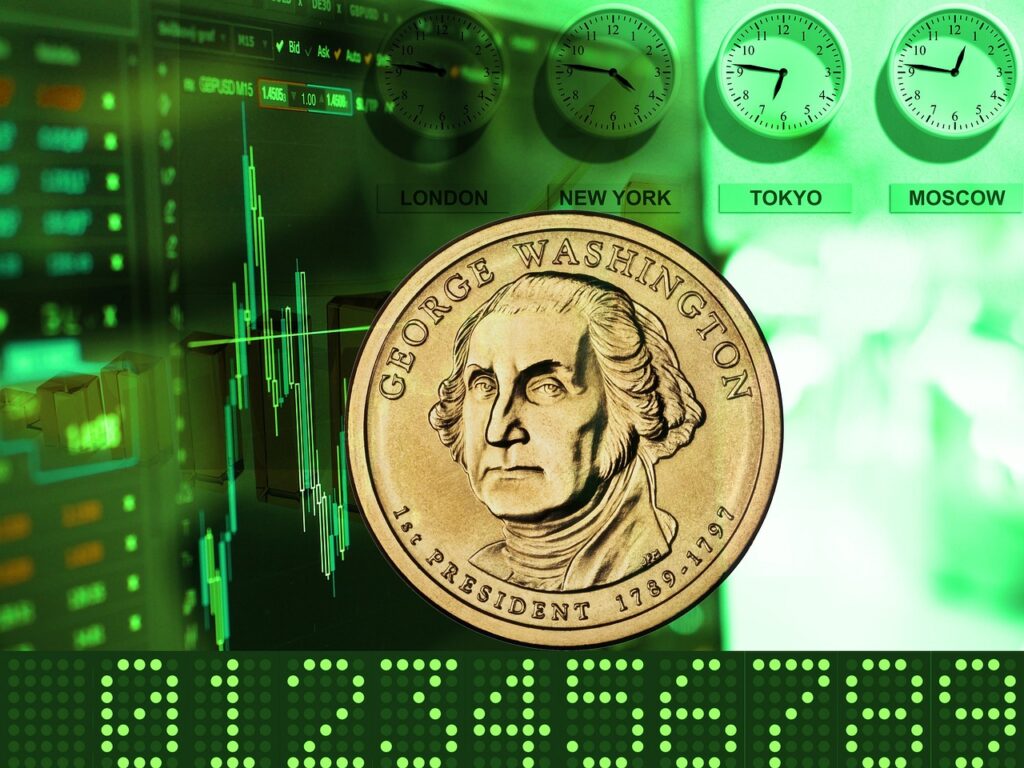

Suspicious Market Activity Linked to Military Conflict
Financial regulators and intelligence analysts are currently investigating a series of highly accurate, high-volume bets placed on military operations as of June 28, 2026, which suggest widespread insider trading. These anomalies, concentrated in derivatives markets immediately preceding geopolitical escalations, indicate that non-public information regarding kinetic military actions is being monetized by private actors. The precision of these trades has prompted international oversight bodies to examine whether state-level security breaches or military intelligence leaks are fueling a clandestine market for war-related speculation.
The Mechanics of Conflict Profiteering
The pattern of betting involves aggressive positioning in commodities, currency pairs, and defense sector equities just hours before specific tactical maneuvers occur. Financial analysts note that the probability of such accurate forecasting through standard algorithmic modeling is statistically negligible. These market movements bear the hallmarks of ‘informed trading,’ where participants utilize advanced knowledge of troop movements or strategic strikes to ensure guaranteed returns. Such activities not only compromise national security but also threaten the integrity of global financial markets by introducing extreme volatility tied to human conflict.
Cambodia’s Campaign to Reclaim Stolen History
Parallel to these financial investigations, the Cambodian government has launched a reinvigorated effort to track and repatriate antiquities looted during decades of civil unrest. Working in conjunction with the U.S. Department of Justice and international museums, officials are utilizing satellite imaging and forensic provenance tracing to locate artifacts currently housed in private collections. Cambodia’s Ministry of Culture and Fine Arts asserts that these items represent the soul of the nation and were systematically removed through illicit networks that often overlap with organized crime syndicates.
The Intersection of Illicit Markets
Experts suggest that the mechanisms used to fund illicit antiquities trade often mirror those used in modern financial manipulation. Dr. Elena Vance, a specialist in conflict economics, notes that the flow of capital from stolen heritage often enters the same offshore financial vehicles used by those betting on military operations. ‘We are seeing a convergence of gray-market activities,’ Vance stated. ‘Whether it is a 10th-century Khmer statue or a high-leverage bet on a regional border conflict, the actors are increasingly utilizing the same encrypted channels to bypass international oversight.’
Data-Driven Insights and Security Implications
Data from global trade monitors indicates a 14% rise in ‘anomaly-based’ trading activity during the first half of 2026. This trend correlates with an increase in the unauthorized movement of cultural artifacts across borders, suggesting that illicit wealth is diversifying its portfolio. For the financial industry, this implies an urgent need for enhanced KYC (Know Your Customer) protocols that account for geopolitical intelligence. Institutional investors are now under pressure to audit their holdings for exposure to assets linked to conflict zones or disputed cultural property.
Looking Toward Future Oversight
The long-term implications for global security are significant as regulators move to tighten reporting requirements for trades involving sensitive geopolitical regions. Observers should watch for new international treaties that mandate transparency in art provenance, which may soon be integrated with financial blockchain tracking to prevent the laundering of illicit funds. As the investigation into the June 28 betting patterns deepens, the focus will likely shift toward identifying the specific individuals—or state-sponsored entities—who possess the capability to turn the chaos of war into a predictable financial instrument. The coming months will prove critical in determining whether international law can effectively curb the weaponization of both financial markets and cultural heritage.