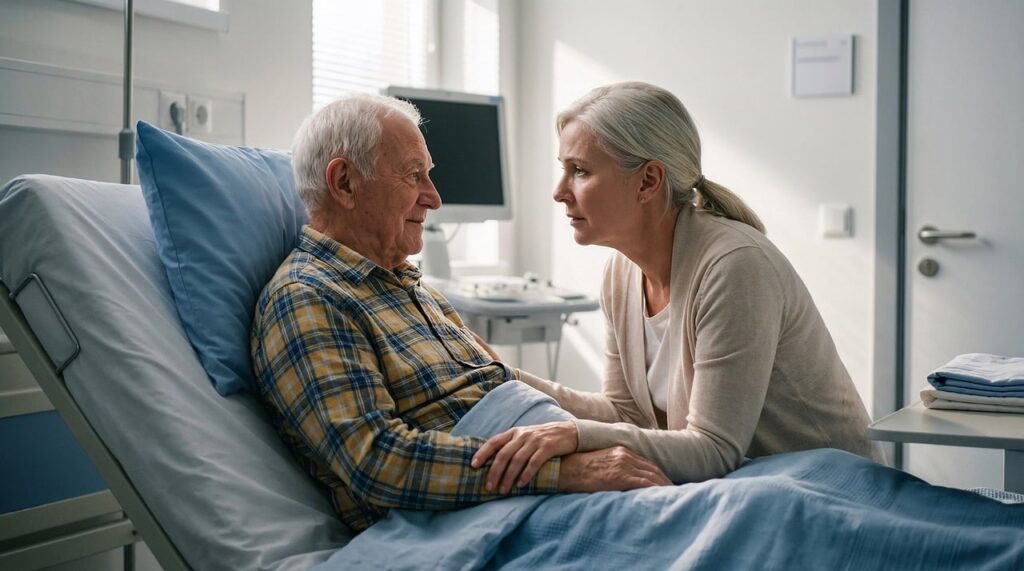

Across the United States, specialized emergency care units known as Geriatric Emergency Departments are fundamentally changing how hospitals treat older adults. Designed specifically to address the complex medical needs of seniors, these units have expanded rapidly in recent years to reduce unnecessary hospital admissions and lower overall healthcare costs. Medical institutions established these dedicated spaces to combat the unique challenges older patients face in traditional, fast-paced emergency rooms.
Traditional emergency departments often struggle to meet the specific physical and cognitive needs of elderly patients. Bright lights, loud noises, and fast-moving environments frequently induce delirium and anxiety among vulnerable seniors. Furthermore, standard triage processes may fail to adequately assess subtle signs of underlying geriatric conditions. Recognizing these systemic shortcomings, healthcare innovators developed a specialized care model focused on comprehensive senior evaluation.
Recent developments show a significant surge in accredited geriatric emergency units nationwide, according to healthcare reports. These specialized departments feature slip-resistant flooring, thicker mattresses to prevent pressure ulcers, and subdued lighting to minimize confusion. Staff members receive advanced training in geriatric medicine, pharmacology, and the identification of elder abuse or neglect. Official data indicates that these multidisciplinary teams successfully identify hidden risks and discharge vulnerable seniors safely back to their homes.
The impact of this specialized care model extends far beyond individual patient comfort. By avoiding unnecessary hospital admissions, these units protect older adults from hospital-acquired infections and deconditioning. Lower hospitalization rates directly translate to reduced financial burdens for both healthcare systems and patients. Industry analysts note that this approach optimizes resource allocation while significantly improving patient satisfaction scores among older demographics.
Observers and healthcare professionals are closely monitoring the continued expansion and accreditation standards of these specialized units. Future developments will likely focus on integrating geriatric emergency protocols into rural and community hospitals lacking dedicated spaces. Stakeholders will also track long-term health outcomes and cost-efficiency metrics to validate the sustainability of the model. As the aging population continues to grow, the healthcare sector views these specialized departments as a critical component of future medical infrastructure.
Disclaimer: This article is published for general news and informational purposes only. While every effort has been made to ensure accuracy, readers are advised to verify important information from official sources. The publisher shall not be responsible for any loss or inconvenience arising from reliance on the information published.