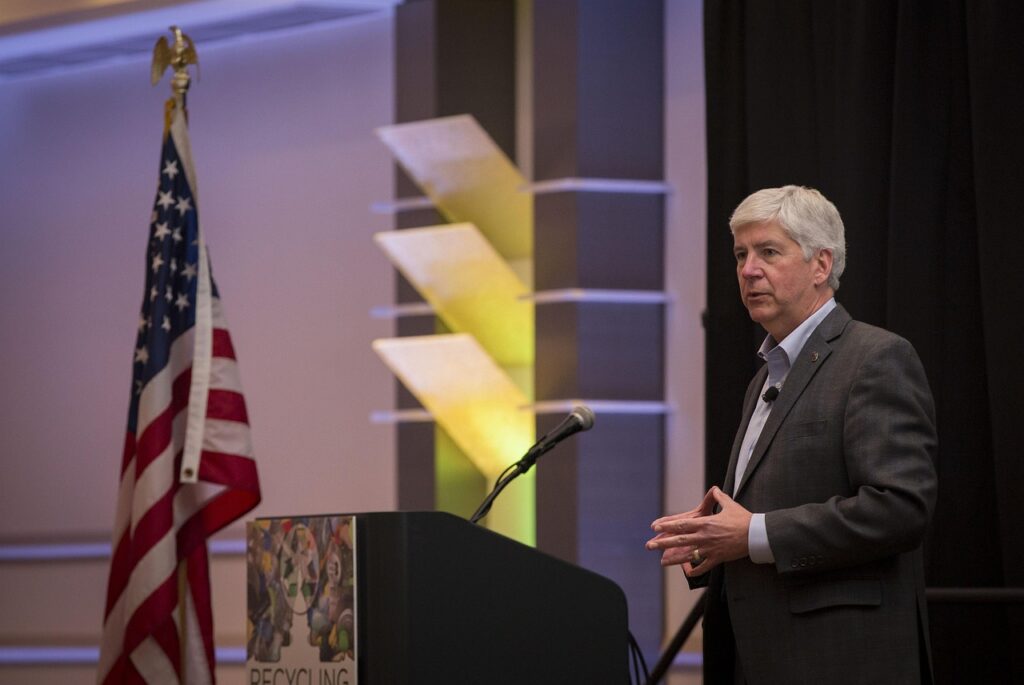

Ohio Governor Mike DeWine publicly labeled the incoming administration’s proposed mass deportation of Haitian migrants as a significant mistake during a recent interview with CBS News. The Republican governor expressed deep concern over the potential repercussions of such policies on regional workforce stability and community integration. This high-profile disagreement highlights growing tension within the Republican party regarding immigration enforcement and economic pragmatism.
Over the past several years, cities such as Springfield, Ohio, have experienced a substantial influx of Haitian immigrants who arrived legally under temporary protected status or humanitarian parole programs. According to official reports, these newcomers have actively revitalized the local workforce, filling critical labor shortages in manufacturing, logistics, and healthcare sectors. Local municipal leaders and business owners have frequently praised the immigrant community for boosting declining population numbers and supporting local commerce.
Recent policy debates have centered heavily on federal immigration enforcement strategies, specifically proposals to accelerate the removal of individuals from specific Caribbean and Central American nations. While federal proponents argue that stricter enforcement restores border integrity, regional leaders emphasize the practical realities on the ground. According to economic analysts, abruptly removing thousands of employed residents would create severe labor deficits for Midwestern businesses that currently rely on this stable workforce.
The unfolding debate carries significant implications for regional economies, state-federal relations, and the broader national immigration discourse. Industry stakeholders and local taxpayers worry that sudden demographic shifts could disrupt public services, strain municipal resources, and destabilize local housing markets. Furthermore, business advocacy groups warn that labor force contractions will ultimately drive up operational costs and hinder productivity across key industrial sectors.
Observers will closely monitor upcoming federal policy announcements and legislative debates to gauge how the new administration intends to balance border security objectives with domestic economic needs. State officials in Ohio plan to continue advocating for federal support and immigration reforms that recognize regional workforce contributions. Meanwhile, local communities remain focused on integration efforts while navigating the uncertainty surrounding future federal enforcement actions.
Disclaimer: This article is published for general news and informational purposes only. While every effort has been made to ensure accuracy, readers are advised to verify important information from official sources. The publisher shall not be responsible for any loss or inconvenience arising from reliance on the information published.