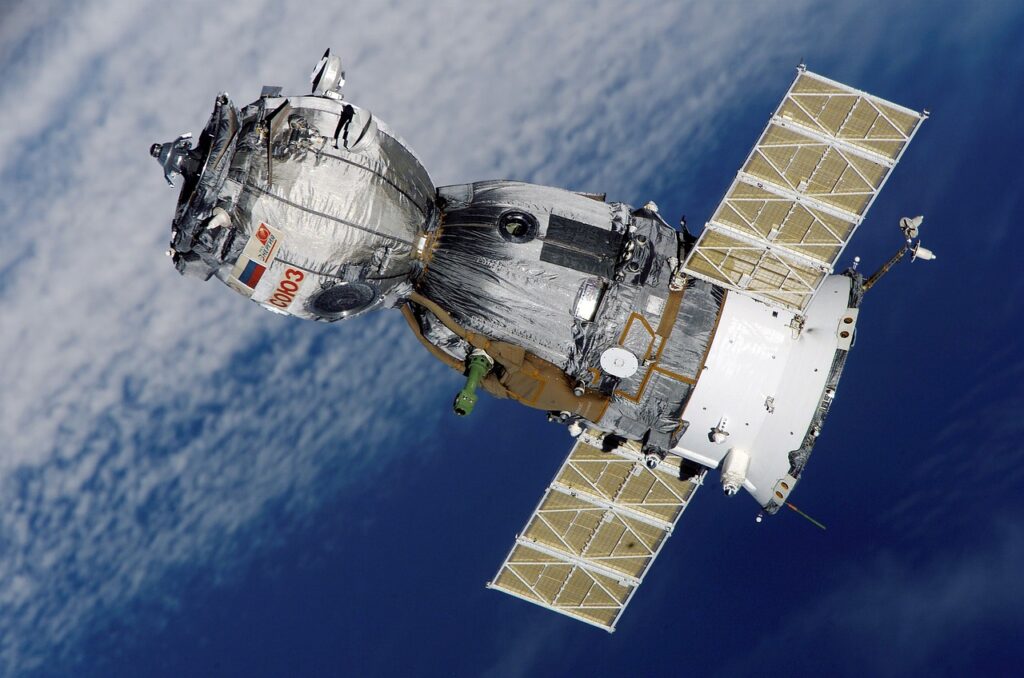

E-commerce and technology giant Amazon has announced an ambitious initiative to deploy a massive constellation of more than 5,000 satellites into low Earth orbit. This strategic move aims to establish a robust telecommunications network designed to deliver high-speed internet connectivity directly to devices worldwide. The venture, internally designated as Project Kuiper, seeks to bridge global connectivity gaps by targeting underserved and remote regions.
According to official reports, the multi-billion-dollar infrastructure project represents one of the most significant corporate investments in space-based communication technology to date. The deployment schedule spans the next decade, with initial test launches slated to begin within the coming months. Industry analysts note that this initiative positions Amazon to compete directly with existing satellite internet providers in the rapidly expanding commercial space market.
Recent developments indicate that Amazon has already secured key regulatory approvals and finalized heavy-lift launch service agreements with multiple aerospace providers. Engineering teams have completed initial prototype testing, validating the core architecture required to link ground-based terminals directly with orbiting hardware. Official data shows that the company is currently constructing specialized manufacturing facilities to accelerate satellite production.
The burgeoning space-based telecom industry holds substantial implications for the global economy and everyday consumers alike. Improved connectivity in rural areas can stimulate local commerce, enhance educational opportunities, and expand digital healthcare access. Furthermore, increased corporate competition in telecommunications often drives down costs and accelerates technological innovation across the sector.
Observers and industry stakeholders will monitor several key milestones as the project progresses toward full deployment. Critical areas to watch include the successful execution of upcoming rocket launches, adherence to regulatory environmental standards, and the eventual commercial rollout pricing. As the infrastructure takes shape, market watchers will evaluate how effectively the network scales to meet projected global demand.
Disclaimer: This article is published for general news and informational purposes only. While every effort has been made to ensure accuracy, readers are advised to verify important information from official sources. The publisher shall not be responsible for any loss or inconvenience arising from reliance on the information published.