
The United States military launched a heavy wave of airstrikes against targets in Iran, marking a significant escalation in the ongoing conflict according to official statements released by U.S. Central Command on Wednesday. The military action, which took place across multiple strategic locations, represents the first resumption of direct offensive operations by American forces in the region following several days of relative calm. Defense officials stated that the operation was executed in direct response to a recent, deadly missile strike targeting U.S. personnel stationed in Jordan.
Background and Context
Geopolitical friction between Washington and Tehran has intensified dramatically over the past several months, fueled by regional proxy conflicts and disputed maritime security in the Middle East. Security analysts note that the latest cycle of violence began when hostile drones targeted infrastructure near a critical Egyptian port, disrupting vital trade routes and raising international alarm. According to reports from regional monitors, these cumulative security breaches have transformed localized skirmishes into a broader, multi-front confrontation.
Latest Developments and Key Facts
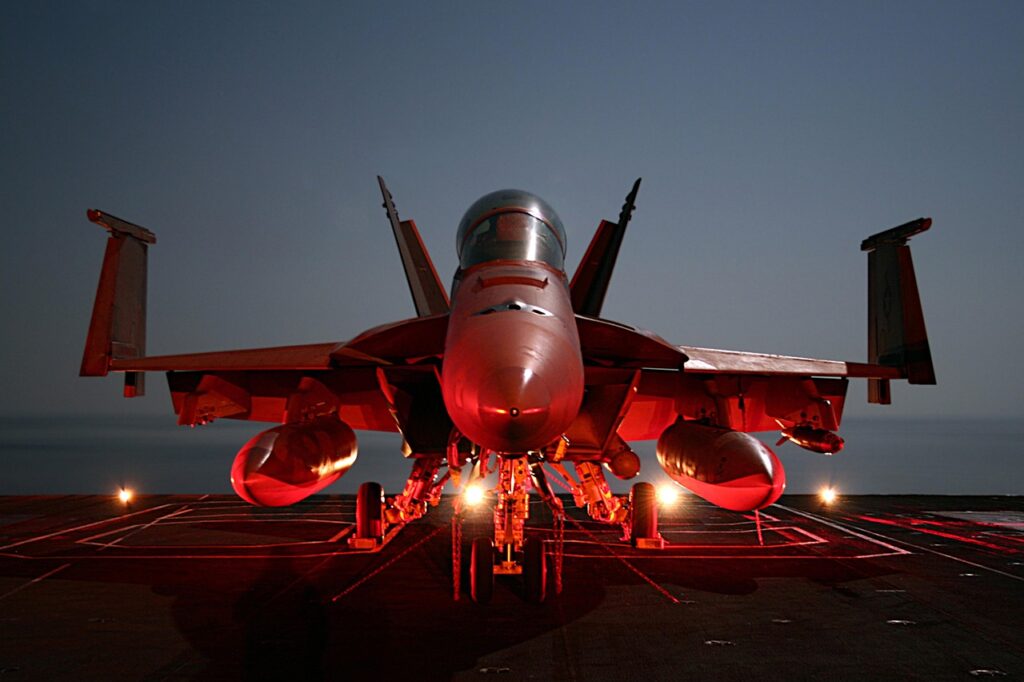
U.S. Central Command published footage showing advanced fighter jets departing from regional airbases to execute the precision strikes. Official data confirms that the coordinated bombardments targeted command-and-control nodes, logistical depots, and missile launch sites associated with Iranian state-backed forces. Independent verification from international observers indicates that secondary explosions followed the initial wave of munitions, suggesting significant damage to targeted military infrastructure.
Impact on the Industry and Global Economy
Global financial markets reacted swiftly to the news of the widened conflict, with crude oil futures experiencing immediate volatility amid fears of prolonged supply chain disruptions. Shipping conglomerates have begun rerouting commercial vessels away from key regional chokepoints to mitigate the risk of collateral damage to maritime cargo. Economic experts warn that sustained hostilities in the region could further exacerbate inflationary pressures through increased energy and transportation costs.
What to Watch Next
International diplomats are currently engaged in urgent talks to prevent the hostilities from snowballing into a full-scale regional war. Observers will closely monitor upcoming statements from the United Nations Security Council and potential retaliatory measures from Tehran in the coming days. Furthermore, defense analysts advise tracking any adjustments to the deployment posture of U.S. naval strike groups stationed in the vicinity.
Disclaimer: This article is published for general news and informational purposes only. While every effort has been made to ensure accuracy, readers are advised to verify important information from official sources. The publisher shall not be responsible for any loss or inconvenience arising from reliance on the information published.