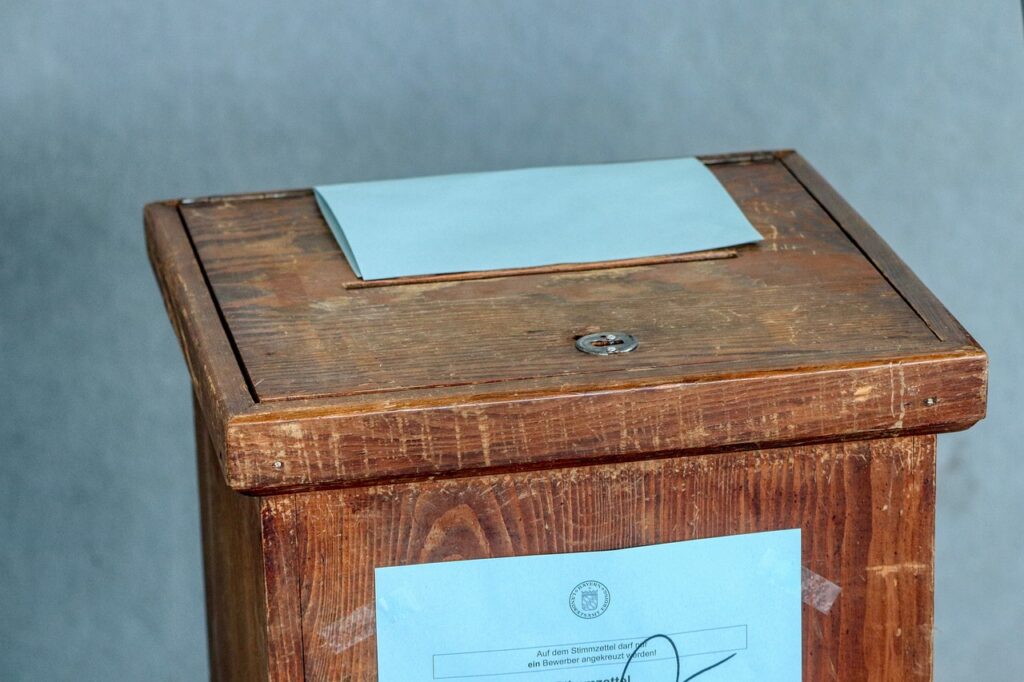

Voters in Louisiana head to the polls this Saturday for a high-stakes Republican Senate runoff, an election that serves as a pivotal test of former President Donald Trump’s enduring influence within the GOP. The contest, which pits establishment-aligned candidates against those firmly entrenched in the MAGA movement, represents the latest chapter in the party’s ongoing struggle to define its ideological future.
Context of the Louisiana Contest
The runoff follows a crowded primary cycle where no candidate secured the necessary threshold for an outright victory. Louisiana’s unique electoral system, which often forces candidates into these late-season head-to-head battles, provides a concentrated environment for national political forces to exert pressure.
Political analysts have long viewed Louisiana as a bellwether for the broader Southern conservative landscape. The outcome this weekend will likely indicate whether Trump’s endorsements remain the primary currency for success in Republican primaries or if voters are gravitating toward more traditional legislative approaches.
Analyzing the Political Dynamics
At the heart of the runoff is a clash between party orthodoxy and populist appeal. Proponents of the populist wing argue that the party must maintain a combative stance against federal bureaucracy, while establishment figures emphasize the need for pragmatic governance to ensure electoral viability in general elections.
Data from recent polling suggests a razor-thin margin, with both campaigns focusing heavily on voter turnout operations. The mobilization of the evangelical base and rural voters in northern parishes is expected to be the deciding factor in the final count.
Independent political strategists note that the runoff has transcended local issues. National political action committees have poured record amounts of funding into the state, turning a regional Senate race into a proxy war for the soul of the Republican Party.
Expert Perspectives and Data
Dr. Elena Rodriguez, a senior political analyst at the Institute for Southern Policy, notes that the influence of presidential endorsements has fluctuated significantly over the last two election cycles. She points to recent data showing that while Trump’s support galvanizes the base, it can simultaneously energize opposition turnout in suburban swing districts.
Recent exit polling data indicates that voters are increasingly prioritized by their alignment with specific legislative agendas rather than party labels alone. This shift marks a departure from the partisan loyalty that defined the previous decade of Louisiana politics.
Implications for the Future
The results of this runoff will dictate the legislative strategy for the Republican caucus in the coming session. A victory for the populist wing could signal a shift toward more aggressive oversight and confrontational policies in the Senate.
Observers are now tracking the post-election rhetoric to see if the losing faction will coalesce behind the winner or if the divisions exposed during this runoff will persist. The degree of unity displayed by the Louisiana GOP in the immediate aftermath of the election will likely set the tone for the upcoming national convention cycle.
As the final ballots are cast, political observers will be watching the suburban voting patterns closely to determine if the party’s current strategy is sustainable for broader electoral success. The long-term impact on the party’s platform and its ability to attract moderate voters remains the primary variable to watch in the months ahead.